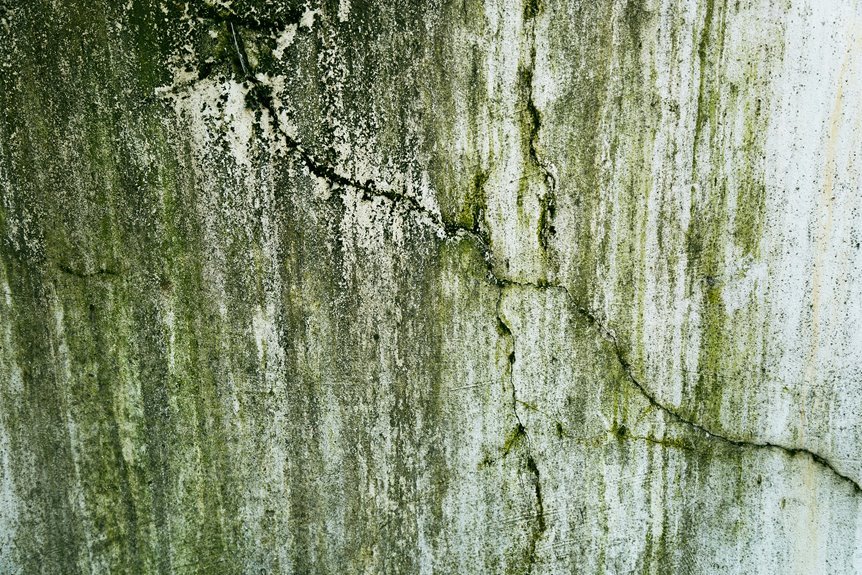
Mold grows on wood when three conditions team up: moisture above 16–20% in the wood, humidity exceeding 60%, and poor airflow that traps dampness. Moisture is the primary factor—it hydrates the wood’s cellulose, creating an ideal breeding ground. Leaks, condensation, and stagnant air all feed this problem. You can stop mold by controlling moisture through ventilation, fixing leaks quickly, and maintaining lower humidity levels. Prevention strategies include these key steps.
Three Conditions That Trigger Mold on Wood
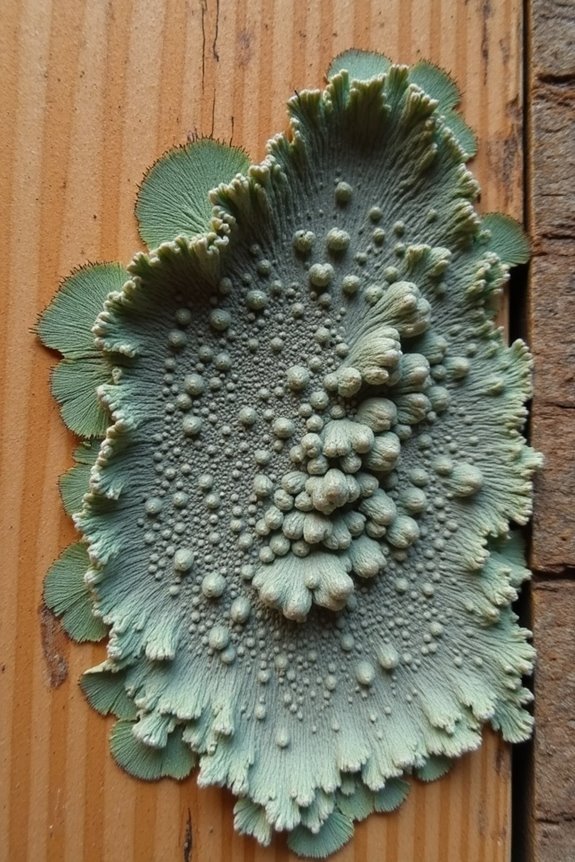
Why does mold seem to thrive on wood while ignoring other materials in your home? The answer lies in three conditions that work together like an unwanted recipe.
Mold thrives on wood through three conditions working together like an unwanted recipe: spores, porous substrate, and moisture.
Mold spores are everywhere—floating invisibly through your air. But they need a welcoming home. Porous wood provides exactly that. Wood’s cellular structure absorbs moisture readily, making it vulnerable in ways concrete or tile aren’t.
Humidity and moisture content matter greatly. When your home’s humidity climbs above 60%, or wood’s moisture content exceeds 16–20%, you’ve created mold’s ideal environment. Leaks, condensation, and poor ventilation trap dampness around wooden surfaces.
Finally, temperature plays a supporting role. Warm, mildly cool conditions accelerate mold colonization when moisture persists. Understanding these three triggers—spores, substrate, and moisture—helps us understand why we’re fighting this battle together.

WATER LEAK DETECTOR detects relative moisture content from leaks and flooding

✅【Accurate & Trusted Measures, Identify Moisture Level】With accurate & trusted performance, Mecurate moisture meter can detect moisture content from wood to building material. A reliable must-have tool for home owners, woodworkers, painters & architects to detect moisture level and spot hidden damage, which would save potential expensive repairs.

🌲【Accurate and fast measurements reveal hidden water leaks】: It has 2 high-precision pins that can penetrate the surface to be tested and quickly measure moisture content to estimate potential moisture increase throughout the home. COCZOW moisture meter is the ideal tool for measuring moisture.
Why Is Moisture the Primary Culprit?
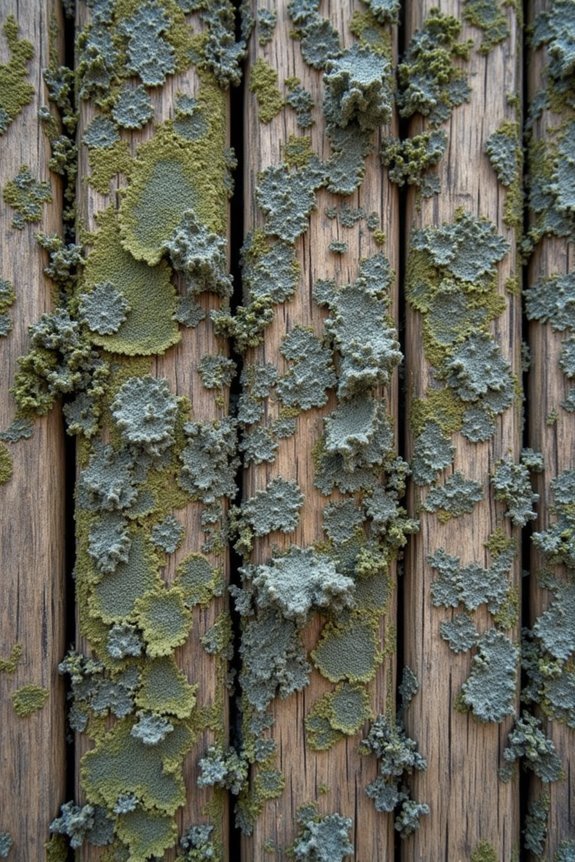
If you’ve ever wondered what truly makes mold tick, here’s the honest answer: moisture is the master key that unlocks everything else.
Here’s why: wood naturally absorbs and retains moisture like a sponge. When humidity climbs above 60% or moisture levels exceed 16–20% in your wood, you’re creating ideal conditions for mold growth. Leaks, condensation, poor ventilation, and water intrusion all feed this problem over time.
Think of it this way—mold spores are everywhere, and cellulose in wood serves as food. But without moisture, nothing happens. Moisture sources create an ideal breeding ground on your wood surface. Stagnant air that prevents drying makes the issue worse.
Control moisture through proper ventilation and humidity management, and you’ve addressed mold’s primary culprit.

3 Smart Modes for Every Space — Whether you need everyday moisture control, faster clothes drying, or continuous protection in damp areas, this dehumidifier has you covered. DEHU mode maintains your ideal living room humidity. DRY mode speeds up drying delicate clothes indoors. CONT mode runs nonstop for basements, crawl spaces, and any area that never seems to dry out. All adjusted with a single tap on the LED touchscreen.
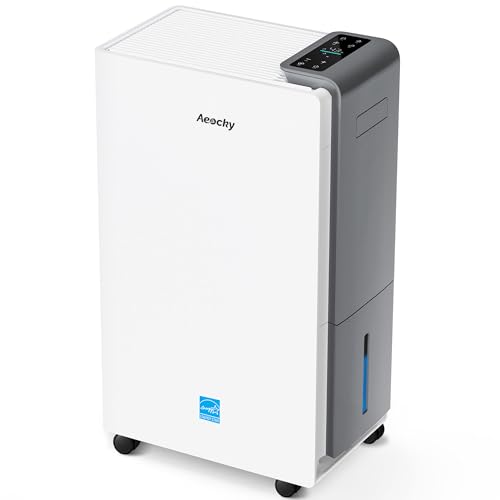
【ENERGY STAR 25 ≠ ENERGY STAR Most Efficient 2025】Don't fall for competitors' word games. Only 2.6% of ENERGY STAR models earn the "Most Efficient 2025", making them exceptionally rare on the market.RHEA-001 is one of the few to truly hold this latest certification. Many brands use misleading words like "Energy Star Efficient 25", "Energy Star 25" or even claim "2026 Most Efficient" (it doesn't exist yet!) to imply standards they haven't met.Choosing them is a risk. With AEOCKY, get verified performance and enjoy authentic, top-tier efficiency.

【Dual-Action Dehumidifier and Aromatherapy】Our dehumidifier removes excess moisture efficiently with semiconductor condensation technology. Enjoy a fresh, fragrant environment while combating humidity—perfect for creating a calming bedroom ambiance or revitalizing your living space.For best results, close all doors and windows during use.
How Do Poor Ventilation and Air Circulation Trap Dampness?
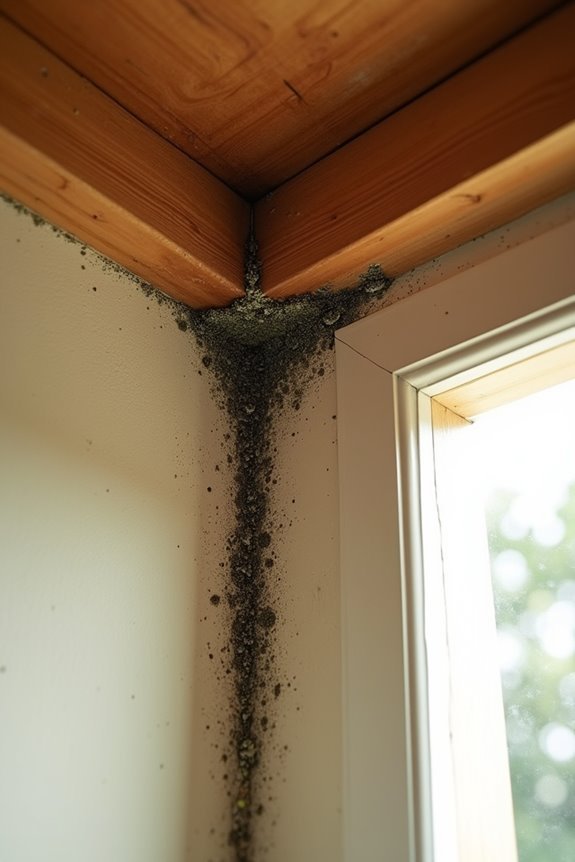
When you close doors and block windows in damp areas like basements or crawl spaces, you’re trapping moisture-laden air that can’t escape—I’ve seen this happen in storage rooms where stagnant humidity lingers near wooden furniture and structural beams. Without fresh air circulating through, that moisture condenses on cool wood surfaces and gets absorbed into the wood’s pores, creating the damp microclimate where mold spores settle and grow. The real problem is that stagnant air prevents evaporation, so the wood stays wet longer than it should, giving fungal growth the extended moisture it needs to establish itself.
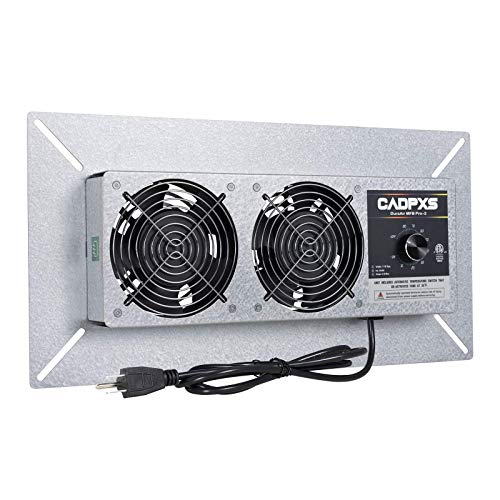
Crawlspace Vent Fan: Air Out. Airflow: 220 CFM. 18" x9" x2”. Dual fans with 6.56 foot grounded power cord. Ventilate a wet crawl space. Exchange the outdoor and indoor air, improve room air quality and balance the humidity

Functions & Applications:Airflow: 540 CFM, ventilation type: air out. The Ventilator fan for damp crawl spaces, basement, attic and garage to reduce humidity. It can increase air circulation to stop condensation and wood rot. Also, used for exhausting vent radon gas, treating wood gases and odors, and preventing them from entering living spaces.

Power ventilates and reduces moisture in crawl spaces through existing passive vents
Stagnant Air and Moisture Buildup
How much do you think about the air moving through your basement or storage shed? I didn’t either—until I noticed fuzzy patches creeping across my stacked lumber. Here’s what I’ve learned: stagnant air traps moisture, creating conditions where mold thrives.
| Factor | Impact | Result |
|---|---|---|
| Poor ventilation | Slows evaporation | Moisture lingers on wood surfaces |
| Humidity above 60% | Favors mold spores | Rapid colonization begins |
| Enclosed spaces | Warm, moist pockets | Accelerated fungal growth |
When air doesn’t circulate, moisture buildup accelerates. Rain, spills, or condensation sit on wood fibers instead of drying. Your enclosed basement or shed becomes a mold sanctuary. The moisture levels climb, humidity rises, and wood surfaces become prime real estate for fungi.
Breaking this cycle requires movement—cross-ventilation that prevents stagnation and keeps humidity under control.
Blocked Airflow Creates Condensation
Why does moisture seem to collect on the coldest surfaces in your home? When ventilation is poor, air becomes stagnant, and water vapor can’t disperse properly. I’ve noticed this happens most in basements and closets—places where air circulation is virtually nonexistent.
Here’s what occurs: warm, humid air meets cooler wood surfaces, and condensation forms as tiny droplets. Without adequate air circulation, these moisture pockets intensify, creating ideal conditions for mold growth. The wood absorbs this trapped moisture, and evaporation slows dramatically in stagnant environments.
The Solution
Increasing airflow through fans, vents, or opened windows significantly reduces humidity levels. Better air circulation lowers condensation risk on wood surfaces and slows mold development considerably. Even modest improvements in ventilation can prevent moisture accumulation before it becomes serious.
Which Wood Types Resist Mold Best?
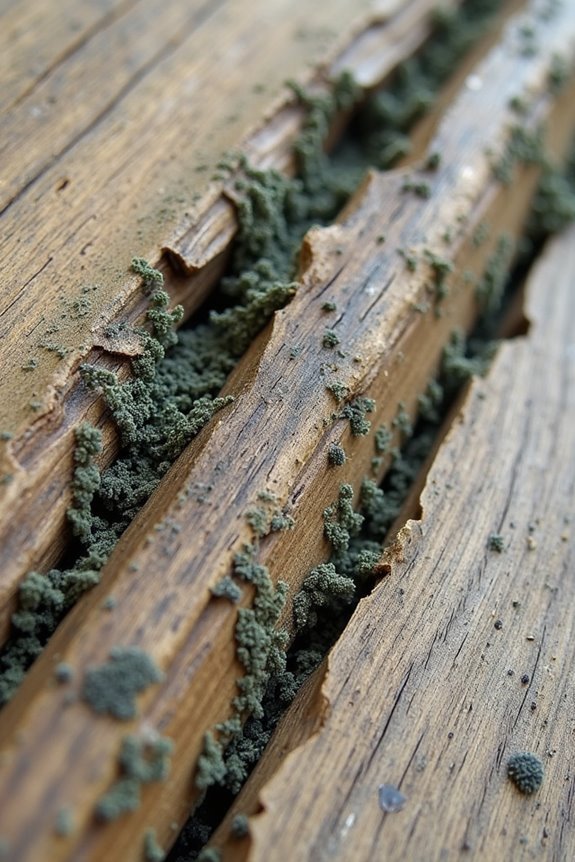
When you’re choosing wood for humid spaces, not all species fight mold equally—some woods outperform others because of their grain structure and built-in defenses. Teak stands out as the top choice here, thanks to its dense grain and natural oils that repel moisture and mold spores before they can settle in. Meanwhile, woods like oak are more porous and vulnerable unless you seal them properly, which is why understanding these durability differences matters when you’re planning a project in a damp environment.

【Powerful Waterproof & Leak-Proof Seal】- This clear waterproof sealant creates a dense, water-based membrane that effectively blocks air, water, and moisture. It delivers reliable leak prevention for any surface, ensuring your roofs, walls, and bathrooms stay dry and protected without altering their appearance. Perfect for both DIY enthusiasts and professionals seeking a trustworthy solution
Seals out water, air, and moisture: Gorilla waterproof sealant provides a flexible rubberized coating that seals out water, air, and moisture to stop and prevent leaks
Helps Prevent Water Damage
Teak’s Natural Moisture Resistance
If you’re serious about preventing mold on wood, teak deserves your attention—it’s nature’s built-in defense system against the moisture that fungi crave.
I’ve found that teak’s dense grain and remarkable oil content create an environment where mold simply can’t flourish. Unlike softer woods, teak’s tight structure limits moisture penetration, which means damp conditions won’t easily compromise your wood furniture, whether indoors or outside.
| Feature | Benefit | Impact on Mold |
|---|---|---|
| High Oil Content | Natural water barrier | Repels moisture |
| Dense Grain | Limits water absorption | Reduces fungal growth |
| Quick Drying | Prevents dampness buildup | Inhibits proliferation |
| Indoor Humidity Resistance | Maintains structural integrity | Superior protection |
The natural oils act as a protective coating, helping your pieces dry faster and resist the humid conditions where mold typically thrives. You’re getting wood that actively fights wood mold growth rather than inviting it.
Comparing Wood Durability Standards
How you choose your wood matters far more than you might think—different species have vastly different abilities to stand up against mold and moisture.
The Grain Structure Difference
I’ve learned that closed-grain woods like teak offer superior mold resistance compared to open-grain options. Teak’s dense cellular structure repels moisture, while oak’s open grain absorbs water readily, creating ideal conditions for fungal growth. This fundamental difference shapes your mold prevention strategy considerably.
What Makes Woods Durable
Wood durability hinges on two factors: natural oils and proper sealing. Teak contains inherent oils that deter moisture absorption, whereas mahogany requires consistent finish maintenance and airflow. When you seal your wood properly, you’re closing those vulnerable grain pathways that mold exploits. The investment in quality finishing is your foundation for long-term protection against moisture-related damage.
Temperature, Dust, and Light: Hidden Mold Accelerators
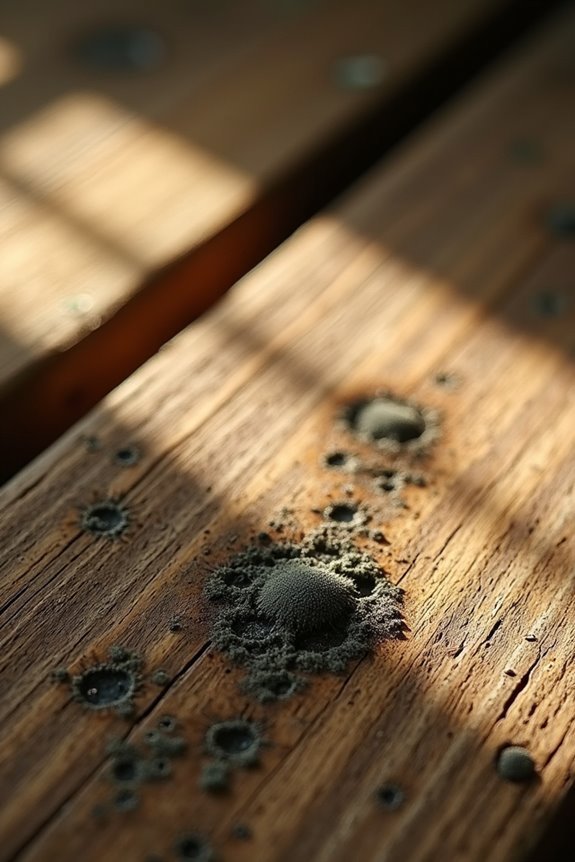
Temperature accelerates everything. Warm conditions speed up fungal metabolism, making mold growth happen faster. When you combine heat with dust accumulation, you’re feeding the spores.
Dust isn’t just dirty—it’s fuel. Organic particles settle on wood surfaces, providing nutrients that enable quicker colonization.
Light matters more than you’d think. Dark corners and shaded areas indoors become mold havens because UV exposure actually inhibits growth. Temperature fluctuations create condensation in poorly ventilated spaces, forming micro-wet pockets where mold thrives.
Your stored or unfinished wood in warm, dusty, dim conditions represents peak mold territory. Clean, well-lit, ventilated spaces tell a different story.

CLEANSE AWAY VIRUSES AND BACTERIA from around eyes, nose and mouth to avoid infection

CREATES AN INVISIBLE SHIELD ON TREATED SURFACES that inhibits the growth of microorganisms and helps prevent the growth and spread of bacteria for up to 3 months.

CLEANS WOOD SURFACES - Our cutting board cleaner is specifically formulated to gently and effectively clean food, oils and fats from wood surfaces that include butcher blocks and countertops.
Spot Mold Before It Spreads
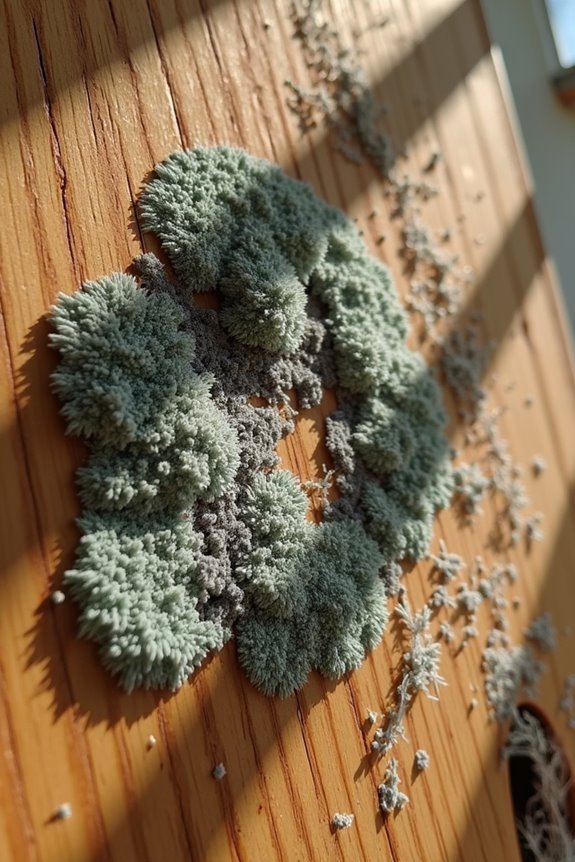
When you catch mold in its earliest stages, you’re stopping a small problem from becoming a major issue. Musty odors and tiny discolored specks are your warning signs—they enlarge into circular patches following the grain or moisture-accumulation points. Surface mold appears fuzzy, powdery, or smudgy in basements, under sinks, or near leaks.
| Mold Color | Likely Type | Action Required |
|---|---|---|
| White spots | Common molds | Immediate cleaning |
| Green patches | Growth stage | Ventilation boost |
| Black colonies | Advanced spread | Professional help |
Quick intervention matters. Dry the area immediately, improve ventilation, and clean with mild soap or vinegar. This prevents rapid expansion across wood surfaces and protects your home from humidity damage.

WOOD MOISTURE METER: Prevent water and moisture build-up with our humidity reader. It can quickly determine what level of remediation is needed to keep your family safe. High levels of dampness that go untreated can cause hazardous living conditions.

Rechargeable Moisture Meter: This moisture meter features a built-in rechargeable battery with a Type-C charging cable, no need for frequent battery replacement, which is more convenient and more environmentally friendly. And the spherical probe design ensures non-destructive measurements and enables moisture measurements at depths of 20 to 100 mm.

High Accurate Measurement: The wood moisture meter could help you to measure wood by sensitive pins at the range of 0-99.9% and the accuracy is less than ±0.5%.
Your First Line of Defense: Moisture Control Strategies
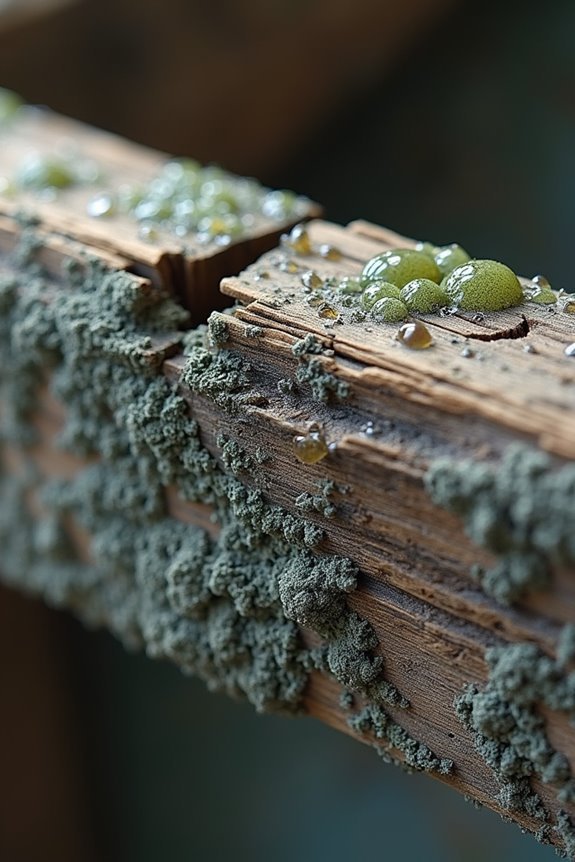
The most effective way to stop mold before it takes hold is controlling moisture—and it’s straightforward. Keeping humidity below 60% and maintaining air circulation are your strongest defenses against mold growth.
Start with these basics:
- Fix leaks immediately; they’re moisture control’s biggest enemy
- Maintain ventilation in storage areas and crawl spaces
- Stack lumber with stickers to allow airflow during the drying process
- Cover wood from rain while letting breezes flow underneath
Your wood moisture content stays low when you manage humidity and prevent condensation. Kiln-drying after milling reduces moisture retention effectively. These strategies work together—good ventilation combined with leak prevention creates an environment where mold simply can’t establish itself. You’re building defenses, not fighting battles.

【Compact Size, Big Efficiency】 The upgraded 2025 Waykar dehumidifier features cutting-edge rotary compressor technology. It’s more compact but still powerful, capable of removing up to 34 pints of moisture per day (at 95℉, 90% RH), ideal for spaces up to 2,000 sq. ft. such as living rooms, basements, bedrooms, and offices. The adjustable humidity range from 30% to 80% helps you easily maintain the ideal indoor humidity

1,500 SQ. FT. DEHUMIDIFIER – Removes up to 22 pints of moisture per day with an adjustable humidity setting from 35% to 85%. Perfect for use in basement, bathroom, bedroom, office, kitchen, cellar, or crawlspace. Maintain a healthy 45%-55% humidity range.

Effective Moisture Control for Home: OWAAE dehumidifier is designed to reduce excess moisture and help maintain comfortable humidity levels in everyday living spaces. It works best in moderate-to-high humidity environments, improve overall air comfort at home