
Yes, you can sand engineered wood flooring safely—but here’s the catch: your wear layer thickness is everything. If it’s 3mm or thicker, you’re probably fine for one or two refinishes. Anything under 2mm? Skip it entirely. The real danger is sanding too deep and hitting the plywood core beneath, which means permanent damage. Before you touch that sander, check your product specs with your supplier. Understanding what lies beneath your floors changes everything about what’s actually possible.
How Engineered Wood Flooring Is Constructed
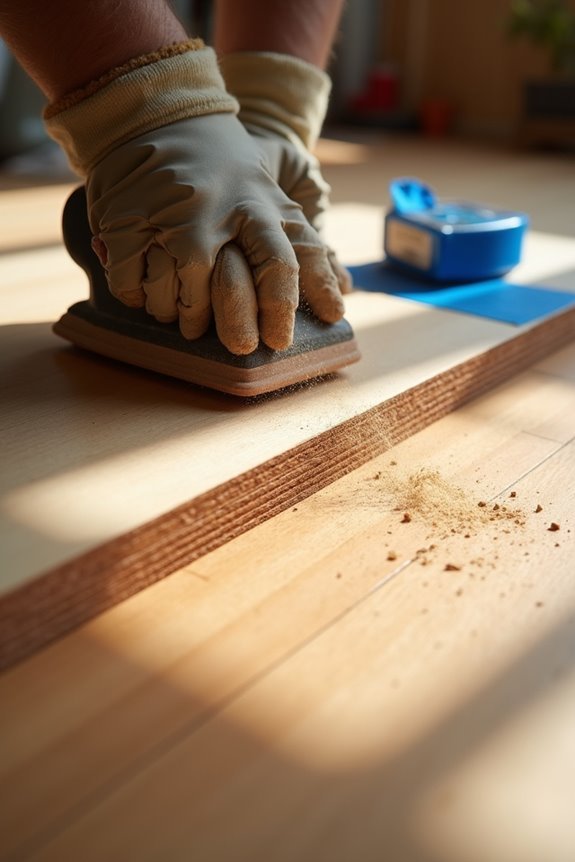
Before you grab your sander and get to work, it’s worth understanding what’s actually underneath that beautiful wood surface you’re looking at. Engineered wood flooring isn’t solid wood—it’s a layered construction of materials. The top layer, called the wear layer or veneer, is real wood ranging from 2 to 6 millimeters thick. Below that sits a plywood core that provides stability and prevents warping. Here’s an important detail: only that top wear layer can be sanded. If you sand too deep, you’ll hit the plywood core, and that’s irreversible damage. Your veneer thickness determines how many refinishing passes you can safely make—typically one to five times, depending on how thick that wear layer actually is.

✌Ultimate Floor Protection from Daily Scratches - Tired of seeing unsightly scratches and scuff marks on your beautiful hardwood or tile floors? Our premium felt furniture pads act as a robust barrier, effectively preventing costly floor damage caused by daily chair movements or accidental bumps. Perfect for homes with kids or pets, these chair leg floor protectors keep your surfaces pristine, eliminating the worry of dents and scratches on your beloved flooring investment.

Two 9" Pieces of 5" x 5/8" Walnut Prefinished Engineered Hardwood Flooring
✌Ultimate Floor Protection from Daily Scratches - Tired of seeing unsightly scratches and scuff marks on your beautiful hardwood or tile floors? Our premium felt furniture pads act as a robust barrier, effectively preventing costly floor damage caused by daily chair movements or accidental bumps. Perfect for homes with kids or pets, these chair leg floor protectors keep your surfaces pristine, eliminating the worry of dents and scratches on your beloved flooring investment.
Why Wear Layer Thickness Is the Critical Factor
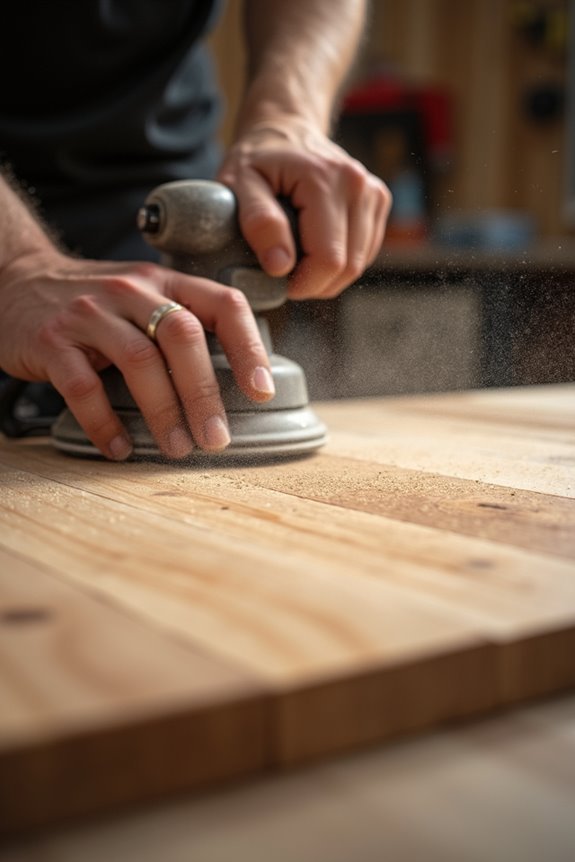
The wear layer—that thin protective veneer on top of engineered wood—is what determines whether you can actually sand and refinish your floors without causing permanent damage. I’ve found that knowing this thickness before you pick up a sander is absolutely necessary, since different wear layers have completely different limits for how many times they can be refinished and how aggressively you can sand them. Let me walk you through what thickness means for your specific flooring so you can make a safe, informed decision.

PREMIUM REAL WOOD VENEER: Crafted from extra clean "A" grade Red Oak wood veneer strips, this high-quality veneer edging offers a beautiful, natural wood finish. Ideal for enhancing cabinetry, furniture, shelving, crafts, and more, these wood veneer strips provide durability and an authentic look that seamlessly blends with your projects.
PREMIUM REAL WOOD VENEER: Crafted from extra clean "A" grade Red Oak wood veneer strips, this high-quality veneer edging offers a beautiful, natural wood finish. Ideal for enhancing cabinetry, furniture, shelving, crafts, and more, these wood veneer strips provide durability and an authentic look that seamlessly blends with your projects.
PREMIUM REAL WOOD VENEER: Crafted from extra clean "A" grade Red Oak wood veneer strips, this high-quality veneer edging offers a beautiful, natural wood finish. Ideal for enhancing cabinetry, furniture, shelving, crafts, and more, these wood veneer strips provide durability and an authentic look that seamlessly blends with your projects.
Determining Safe Sanding Thickness
How do you know if your engineered wood flooring can actually handle sanding? The answer lies in understanding your wear layer thickness—the protective wood veneer on top. This measurement determines everything about sanding safety and core protection for engineered wood.
Check Your Specifications
Your first step? Find your product documentation or contact your supplier. They’ll tell you the exact wear layer thickness, which typically ranges from 2mm to 6mm.
Know the Safety Limits
Wear layers under 2mm aren’t recommended for sanding—the risk of penetrating to the plywood core is too high. Layers measuring 2mm or thicker respond better to careful sanding. Thicker layers (3–6mm) give you multiple refinishing opportunities, while thinner ones demand extra caution. Understanding this measurement protects your flooring investment.
Refinishing Frequency Limitations
Since your engineered flooring isn’t infinitely renewable like solid wood, you’ve got a real limit on how many times you can sand and refinish it—and that limit depends almost entirely on your wear layer thickness. Here’s what I’ve learned: a 3 mm wear layer typically allows one full refinish, while 4–6 mm gives you multiple opportunities. Anything under 2 mm? That’s basically off-limits for sanding. The catch is that each refinishing reduces that wear layer further, making refinishing frequency finite and product-dependent. So before you plan any sanding projects with your engineered wood flooring, check your manufacturer’s specifications or talk to a professional. Knowing your sanding limits upfront saves you from costly mistakes down the road.
Can You Sand Engineered Wood Safely? The Short Answer
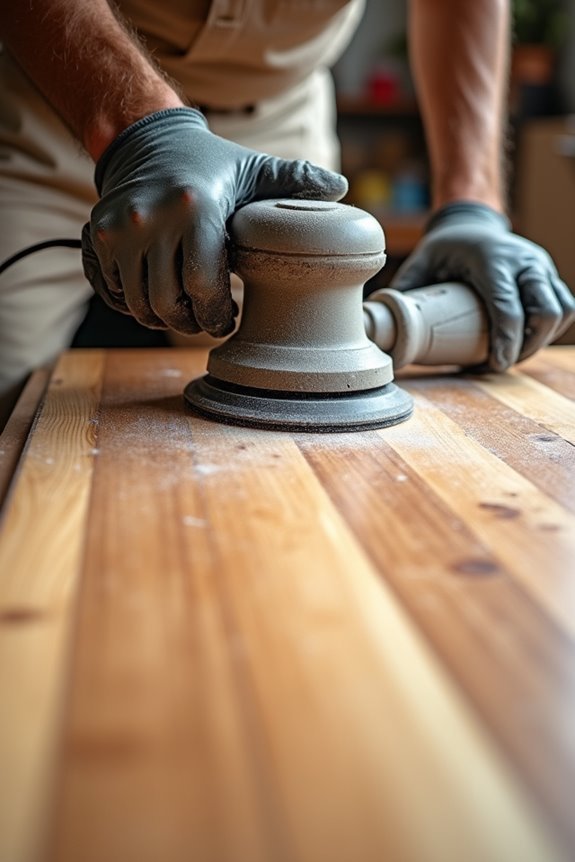
I’ll be honest—you *can* sand engineered wood flooring, but whether you *should* depends entirely on your wear layer thickness, which I’ll explain in a moment. The short answer is yes, it’s possible, though it requires more caution than sanding solid hardwood because one mistake can expose the plywood core underneath, and that’s a problem you can’t fix cosmetically. Your wear layer thickness is the gatekeeper here; it determines not just whether sanding is safe, but how many times you can refinish your floor over its lifetime.

PROFESSIONAL WOOD FLOOR RESTORER: Restores wood floors, leaving them with a beautiful glossy finish

【Smooth and Durable Coating】 Forms a high-solids protective layer that withstands daily wear and tear. Protects your floors from foot traffic, furniture movement, and dirt buildup. Enjoy long-lasting shine with minimal maintenance.

𝐂𝐨𝐦𝐩𝐥𝐞𝐭𝐞 𝐖𝐨𝐨𝐝 𝐒𝐜𝐫𝐚𝐭𝐜𝐡 𝐑𝐞𝐩𝐚𝐢𝐫 𝐖𝐚𝐱 𝐊𝐢𝐭: This professional vinyl floor repair kit includes a heat pen, 11 wax blocks, 8 dual tip wood markers, and essential wood repair tools for repairing scratches, dents, holes, and damage on laminate flooring, wood furniture, and other wooden surfaces
Wear Layer Thickness Matters
The wear layer thickness is your flooring’s make-or-break factor. I’ve learned this matters tremendously when deciding if engineered wood floors can handle sanding. Here’s what you’re working with:
- Under 2 mm—skip sanding entirely
- 2-3 mm—proceed cautiously with professional help
- 3 mm or thicker—usually safe for one or two refinishes
- Unknown thickness—check specs before proceeding
Sand beyond this protective layer, and you’ll hit the plywood core underneath. That’s irreversible damage you can’t undo. Before touching your sander, contact your supplier or dig into product documentation. Knowing your wear layer thickness separates a successful refinish from a costly mistake.
Yes, But With Caution
So, knowing your wear layer thickness is half the battle—now comes the honest truth: yes, you can sand engineered wood flooring, but it’s not a free pass. I’ve seen homeowners confidently grab their sanders, only to realize mid-project they’ve breached the veneer into the plywood core—and that’s not fixable.
Here’s what matters: a 2 mm wear layer is risky territory. At 3 mm or thicker, you’ve got room for light sanding and refinishing with careful attention. Think of your veneer like a protective shield; once you penetrate it, the damage is permanent.
The key? Know your specific flooring specs before touching sandpaper. One or two refinishing cycles are typically possible with proper veneer thickness. Verify everything first—your future floors depend on it.
Check Your Wear Layer Before You Start
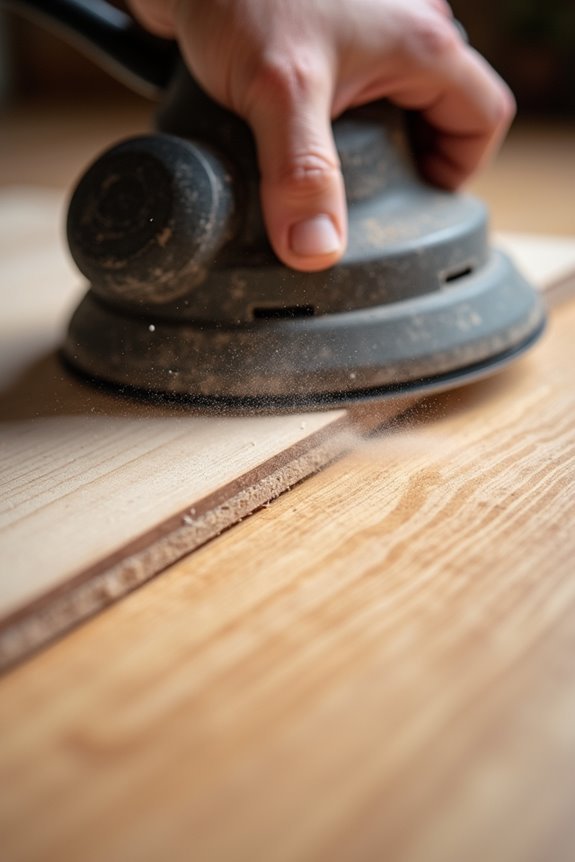
Before you grab your sander, you’ll need to know one essential detail: how thick is your wear layer?
Before you grab your sander, you’ll need to know one essential detail: how thick is your wear layer?
I learned this the hard way. The wear layer thickness determines everything about your refinishing project. Here’s what matters:
- 2mm or thicker – You can sand safely with caution
- Under 2mm – Sanding isn’t ideal and risks exposing the plywood core
- 3-6mm veneer – Typically allows one or two refinishing cycles
- Unknown thickness – Check product specs or contact your supplier immediately
Finding this information protects your investment. Sanding too aggressively penetrates through the wear layer, causing cosmetic damage that’s irreversible. Before starting any sanding project, grab your documentation or make that phone call. Knowing your floor’s specifications means the difference between a successful refinishing and regrettable mistakes we’d rather avoid.

High-Gloss Care for Wood Floors and Furniture Helps enhance shine and reduce the appearance of fine scratches on wood surfaces. Forms a protective finish that helps resist wear, scuffs, moisture, dust, and everyday stains. Leaves a smooth, non-greasy surface designed to maintain good traction and make cleaning easier.

P320 Grit Powerhouse Medium-Aggressive Cut: Strikes the perfect balance—remove rust, old paint, or oxidation without gouging surfaces. Auto Body Pro’s Choice: Prep metal for welding, feather-edge scratches, or scuff primer for repainting.

60 grit 19" diameter sand screen disc for floor machines. 10 per case.
Signs Your Engineered Floor Isn’t Suitable for Sanding
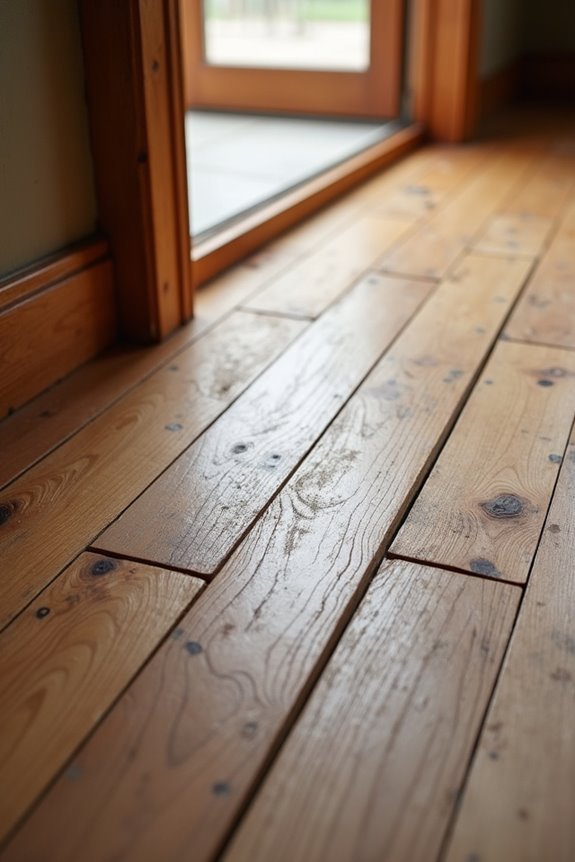
Now that you’ve checked your wear layer thickness, it’s time to look for other red flags that might mean sanding isn’t a good option at all.
Beyond wear layer thickness, watch for moisture damage, delamination, or structural issues—these disqualify sanding entirely. I’ve seen floors where water damage weakened the bond between layers, making sanding dangerous and replacement necessary instead.
What Makes Flooring Unsandable:
- Veneer thickness under 3 mm limits you to one light pass, if any
- Wear layer near 2 mm requires professional assessment; sanding becomes risky
- Visible separation between layers indicates delamination
- Soft spots or buckling suggest moisture problems
- Cupping or warping means structural compromise
Your sanding suitability depends on these combined factors. When thickness limits and damage signs appear together, replacement beats refinishing every time.

Free Utitlity Knife with every roll! Puncture, dirt, paint, chemical and pet resistant protection with removable adhesive for hardwood etc

Premium European Oak Construction: 6” wide samples from Flooret’s Silvan Engineered Hardwood Collection—crafted from sustainably sourced European white oak for timeless character and strength.

Top Picks, One Kit: Features the bestselling colors from the Silvan Hardwood 6" Sample Kit—curated to help you find your perfect floor faster. The kit contains cut samples of Anza, Balboa, Evern, Lyon and Norde Signature that are crafted from sustainably sourced European white oak for timeless character and strength.
Scratches, Dents, and Finishes: What Sanding Restores
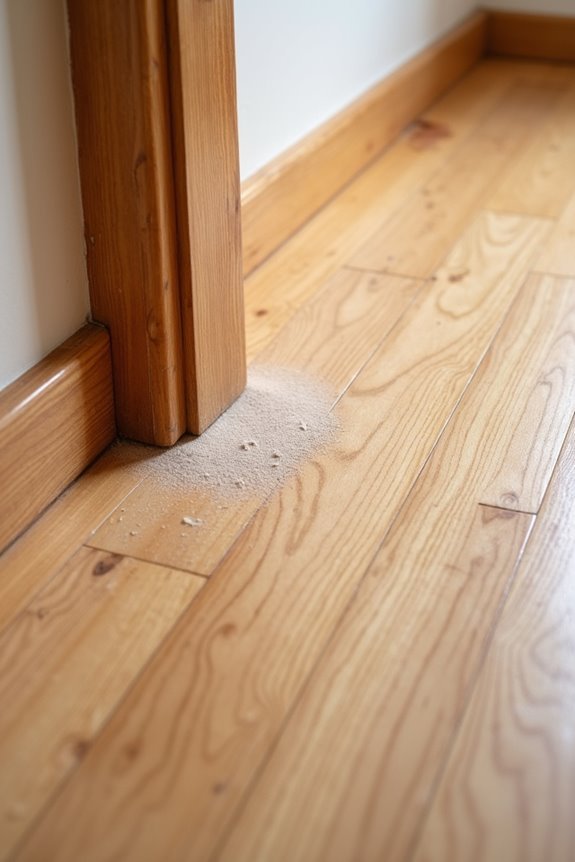
When’s the last time you looked closely at your engineered floor and wondered if those surface scratches could actually disappear?
I’ll tell you what sanding can realistically restore for you:
- Light scratches and surface marks vanish through gentle buffing when your wear layer measures 2mm or thicker
- Dull finishes regain their luster after sanding removes the old, tired topcoat
- Minor dents flatten out with careful sanding, though deep ones require aggressive techniques
- The overall appearance changes when you apply fresh stain or finish in the grain direction
Here’s the reality: your veneer thickness determines everything. Thicker wear layers—ideally 3mm or more—give you freedom to sand and refinish multiple times. Thinner veneers demand caution; one aggressive pass risks breaching the core. I’ve learned that knowing your floor’s specifications before starting saves frustration and protects your investment.

Genuine French Oak Construction: Crafted from authentic French Oak, offering natural elegance and character.
✌Ultimate Floor Protection from Daily Scratches - Tired of seeing unsightly scratches and scuff marks on your beautiful hardwood or tile floors? Our premium felt furniture pads act as a robust barrier, effectively preventing costly floor damage caused by daily chair movements or accidental bumps. Perfect for homes with kids or pets, these chair leg floor protectors keep your surfaces pristine, eliminating the worry of dents and scratches on your beloved flooring investment.

Interlocking & No-Glue - With user-friendly interlocking system, tiles can be easily installed and removed without any tools. Innovative interlocking buckle eliminates the hassle of using or cleaning glue compared to peel and stick floor tiles.
Refinishing Limits: How Many Times Before You Hit Plywood
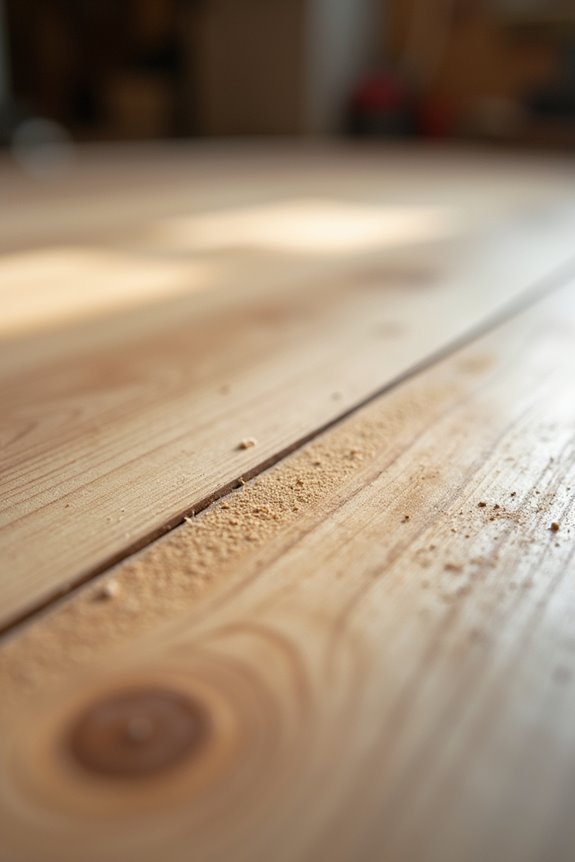
The honest truth about refinishing engineered wood comes down to one measurement: your wear layer thickness. I can tell you that floors with thicker wear layers—around 3 mm or more—might handle one or even two sandings, while thinner veneers under 2 mm are basically off-limits for any serious refinishing work. Before you break out the sander, you’ll want to verify your floor’s specifications with the manufacturer, because once you sand through that protective veneer, you’re staring at exposed plywood with no way back.

Maple Veneer: Made from natural maple wood, offering a smooth, lightweight, and flexible finish with beautiful grain patterns.
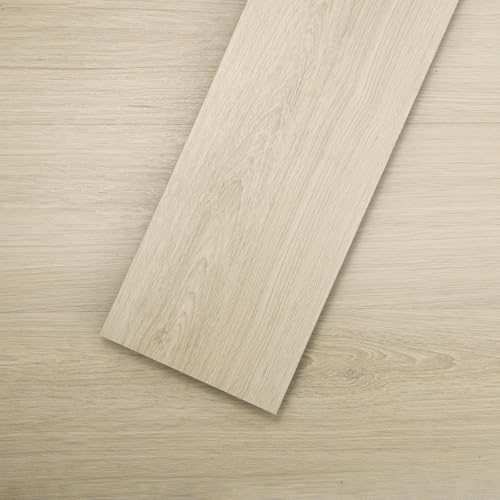
Authentic Wood Look: Desert Sand Oak is bright, fresh and delicate. Soft tones run through this flooring, giving it depth and movement; This oak-look vinyl plank flooring brings a timeless warmth and elegance to any room

Stylish - Authentic wood looking and grain texture, adding timeless feature for your home!
Wear Layer Thickness Limits
One of the biggest questions I get asked is: “How many times can I actually sand this floor?” And honestly, that answer depends almost entirely on how thick your wear layer is—that protective veneer of real wood sitting on top of the plywood base.
Here’s what you’re working with:
- 2mm or thinner: Skip refinishing entirely; you’ll hit plywood
- Around 3mm: One light sanding, maybe two if you’re careful
- 4–6mm: Multiple refinishing cycles possible, though each sanding reduces veneer thickness
- Unknown thickness: Check your product specs immediately
Your wear layer thickness directly determines refinishing feasibility. Thicker veneers give you flexibility; thinner ones limit your options significantly. Before you rent that sander, contact your supplier. Knowing your exact measurements prevents costly mistakes and keeps your floor refinishable for years.
Refinishing Cycle Count Guidelines
How many times you can actually refinish your engineered floor comes down to simple math: veneer thickness minus the amount you sand away each time.
I’ve learned that thicker veneers—those 4 to 6 millimeters—typically allow 2–3 refinishing cycles when professionals work conservatively. A 3-millimeter wear layer permits about 1–2 refinishes, while anything thinner than 2 millimeters leaves you with one light refinish at most, or possibly none.
The real risk? Sanding too aggressively and breaching that protective wear layer, exposing the plywood core beneath. That ends your refinishing options.
Consider your floor’s condition too. Moisture damage, delamination, or deep dents can eliminate refinishing potential entirely, even with a thick veneer. Always check product specifications before planning your refinishing cycle—knowing your exact veneer thickness prevents costly mistakes.
How to Sand Without Hitting the Plywood Core
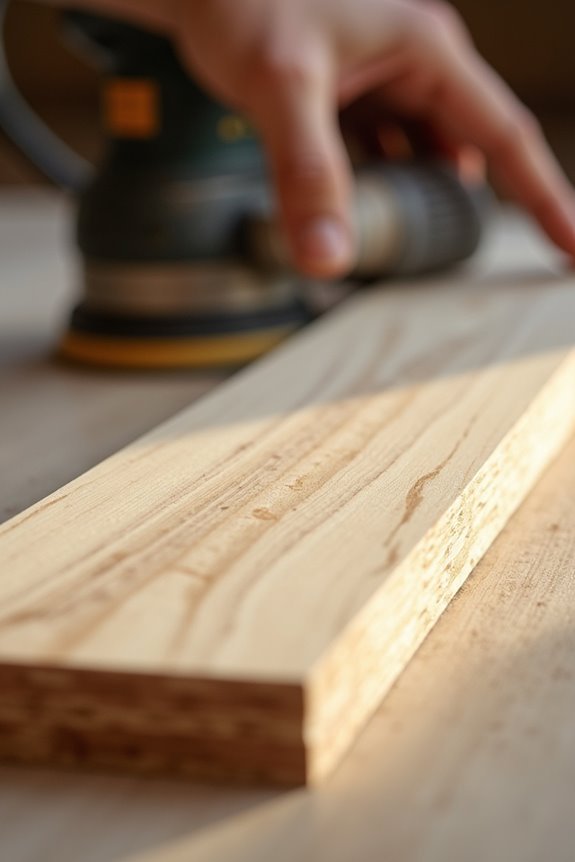
It’s your boundary line between success and disaster. The wear layer—typically 2–6 mm thick—is the only part you can safely sand. Go deeper, and you’ll hit the plywood core, ruining your floors permanently.
The wear layer is your floor’s critical boundary—sand beyond its 2–6 mm thickness and you’ll destroy the plywood core permanently.
Here’s how to protect that layer:
- Identify your wear layer thickness before touching sandpaper to wood
- Start with coarse grit on top surfaces, stopping before reaching the lower boundary
- Use edge tools for near-wall areas to prevent aggressive penetration
- Consult product specs or a professional if you’re uncertain about thickness
Measuring twice prevents sanding mistakes. When in doubt, ask someone experienced rather than risking core exposure. That wear layer deserves respect.

WOOD REPAIR KIT INCLUDES: Our wood floor scratch repair kit comes with 18 colors of wood fillers, 8 colors of furniture markers touch up, 7 brushes, 2 plastic scrapers, 1 wood putty, 1 sandpaper, 1 pair of glove and 1 color chart

Stylish - Authentic wood looking and grain texture, adding timeless feature for your home!

Comprehensive Care: Our all-in-one kit includes Polish and Cleaner, Scratch Removers for dark and light wood, and four toned wax Fill Sticks, suitable for a variety of finishes and veneers.
Why Moisture Damage Makes Sanding Risky
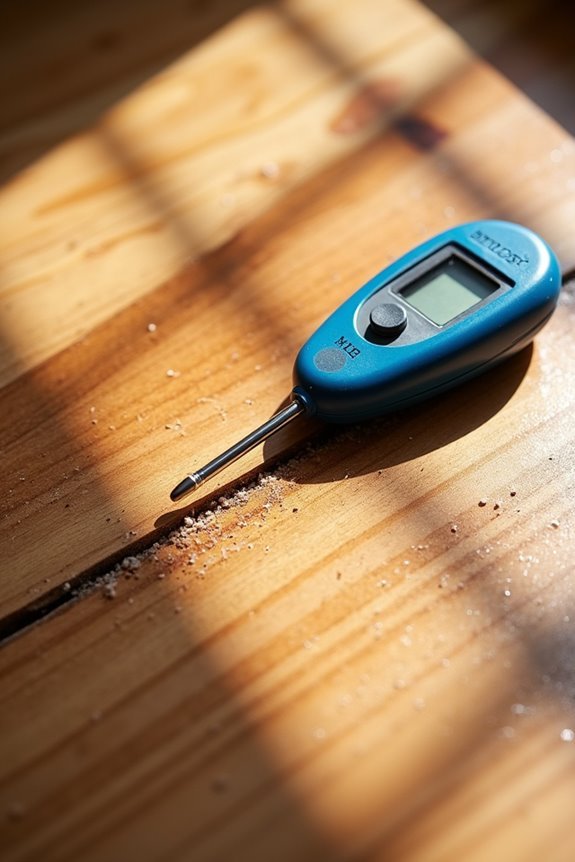
I’ll be honest—moisture damage is the silent saboteur of engineered wood floors. When water penetrates your flooring, it triggers a cascade of problems that sanding can’t fix, and often makes worse.
Here’s what happens: moisture causes warping and cupping, where boards buckle and swell unevenly. When you sand over these compromised areas, you risk breaking through the wear layer and exposing the plywood core beneath. Worse, the veneer integrity fails as moisture causes delamination—that’s when the thin wood surface separates from its base.
Before touching your sander, I recommend getting moisture readings. Elevated levels mean postponing sanding entirely. Sometimes replacement becomes your only reliable option.
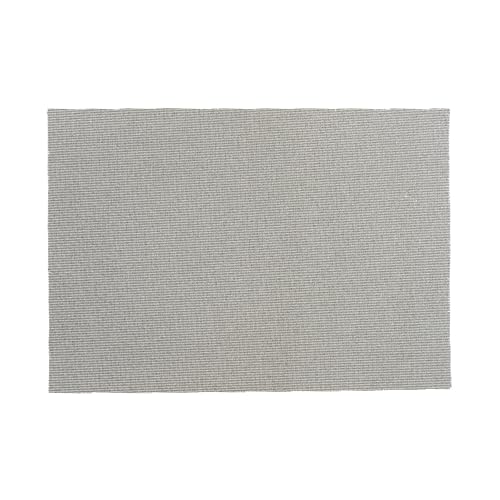
80 grit 14"x28" sand screen disc for floor machines. 10 per case Sand Screen Discs are commonly used for removal or repair of coatings on wood floor surfaces Screen discs are...
Professional Sanding vs. DIY: What You Need to Know
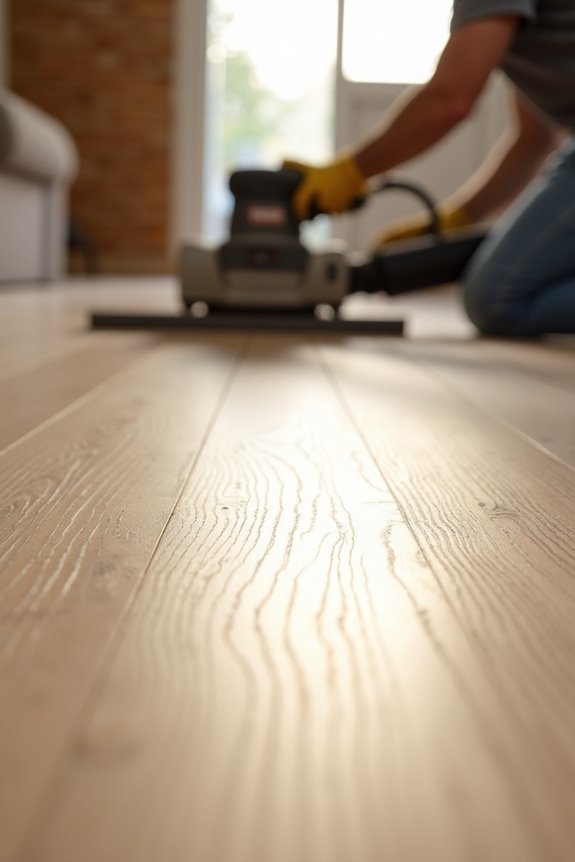
Once you’ve confirmed your floor’s moisture levels are safe, the real decision emerges: should you hire a professional or tackle this yourself?
Once moisture levels check out, the crucial choice emerges: professional sanding or DIY approach?
Here’s what sets them apart:
- Wear-layer thickness matters most—professionals know exactly how much material they can safely remove without breaching your floor’s core
- Equipment expertise—they understand sanding viability through experience with countless engineered wood flooring projects
- Risk management—one mistake means exposing plywood, which requires replacement, not repair
- Cost-benefit analysis—professional sanding costs more upfront but protects your investment
DIY sanding on engineered floors is tempting, but professional sanding delivers reliability and protection. Unless your wear layer’s clearly 3+ mm thick and you’ve done this before, bringing in experts prevents costly damage that’ll haunt you later.

Premium European Oak Construction: 6” wide samples from Flooret’s Silvan Engineered Hardwood Collection—crafted from sustainably sourced European white oak for timeless character and strength.

【Non-PVC】:Unlike SPC flooring, dotfloor's innovative hybrid wood flooring uses a novel composite wood base that is free of PVC and harmful gases. It's safe for children and pets to play on, making it suitable for children's rooms, bedrooms, bathrooms, and more.

FLOOR PROTECTION FILM: LoJok's 40inch x 50foot (Coverage of 163 sqft) roll of floor film shielding floors from dirt, spills, and construction debris. This heavy-duty plastic floor protection is ideal for construction sites, renovations, moving, and painting projects.
Your Sanded Engineered Floor: Results and Maintenance
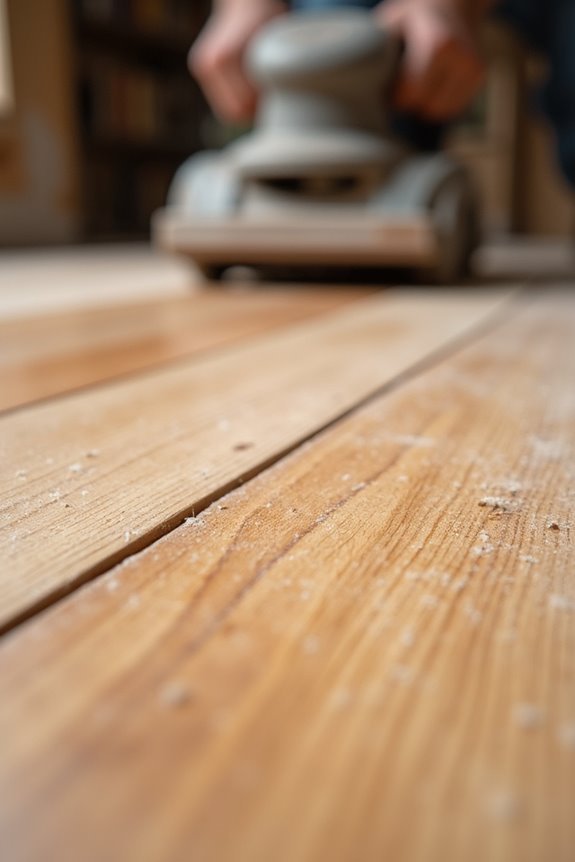
After your sanding’s complete, you’re not quite finished—the real work of protecting your investment kicks in. You’ll apply protective coatings in stages, sanding lightly between each coat to promote proper adhesion. Your wear layer thickness determines how many refinishing cycles you can handle before replacement becomes necessary.
| Wear Layer | Refinishes Available | Maintenance Priority | Timeline |
|---|---|---|---|
| 2–3 mm | 1–2 times | Critical | 5–7 years |
| 4–6 mm | 3–6 times | Standard | 7–10 years |
| Under 2 mm | Not recommended | Preventative only | Monitor closely |
Regular cleaning prevents moisture damage that weakens your veneer. Avoid aggressive abrasives that scratch the fresh finish. You’re protecting both the topcoat and underlying veneer thickness. Stay consistent with care, and you’ll maximize your floor’s lifespan and appearance.