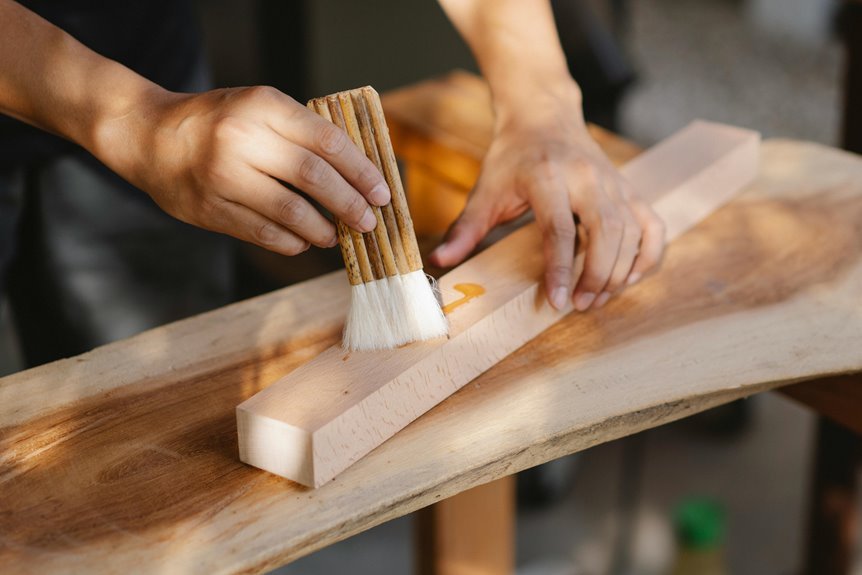
Yes, linseed oil darkens wood, though it works differently than stain—it doesn’t add pigment but triggers a warm amber shift as the oil and wood oxidize together over time. Boiled linseed oil darkens faster than raw oil because of its drying agents. The effect varies by species; walnut deepens uniformly while lighter woods like birch shift more subtly. Sunlight accelerates this change through UV exposure, and successive coats deepen the tone further. If color precision matters, staining first locks in your preferred shade before oil application—a strategy worth exploring.
Does Linseed Oil Darken Wood?
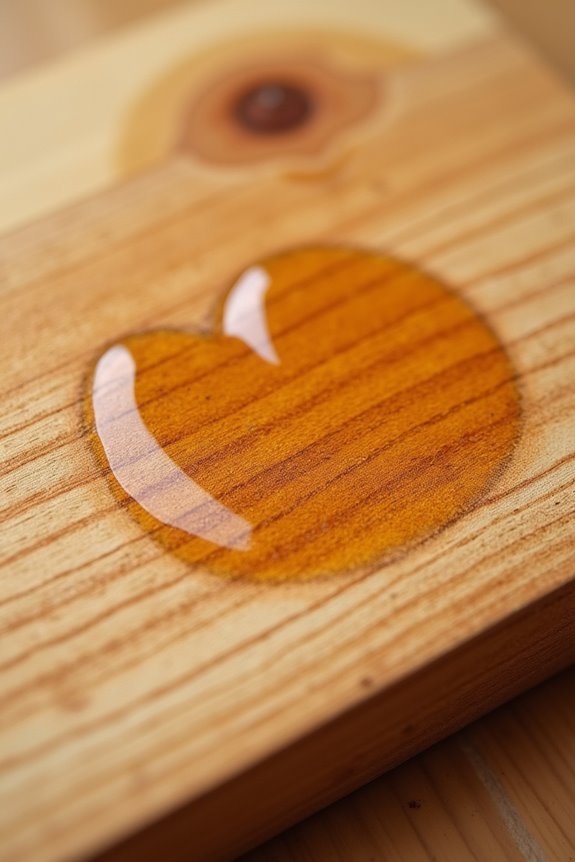
Does Linseed Oil Darken Wood?
Ever wonder why your wood project looks different after applying linseed oil? You’re not imagining it—linseed oil does darken wood, though the effect varies depending on your wood species.
Linseed oil darkens wood with a warm amber tone that varies by species—test on scrap wood first.
Here’s what happens: linseed oil creates a color change rather than adding pigment. It produces a uniform, warm amber tone that deepens over time. The darkening intensifies as your wood oxidizes and ages naturally.
Key factors affecting darkening:
- Boiled linseed oil darkens faster than raw linseed oil because of its drying agents
- Sunlight and UV exposure accelerate the darkening process
- Different woods respond differently to the oil
Understanding this color shift helps you choose the right finish for your project. If you’re aiming for a specific look, testing linseed oil on scrap wood first prevents disappointment.

Penetrates and protects wood creating a quality finish for wood furniture and antiques

SUPERIOR BLEND OF LINSEED OIL & BEESWAX: Tried and True wood finish is a superior blend of linseed oil and beeswax. This time-tested combination of oil and wax provides a warm soft appearance and adds protection against water, liquids and daily use.

SUPERIOR PENETRATING POWER: Danish wood oil is a natural linseed oil beauty for all wooden surfaces. Suitable for use on all types of wood. Easy to apply and dries quickly. Provides an attractive, natural, satin finish.
Raw vs. Boiled Linseed Oil: Color Differences
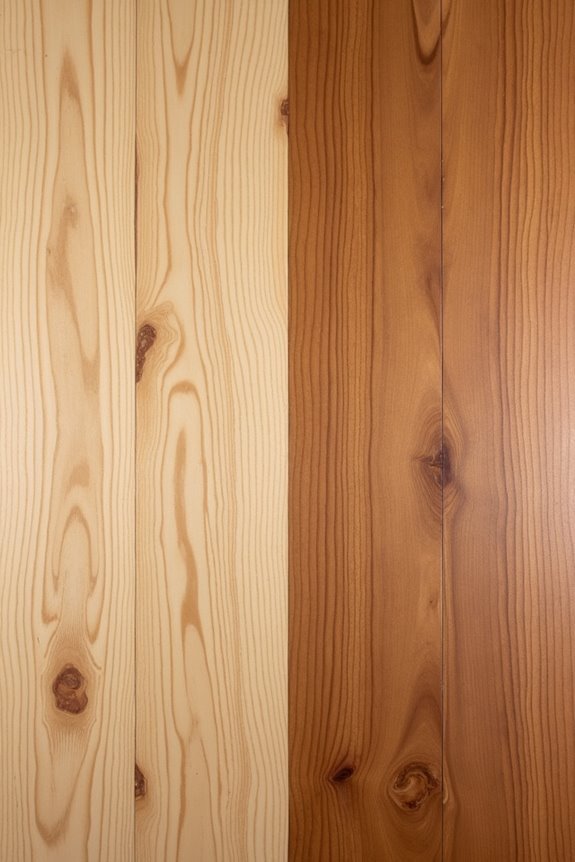
If you’re choosing between raw and boiled linseed oil, you’ll want to know that they don’t produce the same color results on your wood.
Here’s what sets them apart:
- Raw oil enhances grain subtly with a warm, natural look and minimal darkening
- Boiled oil dries faster and creates noticeably more amber-toned color darkening
- Wood species matter—walnut responds with uniform darkening, while other woods show varied results
- Long-term aging darkens both types further through oxidation and light exposure
If you want understated elegance, raw oil’s gentler approach works well. But when you’re after richer, deeper tones, boiled linseed oil delivers faster and more dramatic color darkening. Neither adds pigments—the color changes come from how the wood itself oxidizes when oil penetrates its surface.

Penetrates and protects wood creating a quality finish for wood furniture and antiques

The product is PT Boiled Linseed Oil
CLEAR WOOD FINISH - Boiled Linseed wood refinishing oil absorbs into the wood's grain, enhancing the natural color and the texture of the grain
How Multiple Coats Build Deeper Color
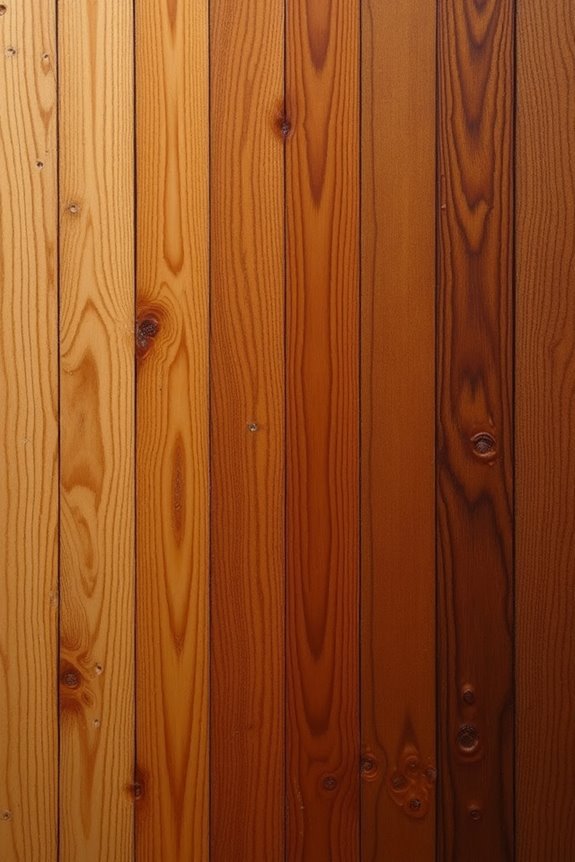
Now that you’ve picked your linseed oil type, you’re probably wondering how to get that rich, luxurious color you’re after—and the answer lies in patience and repetition. Each coat you apply fills more wood pores, progressively deepening the color and enhancing the grain. I’ve found that boiled linseed oil darkens noticeably faster than raw oil with successive coats, so your timeline matters. The darkening effect isn’t pigment; it’s the oil itself enriching what’s already there. Different woods respond uniquely—walnut, for instance, develops a uniformly deeper tone. Over time, especially with sunlight exposure, this darkening becomes even more pronounced. Building that gorgeous depth requires multiple applications, but the payoff delivers the sophisticated finish you’re seeking.

Penetrates deep and protects wood creating a quality finish for wood furniture and antiques
Penetrates deep and protects wood creating a quality finish for wood furniture and antiques

A natural nourishing treatment for wood
Which Wood Species Darken Most?
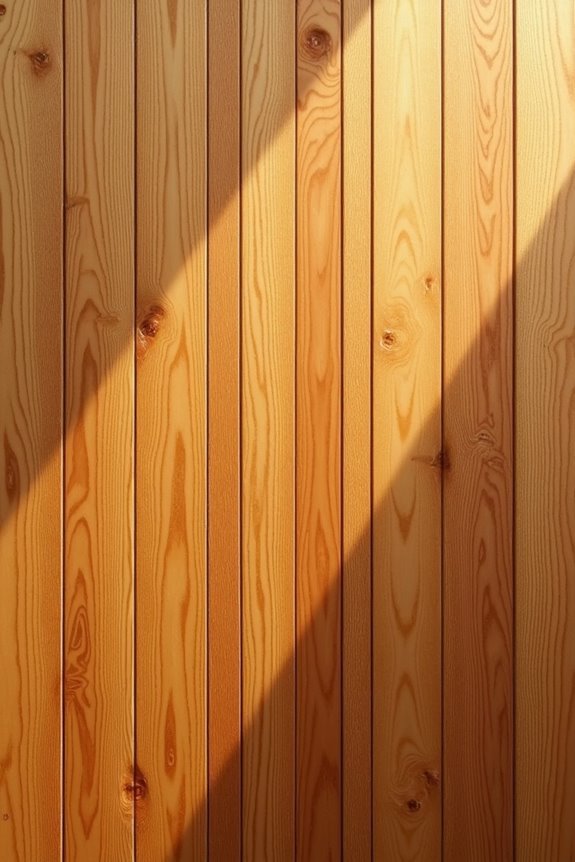
Not every wood species responds the same way to linseed oil, and understanding these differences can help you predict your project’s final look. Walnut, for instance, develops a rich, uniform darker tone, while woods like tiger maple and padauk show more variable results depending on their specific grain and composition. Your wood’s inherent characteristics and how much light it’ll eventually receive play just as significant a role as the oil itself in determining how much darker the finish will actually become.

Premium Wood Treatment: Our walnut oil for woodworking provides a food safe alternative to tung oil and linseed oil for wood, ensuring a rich, deep finish. Suitable for woodworkers seeking a reliable cutting board or butcher block oil for exquisite craftsmanship

OUR PREMIUM WOOD OIL: Coat your kitchen utensils, salad bowls, butcher blocks, and wooden knives with top natural walnut wood oil to give them a rich shine. Bring a unique satin sheen to your kitchen. This 8 oz. walnut finish oil is an excellent wood protection oil that adds a satin sheen to your utensils while being safe for your health

Revitalizing blend prevents drying and cracking of hardwoods and bamboo
Wood Type Darkening Variation
- Walnut darkens uniformly and noticeably, creating rich, cohesive color
- Tiger maple shows dramatic darkening that can concern woodworkers
- Padauk exhibits notable color shifts over time
- Lighter woods often darken less visibly than their darker cousins
Your wood’s inherent nature matters far more than the oil itself. Age amplifies these changes—some species continue darkening months after application. Sunlight exposure also plays a role; woods kept away from direct sun show gentler darkening.
Before oiling, consider your specific wood’s tendency rather than assuming universal results.
Species-Specific Color Changes
Why does walnut seem to glow after you apply linseed oil while birch barely shifts in tone? The answer lies in wood chemistry. Each species responds differently to oil penetration and oxidation, creating species-specific darkening patterns worth understanding.
Woods That Darken Noticeably:
- Walnut achieves that coveted uniform, deeper tone reliably
- Padauk and tiger maple show pronounced color shifts, sometimes unevenly
- These woods absorb oil readily, intensifying their natural pigments
Woods With Minimal Change:
- Birch and maple display limited darkening even after multiple coats
- They darken slowly, if noticeably at all
Understanding your wood’s darkening potential helps you predict results before applying finish. Some species need multiple applications for visible change, while others shift dramatically with just one coat. This species-specific behavior means preparing wood properly matters significantly.
How Sunlight and Age Accelerate Darkening
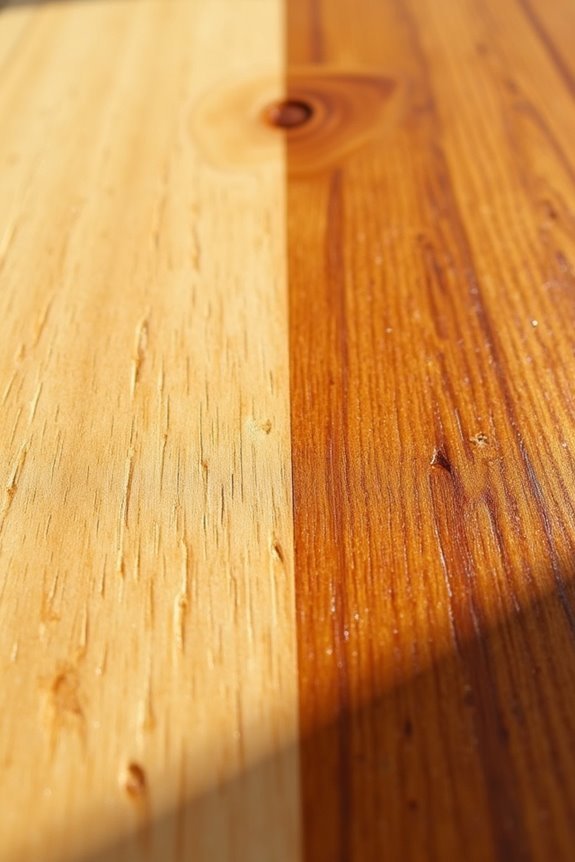
I’ve found that time and light work together in ways you might not expect—boiled linseed oil doesn’t darken wood evenly everywhere, especially when UV rays from sunlight hit the surface differently than shaded areas do. The oxidation process, which is basically the oil drying and hardening over months and years, gradually deepens the wood’s color as chemical changes happen within the finish itself. Understanding how these two forces interact helps explain why a piece you treated last spring might look noticeably richer in tone by fall, and why the side facing your window can look quite different from the sheltered back.

High UV protection - This permanent protective glaze ensures long-lasting UV protection outdoors, even with light shades and with UV+ for colourless.

High UV protection - This permanent protective glaze ensures long-lasting UV protection outdoors, even with light shades and with UV+ for colourless.
UV Exposure And Darkening
When you apply boiled linseed oil to wood and then place that piece in sunlight, something fascinating happens—the darkening accelerates in ways you might not expect.
UV exposure dramatically intensifies how your wood changes color over time. Here’s what’s really happening:
- UV rays penetrate the oil film, triggering chemical reactions that deepen the wood’s natural tones
- Different wood species respond uniquely—walnut darkens uniformly while padauk shifts in unpredictable patterns
- Exterior conditions amplify aging effects, compressing years of color change into months
- UV blockers can slow this process, giving you more control over your final shade
The darkening isn’t immediate, but it’s relentless. You’re watching time accelerate. If you’ve applied BLO indoors, you’ll notice subtle shifts. Move that same piece outside, and you’ll witness color changes that’ll catch your attention—sometimes favorably, sometimes not.
Oxidation Over Time
Beyond the immediate effects of UV rays lies a slower, deeper process that shapes your wood’s color for decades—oxidation. This aging happens naturally as wood surfaces react with oxygen, gradually deepening the grain’s appearance. When you apply linseed oil, you’re accelerating this darkening effect. The finish itself oxidizes alongside your wood, intensifying the color change over months and years.
Different wood species respond uniquely to this aging process. Walnut, for instance, darkens uniformly and noticeably, while lighter woods may shift more subtly. You’ll notice these changes accumulate gradually—sometimes taking years before becoming obvious.
The takeaway: Oxidation isn’t something to fight; it’s part of your wood’s natural journey. Understanding this helps you appreciate the character developing in your pieces over time.
Predicting Your Final Wood Color
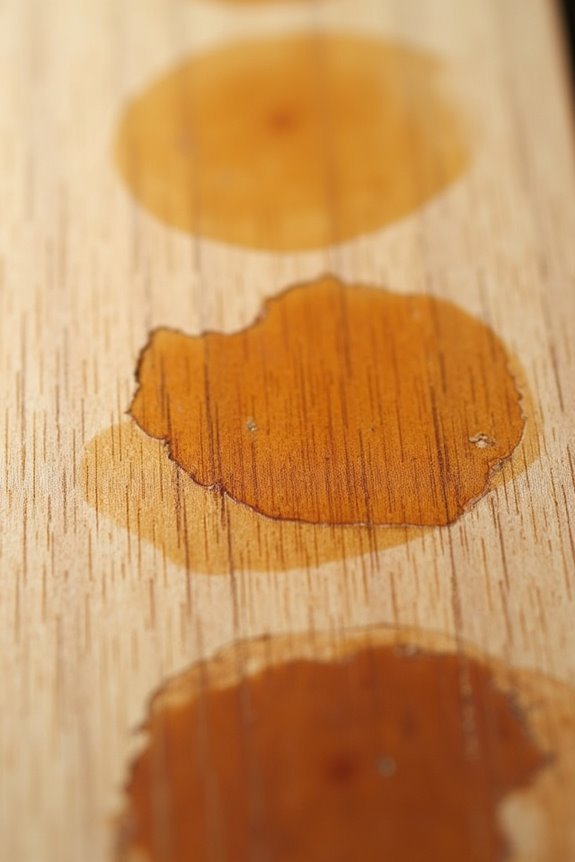
How do you know what your wood’ll actually look like after you apply boiled linseed oil?
Predicting final color requires some detective work. Here’s what affects your results:
- Wood species matters most — walnut darkens uniformly, while oak shows uneven toning
- BLO alone creates baseline darkening — expect subtle shifts initially, not dramatic changes
- Additional finishes shift the shade further — protective coatings add their own color dimension
- Time rewrites your color story — aging and UV exposure continue darkening long after application
Think of BLO as a color-changing step rather than a true stain. Your wood’ll darken from both the oil itself and natural aging processes. Test on scrap wood first. This way, you’ll see your specific species’ actual darkening pattern before committing to your project.

SUPERIOR BLEND OF LINSEED OIL & BEESWAX: Tried and True wood finish is a superior blend of linseed oil and beeswax. This time-tested combination of oil and wax provides a warm soft appearance and adds protection against water, liquids and daily use.

GOOD HOUSEKEEPING SEAL: This product was evaluated by the Good Housekeeping institute and after rigorous testing by their expert scientists and engineers, has been granted the prestigious Good Housekeeping seal. Evaluation of the product includes reviewing product effectiveness, as well as packaging and marketing claims.

How to Control or Minimize Darkening
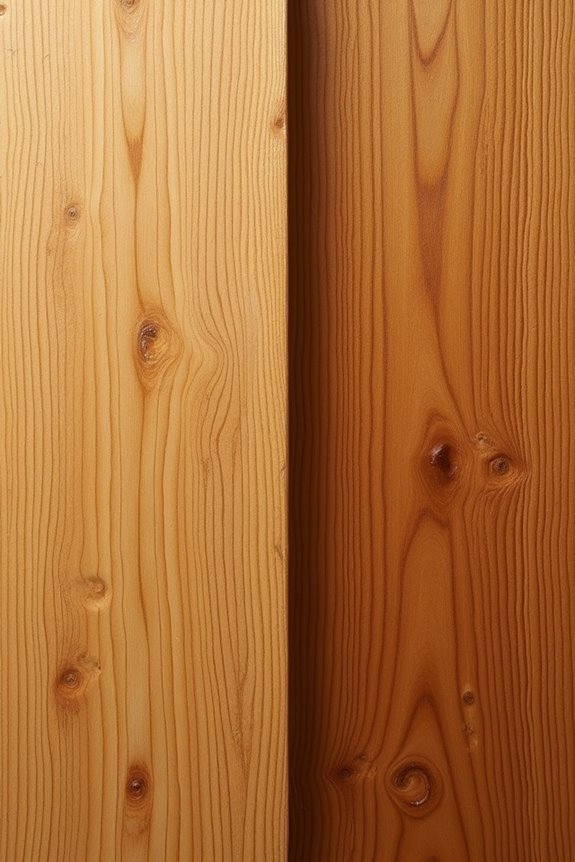
What if you’ve already fallen in love with your wood’s natural color and want to keep it that way?
I’ve found that controlling BLO’s darkening effect comes down to smart choices. Sunlight exposure matters most—woods darken less when they’re placed in naturally bright spaces rather than dim corners. The UV rays actually counteract the aging process.
Your application strategy matters too. Apply thinner coats instead of heavy ones; less oil means less darkening. Consider using water-based finishes alternatively, which won’t alter your wood’s tone as dramatically.
If you’re committed to linseed oil, accepting some mild change is realistic. That’s where staining first becomes your strategy. By applying your desired stain before the oil, you’re locking in your preferred color while protecting it.

The product is 5GAL Boiled Linseed Oil
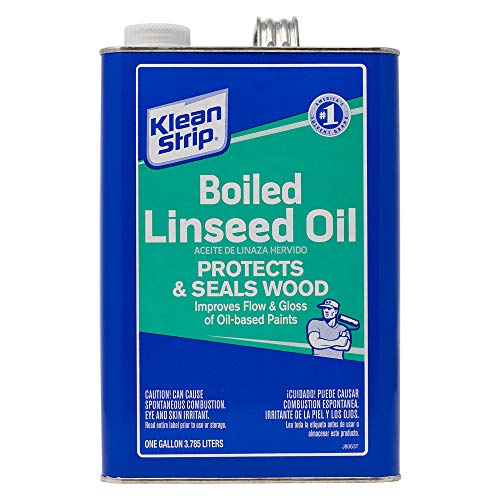
Protects wood

Quick drying
Linseed Oil vs. Tung Oil: Darkening Compared
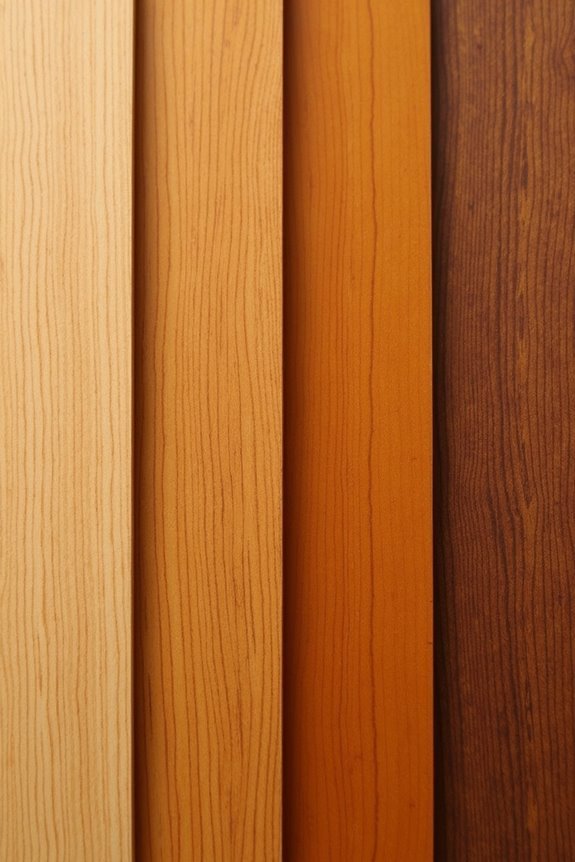
When you’re standing in the finish aisle trying to pick between linseed and tung oil, you’re really choosing between two different darkening timelines.
Understanding their differences helps you make the right call for your project:
- Darkening speed: Linseed oil darkens gradually over time through aging and light exposure, while tung oil cures faster with immediate amber tones
- Final appearance: Linseed oil produces subtle darkening that deepens with coats; tung oil delivers consistent, warm amber from the start
- Finish quality: Linseed oil may vary with age, whereas tung oil maintains a stable matte-to-satin look
- Durability: Tung oil resists late-time darkening better outdoors, making it more predictable long-term
Both penetrate wood rather than form surface films. Your choice depends on whether you want tung oil’s dependable amber aesthetic or linseed oil’s evolving character.

Penetration and Protection: Linseed oil penetrates deeply into the pores of the wood. This deep penetration provides protection from the inside out, guarding against moisture and reducing the likelihood of cracking and warping.

🌱 OUR PURE LINSEED OIL FOR WOOD: is a vegetable oil for treatment and maintenance of all solid wood. The oil leaves a 100% biological surface and underlines the original natural structure of the wood. Our linseed oil provides the surface with a beautiful, long-lasting and resistant surface, protecting against dirt, moisture and drying out. Lighter woods will attain a light yellow color. Contains: 100% refined linseed oil.

NATURAL WOOD FINISH - Raw Linseed wood refinishing oil absorbs into the wood's grain, enhancing the natural color and the texture of the grain
When Deepening Tone Enhances Your Project (and When It Doesn’t)
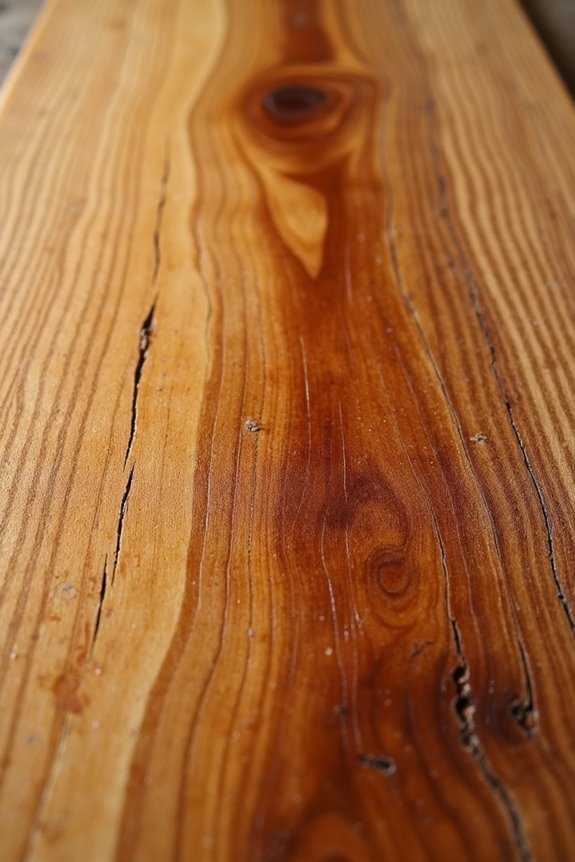
The key to knowing whether boiled linseed oil’s darkening effect will work for you lies in understanding your wood species and what you’re actually trying to achieve.
BLO’s darkening isn’t one-size-fits-all. Some projects benefit from that deepening tone, while others don’t.
| Wood Type | Darkening Effect | Best Use | Avoid If |
|---|---|---|---|
| Walnut | Uniform, subtle | Fine furniture | You want lightness |
| Pine | Minimal, gradual | Rustic pieces | Precise color matters |
| Oak | Moderate with aging | Flooring | Color consistency needed |
| Maple | Slight, time-dependent | Delicate work | You prefer brightness |
When you’re crafting something where warmth adds character—a cutting board, outdoor bench—that gradual darkening through aging becomes useful. But if you’re finishing something requiring exact coloration, you’ll want to stain first, then apply BLO. Matching existing pieces becomes difficult otherwise.

PROTECTS wood surfaces by penetrating deep into pores and coating with a rich and nourishing non-greasy finish.

Country of origin is France

PRESERVE AND PROTECT - Our premium refined walnut oil helps maintain natural wood beauty and integrity. If your wooden bowl, butcher block, or cutting board looks dry or feels rough, apply Andrew Pearce Refined Walnut Wood Oil to protect the wood, restore lustre, and bring out the natural beauty of your woodenware.