
That sewage smell? It’s usually one of three culprits: a dried P-trap (the U-shaped pipe under your sink that blocks gas), a clogged drain breeding bacteria, or a faulty toilet wax ring. You can fix most of these yourself in under an hour. Start by running water in unused fixtures for 60 seconds to refill your trap, then plunge accessible clogs. If the smell persists, you’ll want to understand what’s happening deeper in your plumbing system.
Bathroom Sewage Smell? Here’s What’s Causing It
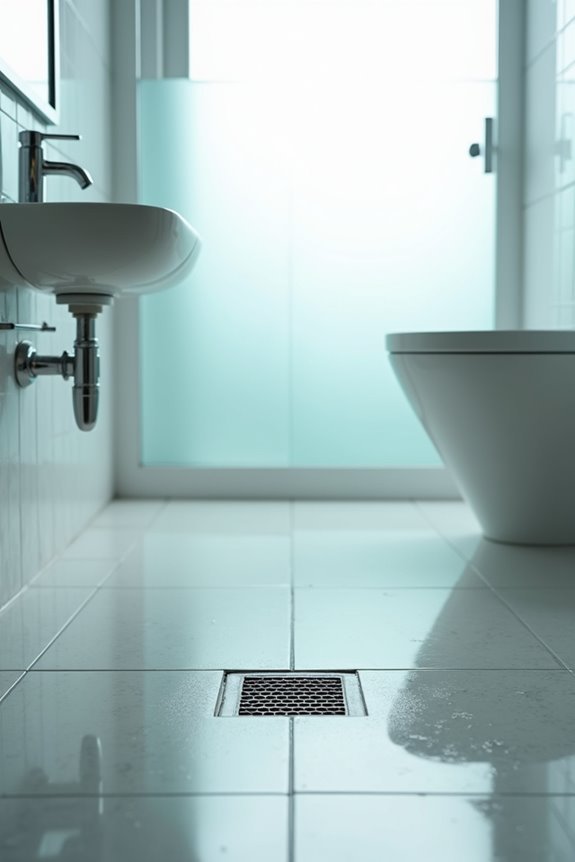
Why does your bathroom smell like a sewer, and where’s that odor actually coming from? It’s frustrating. The culprit usually traces back to one of several common issues in your plumbing system.
Common Sources:
A dry P-trap—that U-shaped pipe under your sink—loses its water seal when moisture evaporates, allowing sewer gases to seep through. Blocked drains packed with hair and soap scum breed bacteria that smell terrible. Your vent pipe might be blocked, forcing gases back inside. A deteriorated wax seal around your toilet base lets odors escape. Finally, serious problems like failing sewer lines require camera inspection to diagnose properly.
Identifying which issue you’re facing determines your fix.


PREMIUM QUALITY & DURABILITY – Built from polypropylene tubular construction with a PVC Marvel adapter, this P-Trap kit ensures long-lasting durability, corrosion resistance, and a leak-free connection for all your plumbing needs.

Compact yet powerful - Our drain kit boasts a 30% smaller valve body combined with a 10% larger bladder opening, ensuring maximum performance in a compact design. And it won't take up too much space under your sink or behind your appliances.
Start Here: Three Quick DIY Fixes
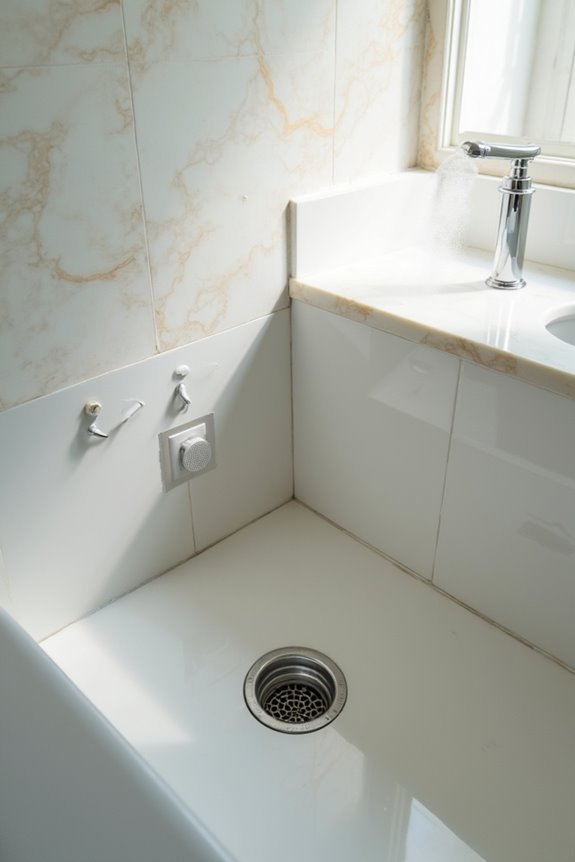
Before you call a plumber, I’d like you to try three straightforward fixes that often eliminate bathroom sewage smells in just minutes. These solutions target the most common culprits—dried-out traps, loose toilet seals, and blockages—and they’re all things I can walk you through right now. Let’s start with the quickest wins that might save you a service call.

Universal Toilet Wax Ring: The Hibbent toilet flange is compatible with 3-inch and 4-inch waste lines, suitable for below-floor or level flange connections. The wax ring forms a tight seal between the toilet outlet and pipe, providing a long-lasting, hygienic, gas-tight, and leak-proof seal for most floor-drain toilets

Optimal Seal Performance: Say goodbye to unpleasant sewage odors, leak accidents, and noxious gases with the Hibbent Wax Seal Kit. It creates a long-lasting, airtight, odor-tight, and watertight seal between your toilet bowl and waste line—keeping your bathroom fresh and dry

No Leak: Wax ring for toilet features a polyurethane core that prevents lasting gas odors and water leaks. The wax ring solves the problem of sewage leakage and says goodbye to unpleasant gasses or odors
Refill Dry P-Trap Water
When’s the last time you used that guest bathroom sink or the shower in the spare room? If you’re noticing sewer gas smells, I’ve got good news—you might fix it in minutes.
Here’s what’s happening: the P-trap, that U-shaped pipe beneath your fixtures, holds water that blocks wastewater odors from escaping. When unused fixtures sit dormant, that protective water evaporates, leaving your bathroom vulnerable to sewer gas.
| Fixture | Time Needed | Water Volume | Expected Result |
|---|---|---|---|
| Sink | 1 minute | 5-10 gallons | Trap refilled |
| Shower | 2 minutes | 10-20 gallons | Seal restored |
| Toilet | 1 flush | 3-5 gallons | Gas barrier active |
| Drain | 1 minute | 5 gallons | Odor blocked |
Run water for about one minute in that unused sink. You’re recharging the trap’s protective seal. It’s simple and effective, and you’ll have fresh-smelling spaces again.
Reseal Toilet Base Caulk
If that refilled P-trap didn’t solve your sewer smell problem, the culprit might be hiding right at your toilet’s base. Over time, the wax ring underneath deteriorates, allowing gases to escape around your toilet base and into your bathroom. Resealing with caulk creates a protective barrier.
Here’s what you’ll do:
Turn off water, flush empty, and remove the toilet carefully. Clean away old wax and debris from the floor flange. Install a fresh wax ring, then reseat your toilet firmly. Finally, apply silicone caulk around the base—not acrylic, which cracks easily in moist bathrooms.
Silicone creates a durable sealant that resists mold and blocks sewer gases. If bathroom odor persists after this reseal, you’ll want a plumber checking for deeper issues like loose bolts or leaks beneath the floor.
Clear Accessible Drain Blockages
Many bathroom odors actually originate from clogs hiding in your drains—places where hair, soap scum, and organic matter accumulate and start to decompose, creating that unmistakable sewage smell.
A basic plunger tackles most accessible drains effectively. Fill your sink or tub with a few inches of water, place the plunger over the drain opening, and pump vigorously several times. This dislodges trapped debris that breeds bacteria and blocks sewer gases from escaping properly.
If plunging doesn’t work, your P-trap might need attention. Run water for about a minute to refill the water barrier inside. For persistent clogs, contact a plumber—hidden blockages require professional expertise. Regular drain maintenance prevents future buildup, keeping your bathroom fresh and odor-free.
Clogged Drains: How Bacteria Buildup Creates Odors
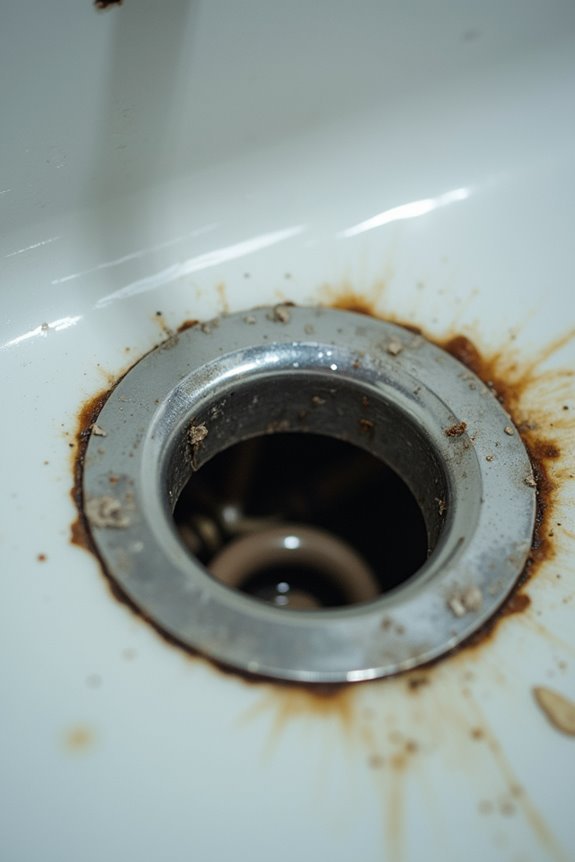
Why does your shower drain smell like a sewer? When hair and soap scum accumulate in your pipes, they trap moisture and create the perfect environment for bacteria to thrive. This buildup develops gradually as debris collects over time.
| Problem | Cause | Solution |
|---|---|---|
| Foul odor | Bacteria multiplication | Regular drain maintenance |
| Visible blockage | Hair and soap scum | Remove accessible debris |
| Persistent smell | Deep buildup | Professional cleaning |
The bacteria emit that unmistakable sewage-like smell. By clearing accessible blockages regularly, you’ll prevent odor before bacteria multiply. If unclogging doesn’t eliminate the bathroom smell entirely, deeper sewer or vent issues might be responsible. Consistent drain maintenance keeps your pipes fresh and your bathroom comfortable.

DURABLE MATERIAL: The brush rod is made of high quality stainless steel, flexible and bendable. The spiral bristles are strong and dense for effective multi-functional cleaning in the home, hanging design for easy storage

Diversified Sizes for Comprehensive Cleaning Experience: Our stainless steel hose brush 3-piece set offers five different sizes of brush heads (0.39 inches, 1.9 inches, 2.26 inches, 0.78 inches, 1.18 inches), covering cleaning needs from small to standard pipes. Whether it's for home kitchens, fish tanks, water pump accessories, or car sunroofs and refrigerator pipes, our brushes can easily handle it, providing a cleaning experience with no dead corners.

All-in-One Drain Brush and Drain Snake Cleaner Tools Kit
Your P-Trap Dried Out: Why It Matters
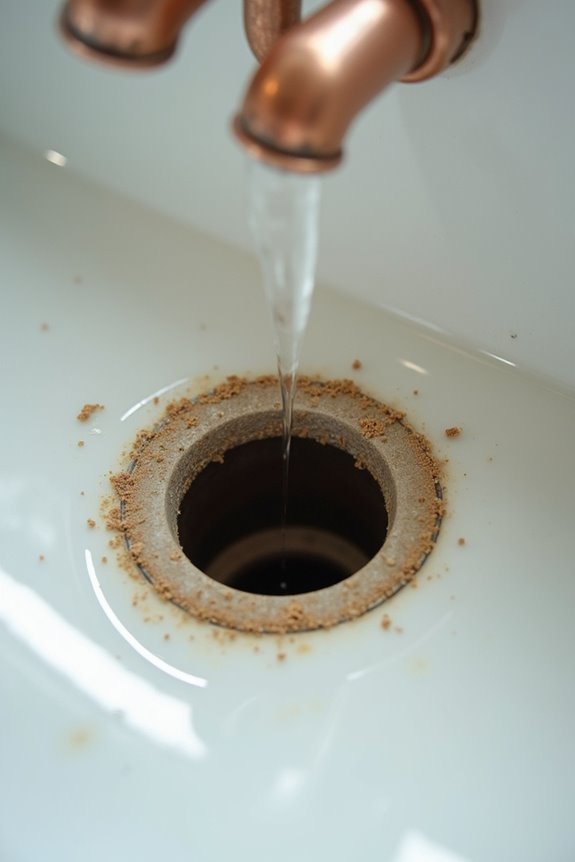
Have you noticed a sewage smell coming from a bathroom sink or drain you haven’t used in weeks? That foul odor likely stems from your P-trap—the U-shaped pipe beneath your fixture that normally protects you.
Here’s what happens: when you don’t use a sink or drain, water in the trap evaporates over time. Without that water barrier, sewer gases seep right into your bathroom, creating unpleasant smells.
The Fix
Refill your trap with preventive maintenance. Run water in unused fixtures for about a minute to recharge the water barrier. That’s it. Regular use maintains the trap naturally, but for guest bathrooms or seasonal spaces, monthly refills work perfectly.
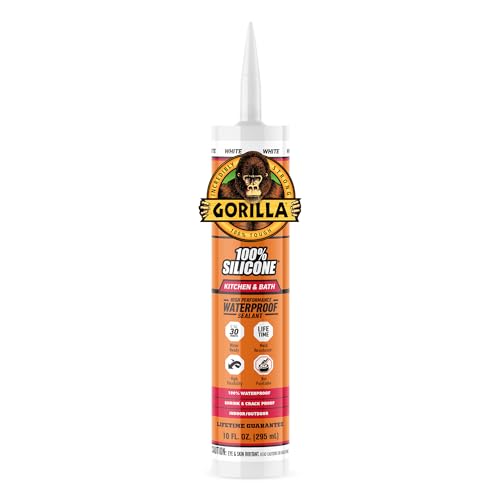
Kitchen & Bath Ready – Premium white silicone caulk formulated for kitchens and bathrooms, delivering a durable, long-lasting seal in wet, humid environments

100% Silicone Caulk Protection: This silicone caulk white provides ultimate waterproof protection, ensuring a reliable seal against water damage. Ideal for areas with consistent exposure, keeping your surfaces safeguarded and pristine under any weather condition.

【Waterproof】: This is a new type of silicone caulk, the main material is modified polyether with silane formula offers ultimate protection from water damage, providing a reliable seal in areas prone to consistent water exposure.
How to Refill a Dry P-Trap in Minutes
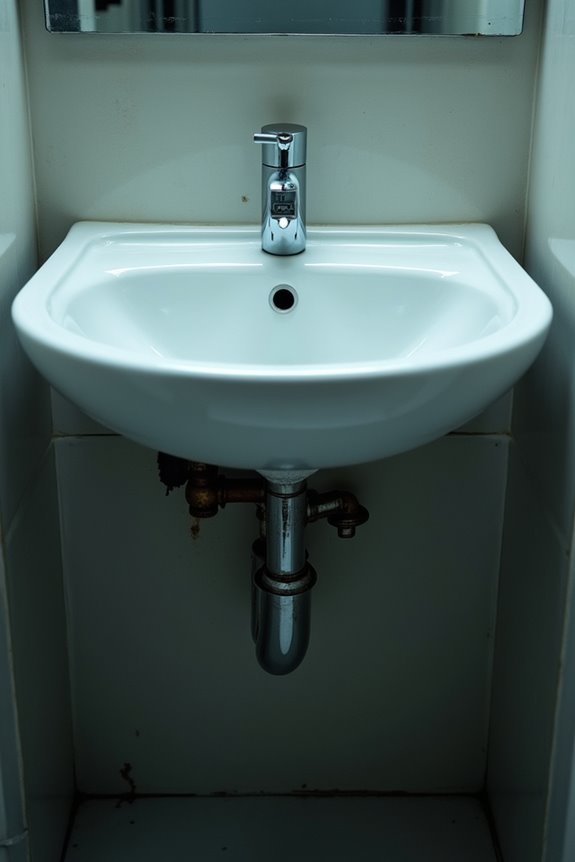
So you’ve figured out that your P-trap’s dried out—now what? The fix is simpler than you’d think.
The Solution
Refilling your P-trap takes about one minute. Here’s what you do:
- Turn on the faucet in your unused bathroom sink or shower
- Let running water flow for a full 60 seconds
- Watch as water fills the U-shaped pipe beneath your fixture
That’s it. The water creates a seal that blocks sewer gases and eliminates that awful odor creeping into your bathroom.
Why This Works
When you run water through the drain, you’re restoring the barrier that evaporation destroyed. The P-trap refills, trapping water at the bottom of the bend. This water acts like a gate, keeping those sewage-like smells exactly where they belong—down in the pipes, not in your home.

Home Essentials: Fireplace chimney brushes includes two high quality synthetic brush head and flexible rods that extend up to 30 feet

OdorHog Carbon replacement mesh bag fits OdorHog 3-inch, 2-inch and 1.5-inch vent stack pipes

OdorHog is an activated charcoal vent stack filter for plastic or metal vent pipes that eliminates unpleasant outdoor odors from the roof vents.
Vent Pipe Blockage: Diagnosis and Clearing
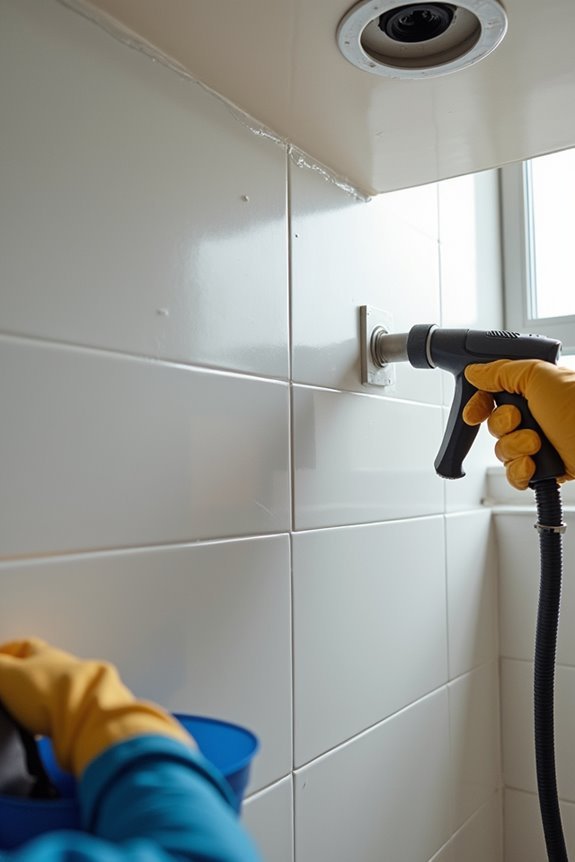
If your bathroom smells like sewage but your P-trap’s filled with water, the culprit might be sitting on your roof.
Your vent pipe blockage is likely the problem. These pipes allow sewer gases to escape outside, but leaves, debris, or animal nests can clog them, forcing gases back indoors.
Vent pipe blockages force sewer gases back indoors. Leaves, debris, and animal nests commonly clog these essential escape routes.
Signs you’ve got a blocked vent:
- All drains in your home drain slowly
- Gurgling noises come from your pipes
- Persistent sewage odor despite cleaning
DIY solutions: Climb onto your roof (safely) and inspect the vent opening. Remove visible blockages with a plumbing snake or hose. However, if the vent remains inaccessible or you’re uncertain about clearing it safely, hire a plumber. Proper venting restores sewer gases’ escape route, eliminating that stubborn smell. A professional handles the job correctly, keeping your home fresh.

【UNIVERSAL BATHROOM SINK DRAIN KIT】This flexible p trap bathroom sink pipe replacement drain kit adapts to 1 ¼ inches of bathroom sink drains, featuring a flexible p-trap for universal compatibility and easy installation. The package includes Long Wall Tube with Washer, Wall tube length (4.5"), Extension tube length (8"), 1 1/4" washer & 1 1/2 washer, Hose length (9"), 1 1/2" Wall Drain Coupling, 1 1/2" - 1 1/4" Reducing Coupling.

【Complete Kit】 Includes straight pipes, elbow joints, adapters, seals and thickened silicone Washer - everything needed for most drainage projects without extra purchases.

EZ-Fluid 1-1/2" Thick Heavy Duty 17 Gauge Kitchen Sink Chrome Brass P-Trap w/Brass Nuts & 1-1/2" x 1-1/4" Reducing Washer, for Sink Waste Drain P-Trap Brass Tubular Kit,Commerical Grade
Spotting Cracks and Leaks in Your Plumbing
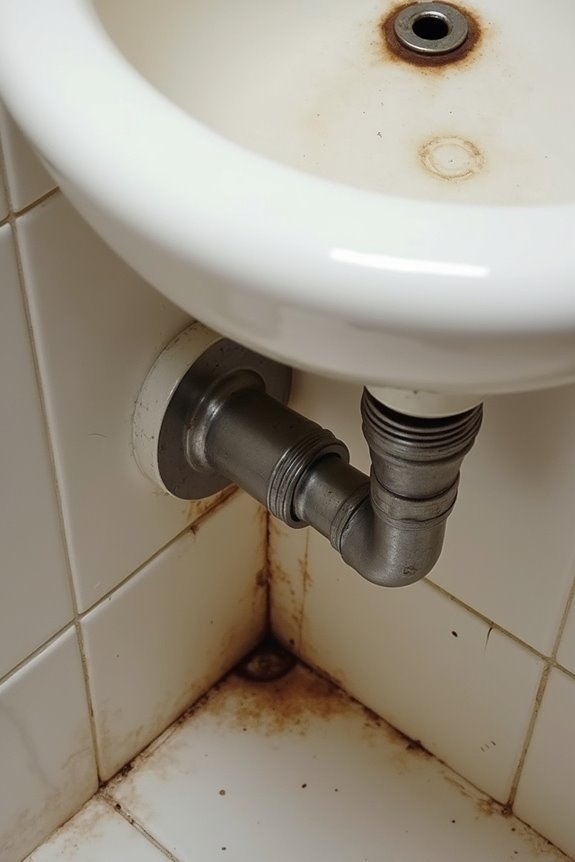
Where exactly is that sewage smell coming from in your bathroom?
I’ve found that hidden plumbing problems often lurk where we can’t see them. Check your toilet seal—that wax ring underneath can crack or shift, letting gases escape near the base. Look around your toilet and under sinks for loose caulk or visible moisture.
What to inspect:
- Cracks around the toilet seal
- Loose caulk along fixtures
- Dampness under sinks or behind walls
- Damaged vent pipe sections
If you spot leaks, they’re signaling trouble. Behind-wall pipe joints need professional attention since you can’t easily access them. A plumber can use smoke testing—introducing harmless smoke to trace exactly where gases escape. This diagnostic method pinpoints problems your eyes might miss, saving you frustration and odor.

NO WAX, NO MESS - The easiest way to install a toilet seal ring & fix leaks

NO MESS: Perfect Seal has a hidden wax ring which causes no mess and 3X's stronger seal than regular wax rings

NO MESS TOILET INSTALLATION: The Perfect Seal encapsulates the wax with rubber delivering a strong seal without the sticky mess
Faulty Toilet Wax Seals: Signs and Solutions
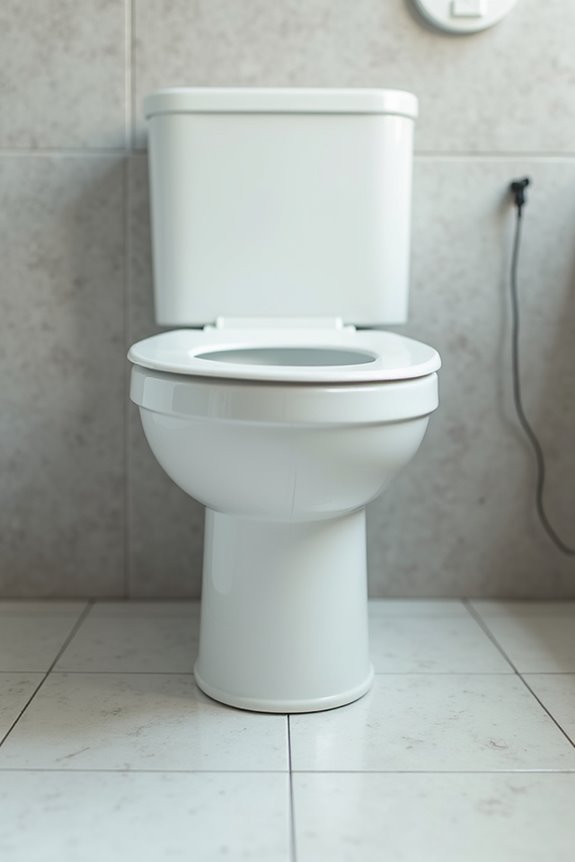
The wax ring underneath your toilet is one of those humble components that works silently until it doesn’t—and when it fails, you’ll know it. A broken toilet wax seal lets sewer gas escape into your bathroom, creating that unmistakable sewage smell around the toilet base.
A broken toilet wax seal silently fails until sewer gas escapes, creating that unmistakable sewage smell around your toilet base.
How to Spot the Problem
Watch for these warning signs:
- Persistent bathroom odor near the toilet
- Water pooling around the floor
- A slight rock when you press down on the seat
Your DIY Toilet Seal Repair Option
You can handle wax ring replacement yourself. Shut off water, flush empty, disconnect the supply line, lift the toilet, scrape away old wax, install your new wax ring, reset everything, and caulk the base. Most repairs succeed without professional help.

Sink Drain Brush Kit : This set includes two 16.7" long brushes with diameters of 1.26" and 0.6", plus a versatile crevice brush. Designed to remove clogged hair, sticky grime, and debris from drains and pipes efficiently.

You will get 1 pcs 66" dual-ended drain brush with 0.6" and 1.2" diameter bristle heads, 1 pcs 58" pipe brush with 0.5" diameter bristle head, 2 pcs 8" straw cleaner brush with 0.4" diameter bristle head.
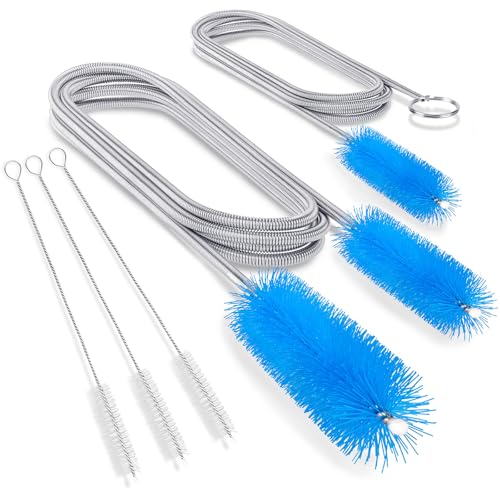
【Dual Ended Design】 This 66-inch flexible drain brush is designed to reach deep into kitchen sinks, bathroom pipes, and curved plumbing to help remove hidden buildup. Two different brush heads work together to help clean tight spaces effectively.
Replacing Your Toilet Wax Ring: Step-by-Step
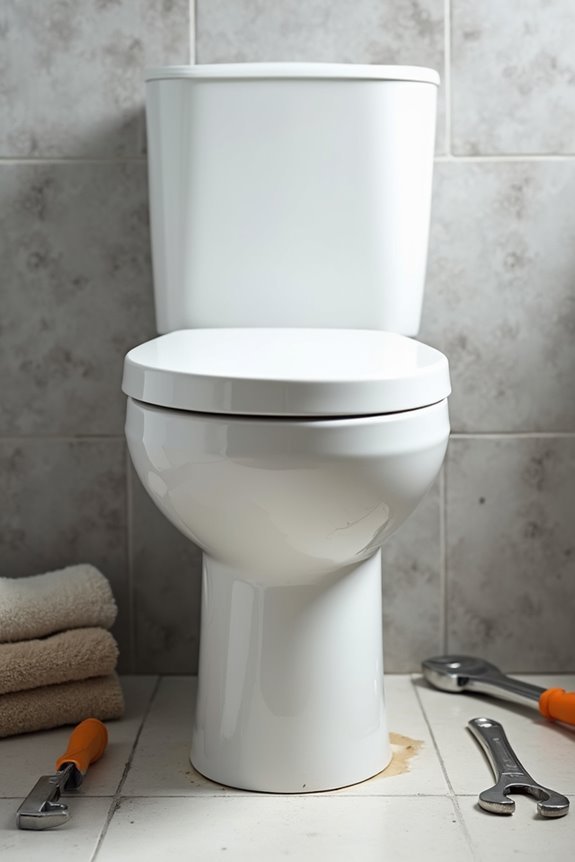
Once you’ve confirmed that a faulty wax seal’s behind your bathroom odor, you’ve got a choice: call a plumber or tackle it yourself.
What You’ll Need
Gather your tools: putty knife, adjustable wrench, shims, caulk, and a socket set. You’re removing sewer gas’s entry point.
The Process
First, shut off water and flush completely. Disconnect the water line, then remove bolts securing the toilet to the toilet flange. Lift carefully—this is heavy work. Scrape away old wax thoroughly using your putty knife. Place your new wax ring centered on the flange, then reseat the toilet firmly. Check for wobbling by gently rocking it. Finally, apply caulk seal around the base for stability and to secure the toilet properly.

Indoor/Outdoor 100% Waterproof Caulk – Durable, long-lasting white silicone sealant for indoor and outdoor use; ideal for showers, sinks, windows, doors, gutters, and vents

Waterproof sealant: This white caulk seals out air, water, and moisture with 100% silicone as cured

Color & Size Specification: 1.5IN/38mm(With), 10.5FT/3.2m(Length), 0.047IN/1.2mm(Thickness) Color: White This waterproof sealant caulk tape strip with a crease in the middle.
How to Unclog a Drain Effectively
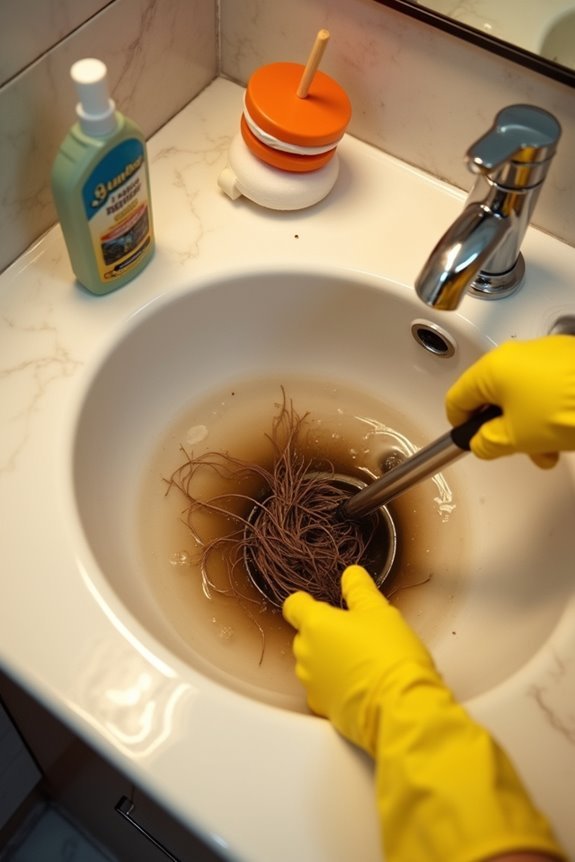
Drain clogs are basically bacteria’s favorite breeding ground, and they’re one of the most common culprits behind that sewage smell in your bathroom.
What’s Actually Blocking Your Pipes
Hair, soap scum, and debris accumulate in your drain, trapping moisture where bacteria thrive. This buildup creates that unmistakable foul odor you’re experiencing.
Your Action Plan:
- Use a drain snake to dislodge the clogged shower drain yourself
- Remove visible hair and debris from the drain opening
- Flush hot water through to clear remaining buildup
- Check your P-trap isn’t dried out by running water regularly
- Consider professional cleaning for stubborn, deeper clogs
Prevention Matters
Regular maintenance prevents future blockages. Install drain screens, remove hair weekly, and flush drains monthly with hot water. This keeps your bathroom smelling fresh while protecting your vent pipes from backup issues.

OdorHog is an activated charcoal vent stack filter for plastic pipes that eliminates unpleasant outdoor odors from the roof vents

OdorHog is an activated charcoal vent stack filter for plastic or metal vent pipes that eliminates unpleasant outdoor odors from the roof vents

OdorHog is an activated charcoal vent stack filter for plastic or metal vent pipes that eliminates unpleasant outdoor odors from the roof vents
Broken Sewer Lines: When It’s Beyond DIY
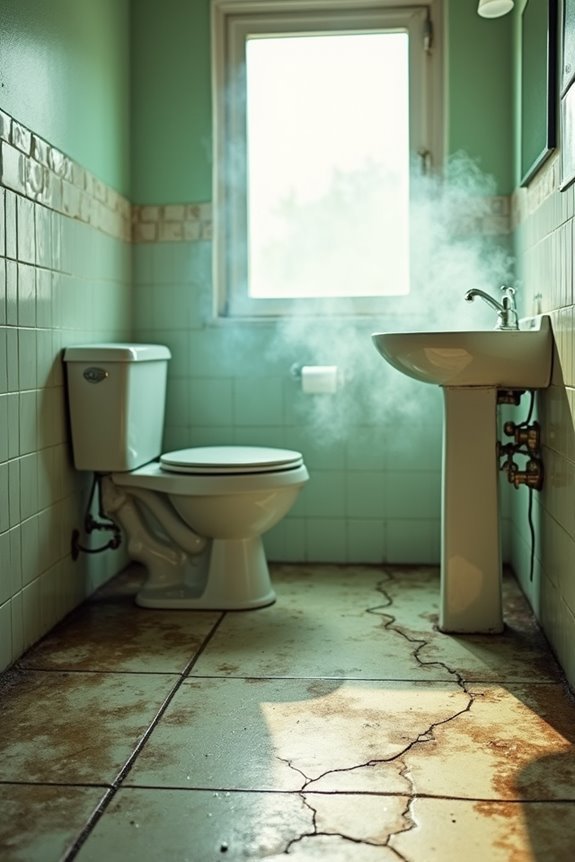
Sometimes you’ve cleared the clog, run the hot water, and even installed drain screens—yet that sewage smell persists in your bathroom. That’s when you’re likely facing sewer line damage.
What’s Actually Happening
Root intrusion and pipe deterioration create cracks where sewage gases escape directly into your home. A broken sewer pipe doesn’t just smell bad; it threatens your family’s health and your property’s foundation.
A broken sewer pipe threatens your family’s health and your property’s foundation, not just your nose.
Getting Professional Help
Call a plumber for camera inspections. They’ll pinpoint exactly where the damage is located. Depending on what they find, you’ll choose between section replacement, trenchless repair, or pipe bursting—less invasive options that spare your yard.
Verification Matters
After repairs, smoke testing confirms everything works properly. You’ll have a fresh-smelling bathroom again.
Signs You Need a Professional Plumber
If you’ve tried the usual fixes—refilling that dry P-trap under your sink, resealing your toilet base, or clearing out visible clogs—but the sewer smell keeps hanging around, it’s time to call a professional plumber. When odors persist despite your efforts, you’re likely dealing with something hidden, like a cracked pipe, tree roots blocking your sewer line, or a damaged wax seal that needs replacing. A camera inspection can show exactly what’s going on beneath the surface, so you’ll know what repair you’re actually facing instead of just guessing.
Persistent Odor Despite Fixes
Despite your best efforts with baking soda, vinegar, and running water down every drain in sight, that sewage smell lingers in your bathroom like an unwelcome houseguest.
Here’s what you’re likely facing:
- A dry P-trap that’s lost its water seal
- A compromised wax seal under your toilet
- A vent blockage preventing proper air circulation
- Tree roots or cracks in your sewer line
- Multiple fixtures draining slowly or backing up
When DIY fixes fail, you’ve got a systemic problem requiring professional intervention. Your plumber will use camera inspection to locate hidden issues, perform smoke testing, or recommend hydro jetting. That persistent crouch gurgling you’re hearing? It signals sewer line damage needing trenchless repair or replacement.
Stop guessing—call a professional plumber now. You’re not alone in this frustration.
Professional Inspection Requirements
When should you stop troubleshooting on your own and call in a professional plumber?
If you’ve tried basic fixes and that sewer gas smell persists, it’s time to bring in someone with specialized equipment. You’ll want a professional inspection when:
- A continuous odor lingers in your bathroom or basement despite cleaning
- Your toilet consistently smells like sewage
- Showers emit gas even after thorough cleaning
Professional plumbers use advanced tools you won’t find in most homes. They’ll perform camera inspections to locate hidden clogs or pipe breaks, conduct smoke testing to identify leak points, and assess whether rain triggers your odor issues. This leak detection determines if you’re facing a simple seal repair or need sewer line replacement. Getting professional input early saves frustration and money.
Keep Your Bathroom Drain Healthy: Prevention Tips
Maintaining a fresh-smelling bathroom starts with keeping your drains in good working order—and honestly, it’s way easier than dealing with the problem once it shows up.
Prevention works better than fixes. Here’s what keeps sewer gases at bay:
- Run water regularly in unused fixtures to maintain your water seal and prevent a dry P-trap
- Clear debris monthly by removing hair and soap scum buildup that breeds bacteria
- Check your toilet seal and wax ring for wear, which lets sewer gases escape
- Listen for gurgling sounds indicating a blocked vent pipe needs attention
- Schedule routine drain maintenance to catch problems before they escalate
Think of it like brushing your teeth—small consistent actions prevent bigger problems down the line. Your bathroom’s health depends on these simple habits, and you’ll notice the difference right away.