
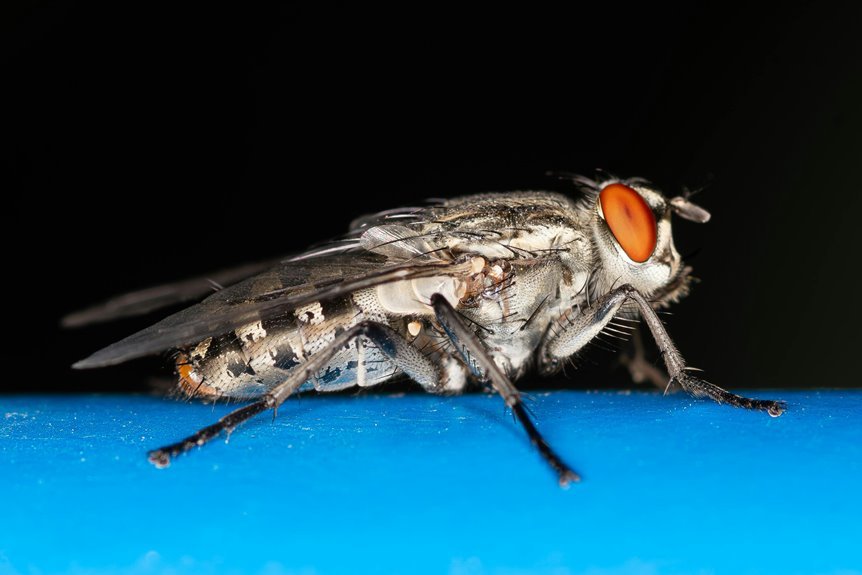
Eliminate bathroom gnats in 7 steps: First, identify whether you’re dealing with fuzzy drain flies or slender fungus gnats—they need different approaches. Flush boiling water weekly down drains to disrupt their breeding grounds. Clear trash regularly and dry all wet surfaces immediately. Set vinegar traps to catch adults. Fix overwatered plants by letting soil dry between waterings. Run your exhaust fan 20–30 minutes after showers to control moisture. Maintain this routine consistently, and you’ll notice results within days.
Identify Your Gnat Type (Drain Flies vs. Fungus Gnats)
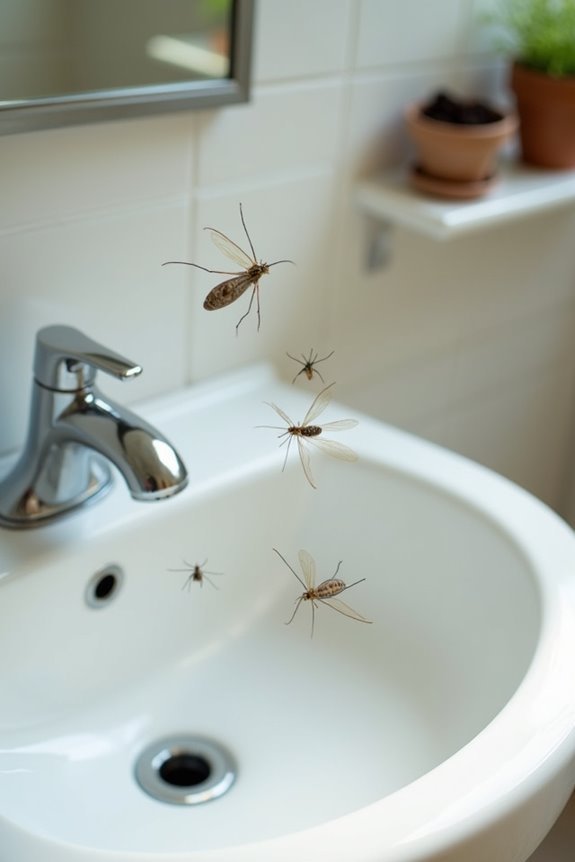
If you’ve spotted tiny flying insects in your bathroom, you’re probably wondering what they are—and that’s actually your first step toward getting rid of them.
Proper control starts with accurate identification. Drain flies are fuzzy, moth-like insects with hairy wings that hover around damp drains and P-traps where they breed in biofilm and gunk. Fungus gnats, by contrast, are black and slender-winged, preferring damp plant soil and indoor flying spaces near moisture.
Here’s what helps distinguish them: drain flies cluster near bathtubs and sinks, while fungus gnats congregate around houseplants. Check your bathroom’s moisture sources—standing water in pipes attracts one type, overwatered plant soil attracts the other.
Once you’ve identified which indoor flying insects you’re battling, you’ll know exactly where to focus your elimination efforts.

TARGETS DRAIN INSECTS: Advanced TERRO drain insect killer foam with 3 insect growth regulators disrupts cockroach and drain fly life cycles, breaking infestation patterns for comprehensive pest control in drains and pipes

A Natural Fruit Fly Solution: Our non-toxic gel formula is safe for use around food and anywhere in the home, kitchen, bar, or restaurant.

Targets and eliminates these common household pests in sinks, showers, floor drains, and garbage disposals. Disrupts the fly lifecycle to stop infestations before they spread.
Flush and Clean Drains Where Gnats Breed
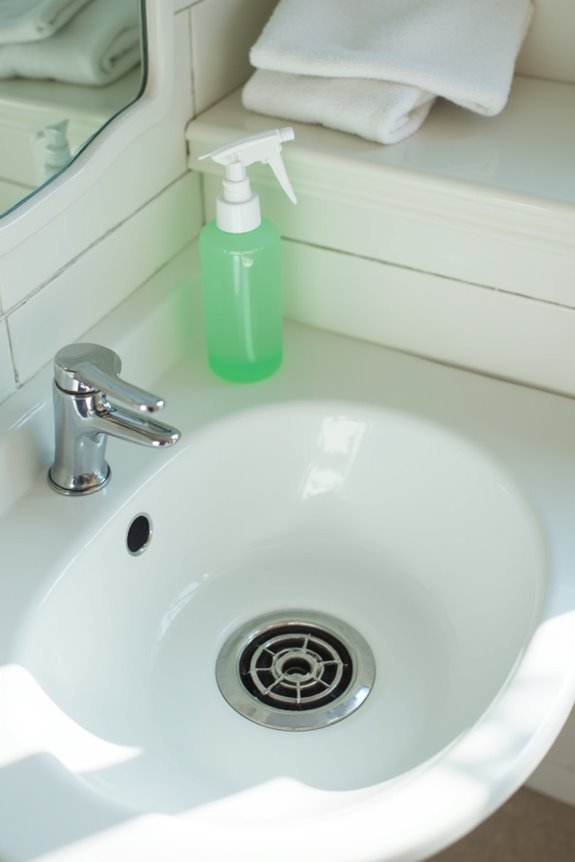
I’ve found that the drains in my bathroom are basically ground zero for gnat infestations, so we need to attack them directly with two powerful methods. You’ll start by flushing your drains with boiling water daily for several days—this kills the larvae and biofilm where eggs hide—and then follow up with the baking soda and vinegar combo, which creates a fizzing action that breaks down the organic buildup where gnats thrive. Together, these techniques disrupt their entire breeding cycle right where it starts.
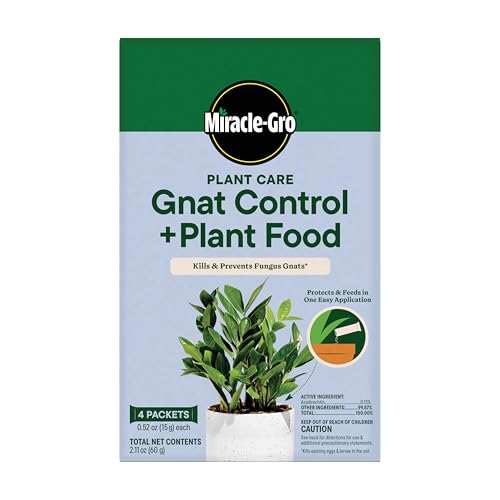
Fungus Gnat Control and Plant Food: Miracle-Gro Plant Care Gnat Control + Plant Food kills and prevents pesky fungus gnats (kills existing eggs and larvae in soil) while also providing your plants with the vital nutrients they need to thrive

Protect plants from insect damage with Systemic Houseplant Insect Control Granules from Bonide; this product is a low odor ready-to-use solution for containerized plants

GNAT CONTROL FOR INDOOR PLANTS: This bundle includes our natural plant bug spray and 12 gnat sticky traps for plants; this powerful gnat spray for indoor plants kills fungus gnats, spider mites, and fruit flies; use it with our sticky traps for enhanced pest control, ensuring thorough coverage and effective elimination of bugs and pests in your home and garden; it's the perfect solution for getting rid of fruit fly and fungus gnats (please contact us if the traps are missing and we will send a replacement)
Daily Boiling Water Flush
I boil a kettle and pour hot water directly down each drain for several consecutive days. This disrupts eggs and larvae in those larval habitats while reducing food residue and bacteria buildup where drain flies and fungus gnats thrive.
To enhance results, pair this with a baking soda and vinegar cycle for better descaling and biofilm removal. After 5–7 days of tracking gnat sightings, you’ll notice a significant decrease.
Important note: Avoid boiling water on septic systems or delicate pipes—consult a professional first if you’re uncertain about your plumbing.
Vinegar And Baking Soda
Why do drain treatments work better when you combine two humble pantry staples?
I’ve discovered that baking soda and white vinegar create a powerful fizzing reaction that breaks down biofilm—the slimy layer where bathroom gnats breed. Here’s my drain flushing method:
The Process:
- Pour 1/2 cup baking soda down the drain
- Follow with 1 cup white vinegar
- Watch it fizz for 15 minutes
- Flush with hot water
This combination dissolves organic buildup more gently than harsh chemicals, yet tackles the problem effectively. Unlike enzyme cleaners alone, this approach physically dislodges debris where gnats thrive. I’ve noticed that combining drain flushing with regular surface cleaning removes additional food sources. The result? Fewer gnats breeding in standing water and organic matter. This cleaning routine becomes easier once you establish it.
Clear Bathroom Trash and Dry All Wet Surfaces
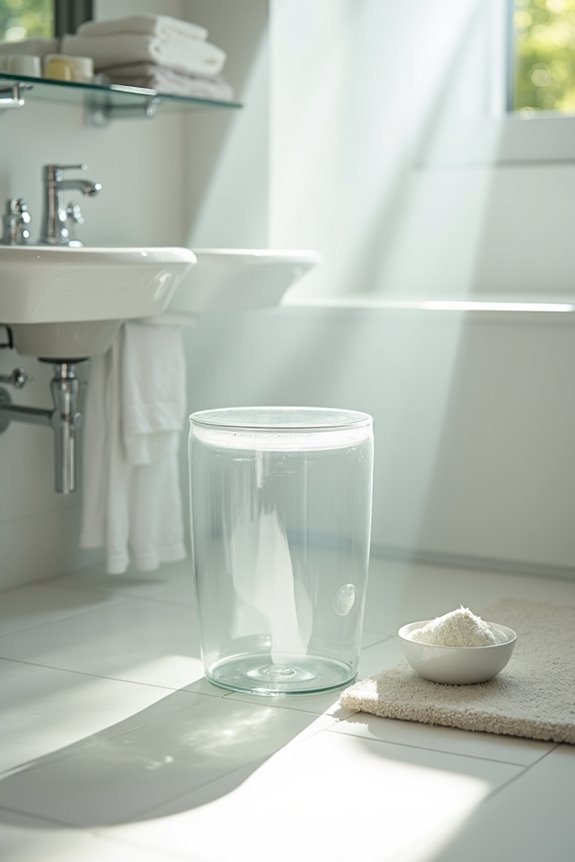
I’ve found that gnats thrive where I leave things damp and cluttered, so I’m tackling three key areas: removing the organic waste they feast on in my trash bin, eliminating standing water that accumulates around my sink and shower, and improving airflow to reduce the humidity they love. By emptying my bathroom trash regularly, sanitizing the bin itself, and wiping down every wet surface—including that sneaky moisture behind my shower tiles—I’m cutting off their food supply and breeding grounds simultaneously. Better ventilation through opening a window or running my exhaust fan helps dry things faster, which disrupts the moist environment gnats need to survive and multiply.

Refrigerator Water Line Cleaner Kit: Refrigerator drain cleaning tool not only is it used for fridge water line cleaner, be used for water dispenser cleaner, aquariums, filtration systems, long tube brush cleaner hose/glass tubes clog, and even complex drain hole cleaner with ease.

Safe For All Pipes: Operates effectively within 40-80 PSI water pressure range, ensuring controlled expansion to protect plumbing pipes during powerful unclogging action on shower drains, sinks, and main lines.
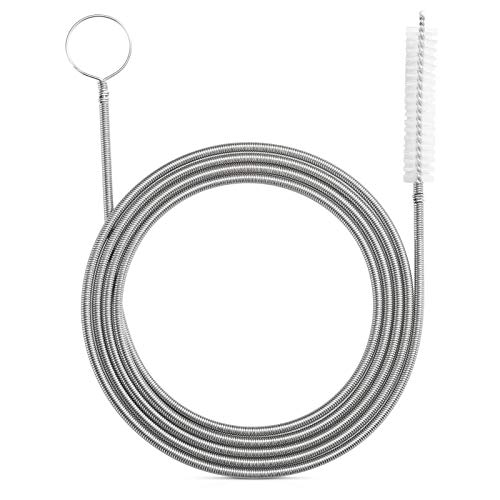
61 Inch/155cm Long with 5CM X 1CM Diameter Bristle Head.
Remove Organic Waste Sources
Think of your bathroom like a gnat’s all-you-can-eat buffet—and right now, you’re probably leaving out the spread.
Gnats thrive on organic waste hiding in plain sight. Damp towels, wet washcloths, and moisture sources create perfect breeding grounds. Remove these items immediately and dry all surfaces thoroughly.
| Problem Area | What Attracts Gnats | Your Action |
|---|---|---|
| Bathroom drains | Biofilm buildup | Boiling water flush |
| Trash bins | Organic waste | Secure lids daily |
| Wet surfaces | Moisture sources | Dry completely |
Clear your bathroom trash regularly with tight lids. Flush drains with boiling water, then use baking soda vinegar to disrupt biofilm. Check for leaks and condensation—these moisture sources fuel gnat populations. When you eliminate their food sources, you reclaim your bathroom from these persistent pests.
Eliminate Standing Water Buildup
Eliminate Standing Water Buildup
Because gnats need moisture to survive and reproduce, standing water and damp surfaces provide ideal breeding conditions in your bathroom.
Check for Hidden Leaks
Inspect under sinks and around fixtures first. Even tiny leaks create perfect breeding grounds. Check your P-traps—those curved pipes under drains—since they’re common problem areas. Fix any leaks promptly to remove moisture sources gnats depend on.
Dry Everything Thoroughly
Wipe down sinks, counters, and baseboards after use. Don’t let damp surfaces sit; gnats thrive in wet environments. Hang wet towels properly so they dry completely.
Reduce Bathroom Humidity
Run your exhaust fan after showers to lower humidity levels. If moisture persists, consider a dehumidifier. These tools create conditions where gnats cannot thrive, protecting your bathroom from future infestations.
Improve Air Circulation Methods
While controlling moisture is half the battle, you’ll also need to clear out the things that attract gnats in the first place. I’ve learned that bathroom ventilation makes a real difference in gnat prevention.
Your Air Flow Action Plan:
- Turn on your bathroom fan during and after showers to reduce humidity levels
- Open a window when weather permits, allowing fresh air to circulate throughout the space
- Leave the fan running for 20-30 minutes post-shower for optimal moisture control
- Keep bathroom doors open between uses to encourage air movement
These simple steps create an environment where gnats can’t thrive. Better air circulation dries surfaces faster, eliminating the damp conditions they love. You’re making your bathroom inhospitable to these pests while creating a fresher space for yourself.
Set Up Traps to Catch Adult Gnats
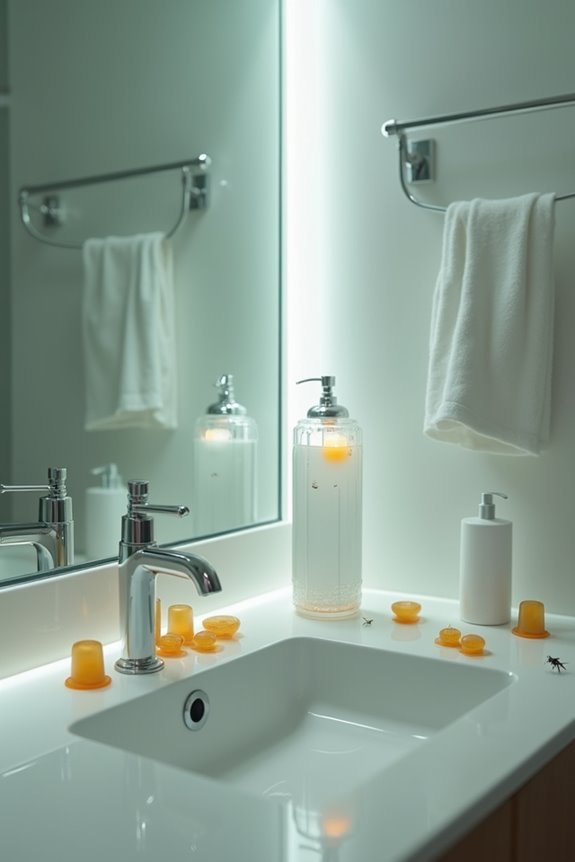
Several trap options will help you capture the gnats that are already flying around your bathroom, which is the most satisfying part of fighting this battle.
I’ve found these approaches work best:
- Apple cider vinegar trap – Mix vinegar with dish soap in an uncovered dish. The scent attracts adult gnats while soap reduces surface tension, causing them to drown.
- Plastic wrap trap – Fill a jar with apple cider vinegar, cover it with plastic wrap, then punch small holes. Gnats enter easily but can’t escape.
- Yellow sticky traps – Place these near drains and damp environments for continuous monitoring of gnat populations.
These methods target adult gnats actively, giving you control over bathroom pest management. I recommend rotating trap types to see which works best in your space.

A HOUSEHOLD CLASSIC: This bulk 7 lb resealable bag of ARM & HAMMER Baking Soda unlocks 100+ uses across your home—from kitchens and laundry rooms to crafting tables and beyond
A HOUSEHOLD CLASSIC: Pack of 12 x 1 lb boxes of ARM & HAMMER Baking Soda unlocks 100+ uses across your home—from kitchens and laundry rooms to crafting tables and beyond
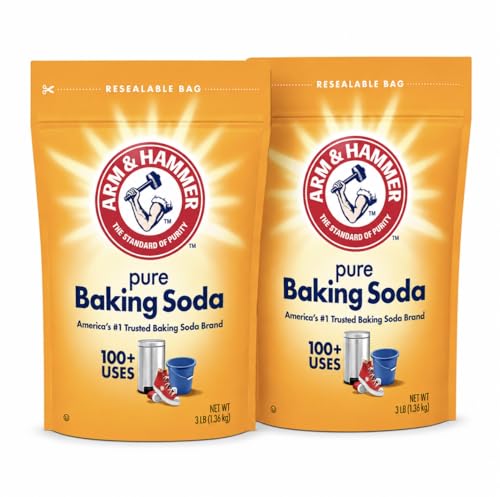
Pure Baking Soda: This 3-pound bag contains 100% pure sodium bicarbonate, providing a versatile household essential that serves multiple purposes from your kitchen to your cleaning routine without any additives or fillers
Fix Overwatered Bathroom Plants
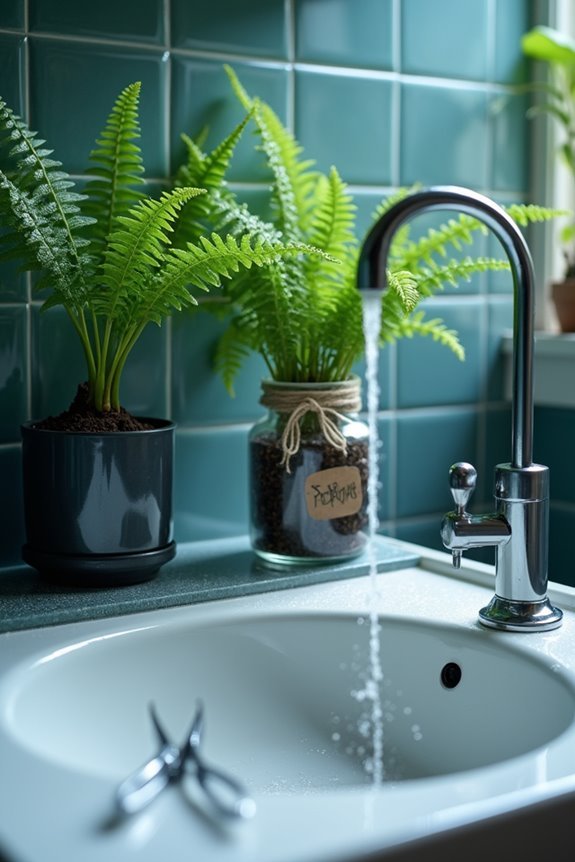
One of the easiest ways to invite gnats into your bathroom is by keeping your plants too wet. I learned this the hard way—my overwatered plants became a gnat breeding ground before I realized what was happening.
Check your soil regularly. Feel the top 1–2 inches; if it’s consistently wet, you’ve found your problem. Let it dry between waterings.
Upgrade your potting mix. Add a top layer of coarse sand or perlite for better drainage. This simple addition deters gnats from laying eggs while improving moisture control.
Install proper drainage holes in every pot and use well-draining soil. Stagnant water around roots feeds fungus that fungus gnats love.
If drying soil seems slow, replace it entirely or move plants temporarily. Breaking the gnat life cycle requires eliminating that persistent moisture.

Dual-Fan High-Efficiency Ventilation : Delivers powerful 240 CFM airflow to quickly remove damp air, radon, and odors—keeping crawl spaces, basements, attics, garages, laundry rooms, and bathrooms dry and healthy. Ideal for crawl space vent fans and crawlspace fans.

Powerful Airflow: Delivers strong airflow up to 130 CFM, efficiently enhancing ventilation and removing exhaust; Ideal for grow tents, greenhouses, basements, bathrooms, kitchens, attics, and workshops

BATHROOM EXHAUST FAN: This premium bathroom exhaust fan operates at 110 CFM at 1.5 sones for a super quiet yet highly effective performance each time, so you won't need to worry about background noises interrupting your music. Our bathroom exhaust fan will help control air quality in rooms up to 110 square feet. The fan is powerful enough to reduce humidity in your bathroom as well as eliminate moisture and unpleasant odors.
Improve Ventilation to Control Moisture
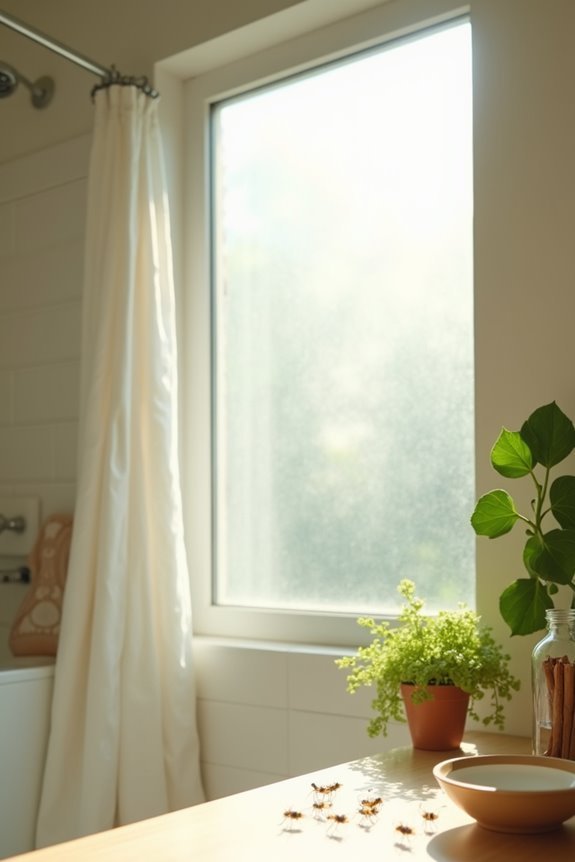
How much time does your bathroom exhaust fan actually run?
How much time does your bathroom exhaust fan actually run? Consistent ventilation is your first line of defense against moisture-loving gnats.
I’ve realized that bathroom ventilation helps control gnats. When I turn on that fan during and after showers, I’m actively reducing humidity—the warm, moist environment that drain flies and fungus gnats prefer.
Here’s what I do to improve my bathroom airflow:
- Run the exhaust fan for 20-30 minutes after each shower to eliminate moisture trapped in P-traps and pipes
- Keep the fan running during baths to prevent damp towels from creating breeding grounds
- Install a humidity sensor that automatically activates ventilation when moisture climbs above 50%
Consistent moisture control makes your bathroom less hospitable to gnats. Better ventilation improvements mean fewer bathroom odors too. I’ve noticed that humidity reduction is key for eliminating these pests permanently.
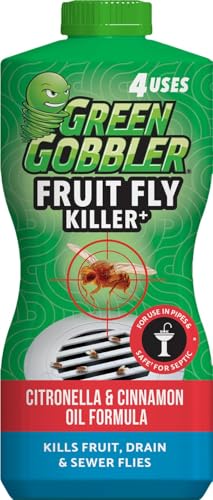
KILL FRUIT, DRAIN & SEWER FLIES: Get rid of the fly infestation and get back to enjoying your space. Green Gobbler's thick gel formula clings to pipes to eliminate annoying drain fly infestations. It kills fruit flies, drain flies and sewer flies.
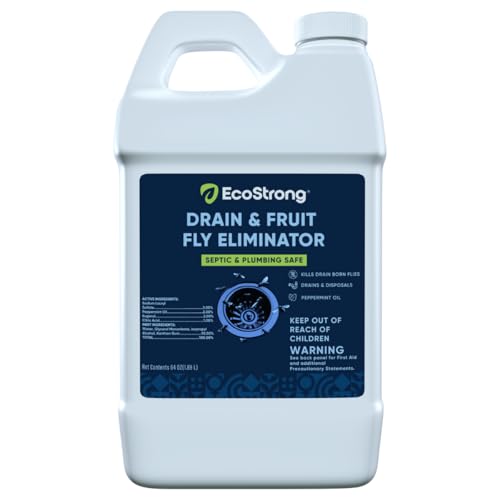
A Natural Fruit Fly Solution: Our non-toxic gel formula is safe for use around food and anywhere in the home, kitchen, bar, or restaurant.

KILL FRUIT, DRAIN & SEWER FLIES: Get rid of the fly infestation and get back to enjoying your space. Green Gobbler's thick gel formula clings to pipes to eliminate annoying drain fly infestations. It kills fruit flies, drain flies and sewer flies.
Run Weekly Drain Maintenance to Prevent Gnat Return
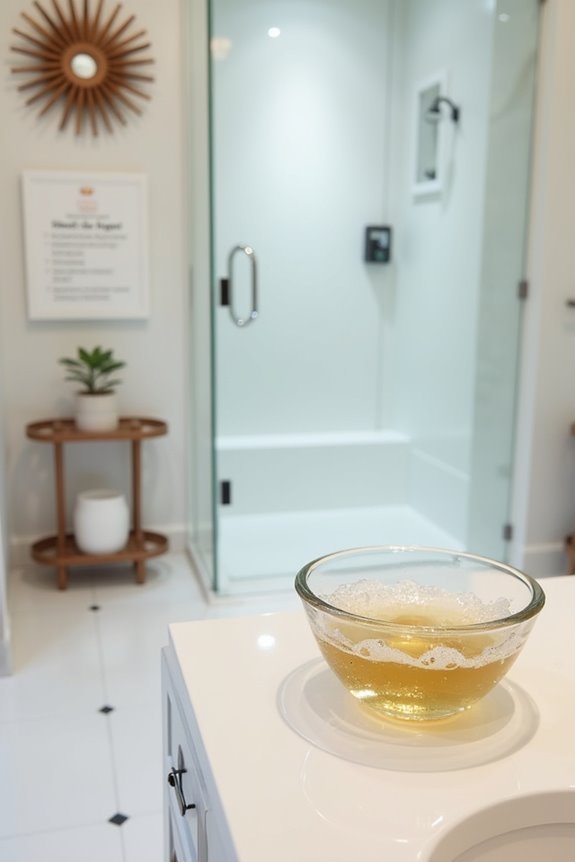
When I finally started flushing boiling water down my bathroom drains weekly, I noticed the gnats disappeared faster than they ever had before. This simple routine disrupts gnat larvae and eliminates organic buildup where they thrive.
Here’s my approach: I boil water, then carefully pour it down each drain. The heat breaks apart biofilm—that slimy layer gnats love. Monthly, I enhance this with a vinegar-baking-soda flush, which creates fizzing action that cleans deeper.
For stubborn buildup, I use an enzymatic drain cleaner. These non-chemical options break down organic matter safely, avoiding harsh chemicals that damage pipes.
Combine drain maintenance with moisture control—fix leaks and dry damp areas. Together, they prevent gnat recurrence and keep your bathroom healthy.
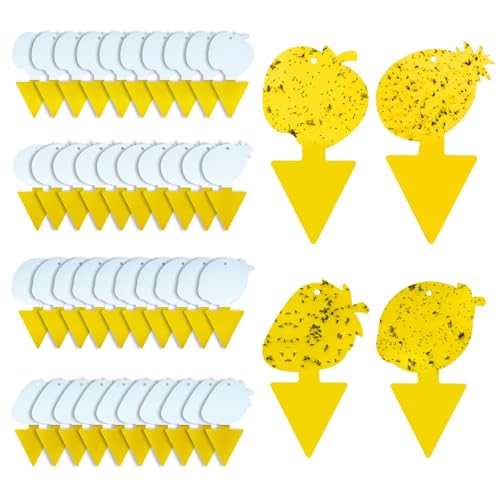
Powerful Insect Control: Effectively captures fruit flies, gnats, whiteflies, aphids, midges, and other small flying pests using bright yellow color and extra-sticky glue.

[Catches Gnats, Fruit Flies, Whiteflies And More] Yellow sticky traps with top-grade adhesive grab fungus gnats, aphids, fruit flies, thrips, and whiteflies on contact from both faces. Place each card at soil level near drainage holes for fastest results; most buyers report a covered surface within 24 hours. Works for indoor plants and outdoor gardens.

[Catches Fungus Gnats & Flying Pests On First Contact]: Super-sticky, double-sided adhesive intercepts gnats, fruit flies, whiteflies, aphids, thrips, and midges the instant they land - on both sides at once, with no bait or batteries. Reviewers across kitchens, bathrooms, and plant rooms report catches beginning within hours of first placement.