Yes, birch burns well if it’s properly seasoned. Kiln-dried birch ignites within minutes thanks to its resin-rich, papery bark. It produces bright, hot flames and decent heat output around 20-27 million BTUs per cord depending on species. The downside? Wet birch smolders and creates dangerous creosote buildup. You’ll want moisture below 20%, achieved through 6-12 months air-seasoning or immediate kiln-drying. Mixing birch with denser woods like oak extends burn time significantly, maximizing your fireplace’s warmth and efficiency.
What Makes Birch a Popular Fireplace Wood?
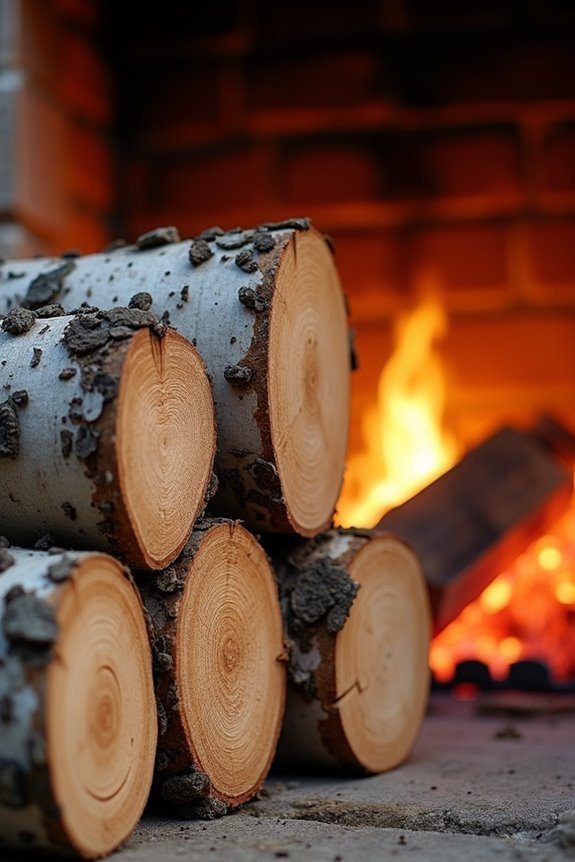
Why do so many people reach for birch when they’re stacking firewood for the season? I’ve found that birch firewood delivers what most of us want: reliable performance without excessive fuss.
Key advantages include:
- Quick ignition: The resin-rich bark acts as a natural firestarter, so I’m lighting fires faster than with other woods
- Bright flame: That cheerful glow provides ambiance while delivering moderate heat output
- Easy splitting: I appreciate how readily birch splits compared to denser hardwoods
- Low moisture options: Kiln-dried birch reaches ideal burning conditions immediately, eliminating the typical seasoning wait
While birch burns faster than oak or hickory, requiring more frequent reloads, it’s optimal when you want quick warmth without complicated preparation. That accessibility makes it popular among fireplace users.

Premium Quality Firewood: Our kiln-dried firewood logs are perfect for any use, whether you need oak firewood, birch firewood, or cherry firewood. Delivered straight to your door, these logs are ideal for fireplaces, fire pits, and wood stoves.

The Wilson firewood box is made with convenience and ease of use in mind. Shipped right to your doorstep, making obtaining firewood a breeze. Packed and easy to handle, this product is perfect for locations that may be difficult to obtain or bring firewood to
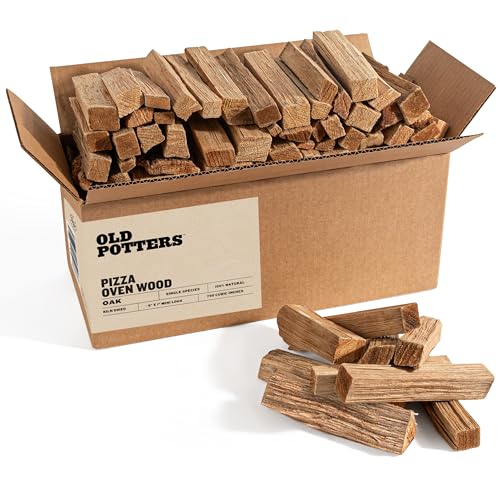
USDA Certified Kiln Dried: Our pizza oven wood is rigorously certified by the USDA, guaranteeing the highest quality and safety standards for your cooking needs.
How Hot Does Birch Burn Compared to Other Hardwoods?
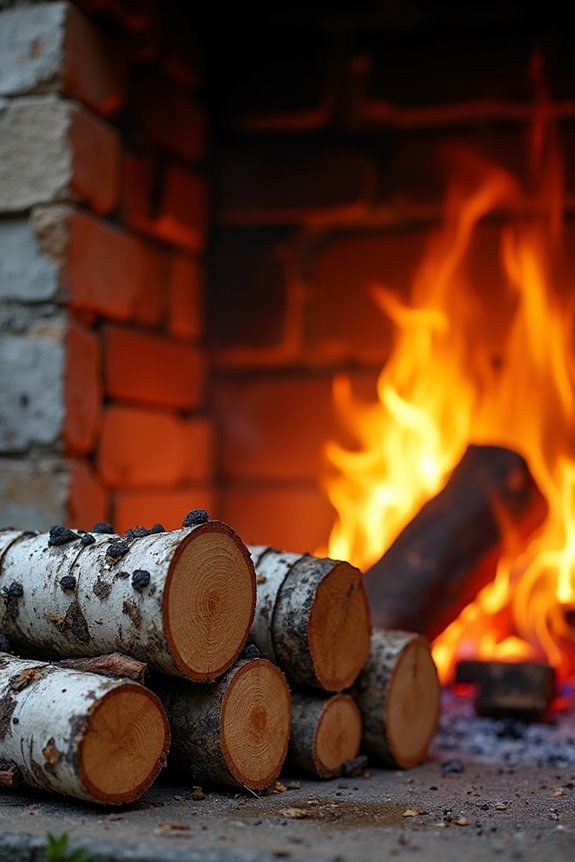
You’re looking at moderate to high performance compared to other hardwoods. Birch firewood delivers solid burn temperatures, though it won’t quite match oak or hickory’s density. Black Birch leads the pack with 26.8 million BTUs per cord, while Yellow Birch offers 21.8, and White Birch provides 20.2.
| Wood Type | BTUs per Cord | Burn Speed |
|---|---|---|
| Black Birch | 26.8 million | Moderate |
| Yellow Birch | 21.8 million | Faster |
| White Birch | 20.2 million | Faster |
What matters: kiln-dried birch burns hotter and cleaner than seasoned wood because lower moisture content means faster heat release. Birch generally burns quicker than denser hardwoods, requiring more frequent reloading. Properly seasoned birch below 20% moisture content produces clean burning without excessive smoke.
Includes 1 regular size box (16"x 12"x 8") containing natural split and seasoned firewood, ranging from 1 to 3 inches in diameter, weight varies per box
The Wilson firewood box is made with convenience and ease of use in mind. Shipped right to your doorstep, making obtaining firewood a breeze. Packed and easy to handle, this product is perfect for locations that may be difficult to obtain or bring firewood to

Premium Quality Firewood: Our kiln-dried firewood logs are perfect for any use, whether you need oak firewood, birch firewood, or cherry firewood. Delivered straight to your door, these logs are ideal for fireplaces, fire pits, and wood stoves.
Why Wet Birch Smokes and Creates Creosote: The Moisture Problem
I’ve learned that when birch wood contains excessive moisture—anything above 20%—it burns inefficiently, releasing thick smoke and depositing creosote, a flammable tar-like substance, inside your chimney. You’ll notice green or wet birch smolders rather than ignites, wasting energy as it struggles to combust the water trapped in the wood fibers. The solution is straightforward: properly season your birch for 6–12 months so it dries to safe moisture levels, which prevents these dangerous accumulations and gives you the hot, clean burn you need.

【WIDE USE WOOD MOISTURE TESTER】 Integrated electrode pins, electrode length: 10mm (0.4") , this pin type digital moisture meter is perfect for wood, firewood, logs, cardboard, paper, etc

All-in-One Moisture Meter for Home & Projects: Our moisture meter is a versatile tool for moisture accumulation prevention, leak detection, and material testing. It quickly identifies high humidity areas to prevent moisture-related issues and detects hidden moisture in drywall, wood, and concrete. With a 10mm probe and full-length needle sensing, this moisture detector ensures accurate readings even through dry outer layers. Suitable for home inspections, renovations, and woodworking

Wide measuring range:0~99.9%;Accuracy:± 0.5%,resolution:0.1%
Moisture Content And Smoke
When birch wood contains too much water, it becomes a heat-stealing, smoke-producing problem for your fireplace.
Birch moisture directly impacts your burn quality. Wet or green birch struggles to ignite properly, smoldering instead of burning cleanly. Here’s what happens:
- Excess moisture forces your fire to waste energy evaporating water rather than producing heat
- Incomplete combustion creates thick smoke that deposits dangerous creosote buildup in your chimney
- High moisture content (above 20%) prevents proper flames and consistent temperature
- Air-dried birch takes 6–12 months to season adequately for reliable performance
Kiln-dried birch delivers faster results with lower moisture levels and immediate smoke reduction. Properly seasoned wood—whether air-dried or kiln-processed—burns hotter and cleaner. You’ll notice the difference: less creosote, better draft, and genuine warmth from your fireplace.
Creosote Buildup In Chimneys
The moisture problem doesn’t stop at your fireplace—it travels straight up your chimney. When you burn green birch or improperly seasoned wood, excessive creosote accumulates on your chimney walls. This sticky, flammable residue forms because wet wood produces more smoke, and that smoke contains unburned particles that condense as it cools.
| Wood Type | Moisture Content | Creosote Risk | Recommendation |
|---|---|---|---|
| Green Birch | 50%+ | Very High | Avoid completely |
| Air-Seasoned Birch | 15-20% | Low | Good choice |
| Kiln-Dried Birch | 10-15% | Very Low | Best option |
| Wet Birch | 40%+ | Extreme | Dangerous |
Seasoned birch reduces moisture to under 20%, enabling cleaner burns with minimal chimney buildup. Kiln-dried birch offers superior results. Proper seasoning and smoke control protect your chimney from dangerous fires and costly cleaning.
How to Properly Season Birch: Timeline and Stacking Method
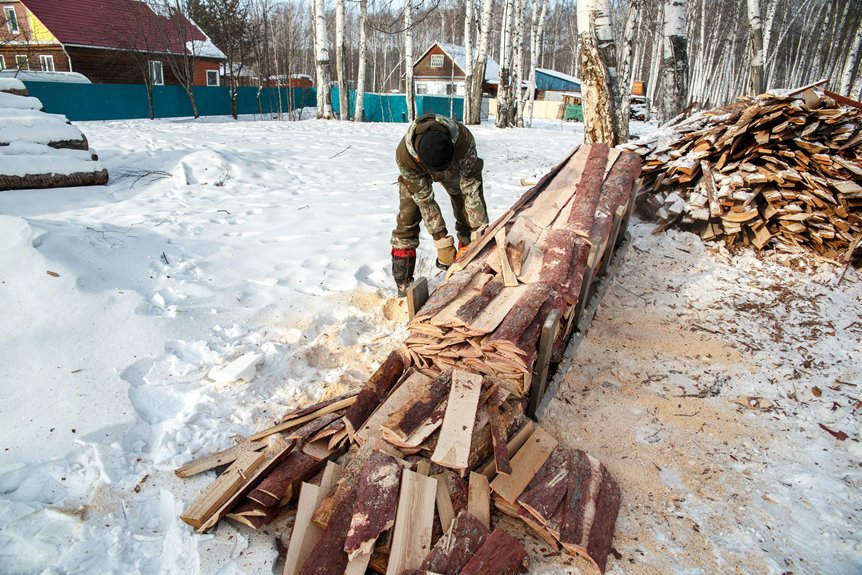
To get your birch ready for the fireplace, you’ll want to split those logs right after cutting them—this makes the whole seasoning process faster and more even. Here’s the timeline you’re working with: plan on 6 to 12 months of air-drying before your birch reaches ideal moisture content below 20%, which is when it’ll burn clean and hot without all that smoky creosote buildup. The approach lies in your stacking method—keep those split logs off the ground in a dry, well-ventilated cord where air can flow all around them, preventing rot and speeding up the drying process.

Perfect for Fireplace or Fire pit - Nine life sized ceramic gas logs that won't leave your fireplace looking bare

Perfect for Fireplace or Firepit - Six life sized ceramic gas logs that won't leave your fireplace looking bare

System Upgrade: This log fireplace heater delivers up to 1500W of power and utilizes quartz tube infrared heating technology to help heat the room quickly, providing you with extensive and comfortable heating on cold days.
Split Birch Immediately After Cutting
Splitting your birch logs right after you fell them is one of the smartest moves you can make for seasoning success. When you split birch immediately, you’re exposing fresh wood surfaces that’ll dry much faster than whole logs ever could. This head start reduces your birch seasoning time and helps prevent internal rot that can ruin entire logs.
Here’s why splitting matters for your air-dried birch:
- Exposes interior wood for faster moisture content reduction
- Prevents fungal growth and decay in the log’s center
- Enables cleaner burn performance sooner in the season
- Reduces creosote buildup through improved drying efficiency
Fresh-split birch dries quicker because water escapes from multiple surfaces simultaneously. You’ll notice visible wood grain changes as moisture leaves, signaling progress toward that below-20% moisture content benchmark for optimal heat output.
Optimal Six To Twelve Months
How long should you actually wait before burning your birch wood? I’ve learned that birch seasoning takes patience—typically six to twelve months—but this investment pays off with real results.
During the seasoning period, you’re accomplishing something important: reducing moisture content below 20%. This threshold changes how your fire performs.
Why this timeline matters:
- Better ignition and quicker catches
- Increased heat output when you need warmth most
- Dramatic creosote reduction in your chimney
- Improved overall burn quality
Air-dried birch achieves these results naturally when stacked properly with good airflow. I’ve noticed the difference between wood seasoned six months versus twelve—the longer wait produces noticeably hotter, cleaner burns.
If you’re impatient, kiln-dried birch skips this waiting period entirely, offering immediate readiness with moisture levels already at a favorable level.
Proper Stack Ventilation And Placement
Getting your birch to that six-to-twelve-month sweet spot depends entirely on where and how you stack it. I’ve learned that proper stack ventilation produces better results between mediocre firewood and exceptional fuel.
Your birch seasoning strategy should include:
- Elevating stacks on raised racks or pallets to prevent ground moisture from creeping upward
- Positioning wood off-ground in a dry storage location shielded from rain but exposed to wind
- Creating log gaps between pieces—tight stacking without crushing allows adequate air flow
- Ensuring consistent air circulation around each log’s entire surface
The key is maintaining steady drying conditions. When you arrange wood with intentional spacing, moisture content drops reliably below 20%, producing that clean, bright burn you’re after. I’ve watched unseasoned birch sputter and smoke—proper stack ventilation prevents that frustration entirely.
Birch Ignition and Flame Quality: What to Expect
Why does birch seem to catch fire so easily compared to other woods? The answer lies in birch’s unique bark structure—that papery outer layer acts as a natural firestarter, enabling quick ignition even when conditions aren’t perfect. Kiln-dried birch ignites faster than most alternatives, giving you reliable flame quality within minutes.
| Birch Type | BTUs per Cord | Burn Duration |
|---|---|---|
| Black Birch | 26.8 million | Longest |
| White Birch | Lower | Moderate |
| Yellow Birch | Lower | Moderate |
When seasoned birch drops below 20% moisture content, you’ll experience a clean burn with minimal creosote buildup. The flames burn bright and hot, though birch does burn faster than denser hardwoods like oak. That’s actually convenient—you’ll enjoy quick warmth without excessive smoke or unpleasant odors.

REDUCES CREOSOTE BUILDUP: Actively dries out and neutralizes dangerous creosote and tar deposits in your chimney to prevent chimney fires. Trusted to protect chimneys for over 25 years.
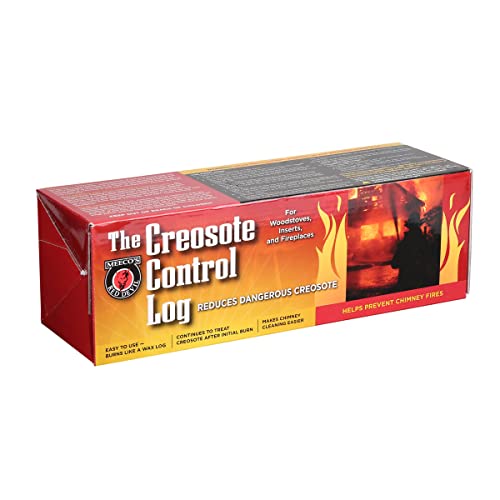
CREOSOTE CONTROL LOG – 3 LB – A simple, effective way to help keep your chimney safer and cleaner with every burn.
Which Birch Species Burn Best in Your Fireplace?
Not all birch species deliver the same fireplace performance, and knowing which ones burn best can improve your heating experience.
Black Birch stands out as the superior choice for your fireplace. Here’s what makes it exceptional:
- Black Birch produces approximately 26.8 million BTUs per cord—significantly higher than White Birch’s 20.2 million BTUs
- Its superior density means longer burn times, so you’ll reload less frequently
- Kiln-dried Black Birch ignites easier and burns hotter than seasoned alternatives
- White Birch works acceptably, though it burns faster and generates less heat overall
When you’re selecting firewood, choosing Black Birch seasoned or kiln-dried provides reliable, efficient heating. Your fireplace will deliver consistent warmth and minimal frustration throughout winter.

Perfect: Tiny splits measure approximately 5 inches long and .5-2 inches wide. Ideal for cooking in ooni pizza oven, gozney roccbox, solo stove pizza oven, and heating with mini solo stove.

Premium Kiln-Dried Oak Firewood: Crafted from meticulously kiln-dried oak, our mini pizza oven wood guarantees superior quality and unrivaled burning efficiency, ensuring an authentic wood-fired taste with every dish.

Premium Quality Firewood: Our kiln-dried firewood logs are perfect for any use, whether you need oak firewood, birch firewood, or cherry firewood. Delivered straight to your door, these logs are ideal for fireplaces, fire pits, and wood stoves.
How to Extend Birch Burn Time by Mixing With Denser Woods
Combine birch with hardwoods like oak or elm for a fireplace strategy that plays to each wood’s strengths. Birch’s quick ignition paired with oak’s sustained heat output creates an effective burn time extension. Here’s why it works: birch catches fire instantly thanks to its bark, while denser woods like hickory burn slower and hotter, keeping coals glowing longer.
The Winning Mix
- Start with seasoned birch (below 20% moisture) for reliable quick ignition
- Layer in oak or elm pieces to extend heat output
- Combine approximately 60% denser wood, 40% birch for balanced performance
This blended approach maximizes your fireplace efficiency, letting you enjoy birch’s easy lighting without sacrificing the sustained warmth denser hardwoods deliver. You get the benefits of both wood types in a single fire.

Natural White Birch Logs: Crafted from natural birch wood, The logs/branches are real pieces of wood,robust and with a beautiful, natural wood texture ,not fake logs or faux logs or trick of the eyes.
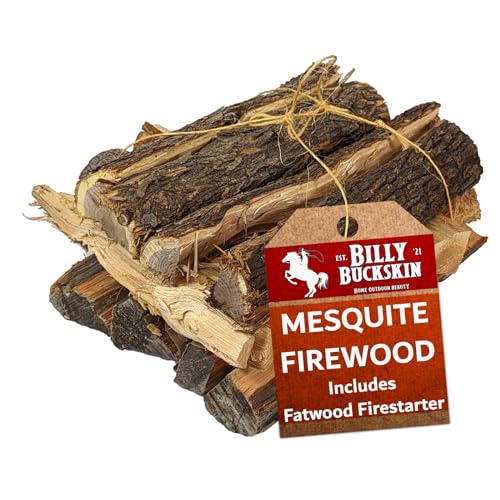
MESQUITE WOOD FOR BOLD FLAVOR & HEAT: This 18 LB mesquite firewood burns hot and long with a bold, smoky aroma. Ideal for grilling, campfires, fire pits, and wood stoves. A favorite hardwood for adding real BBQ flavor and strong, steady heat.

Large Diameter Birch Logs: Each Brich Log features a diameter ranging from 2.3 to 3.2 inches, 16.5"length, ensuring a substantial decorative impact and visual allure.Perfect fireplac decor choice!
Creosote Buildup, Rapid Burndown, and Sap Spitting: Common Birch Problems and Fixes
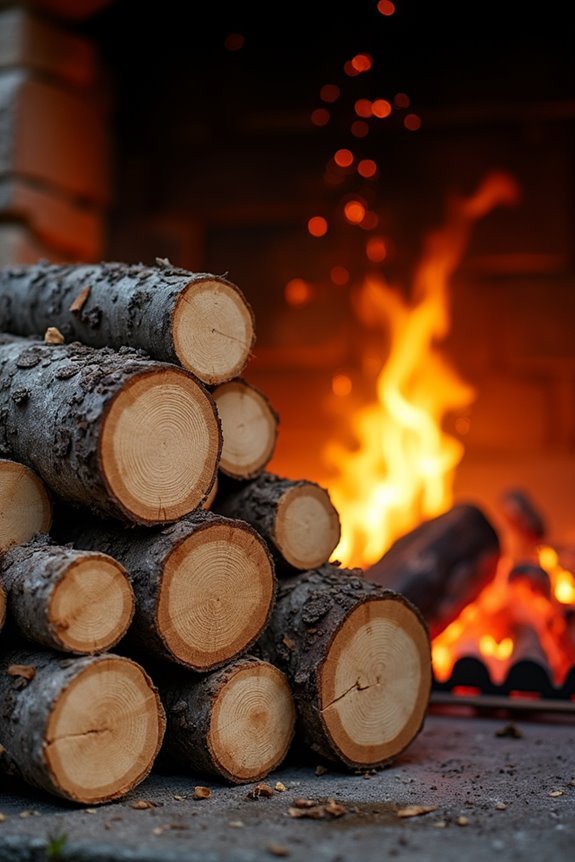
While mixing birch with denser woods solves the quick-burn problem, you’ll still face some specific challenges that come with burning birch. I’ve learned that understanding these issues helps you burn birch confidently and safely.
Common Birch Burning Challenges:
- Creosote buildup – Unseasoned birch creates excessive smoke, leaving dangerous deposits in your chimney; kiln-dried birch with proper seasoning below 20% moisture content reduces this risk.
- Rapid burndown – Birch’s lower density means faster fuel consumption, requiring frequent reloading for sustained heat.
- Birch sap spitting – Green wood contains moisture that causes popping and sparks; season wood properly for cleaner burn quality.
- Moisture problems – Unseasoned wood produces more smoke and creosote; invest in kiln-dried birch or season yours 6–12 months beforehand.

ENSURE PROPERLY SEASONED FIREWOOD: Burning wet or unseasoned wood leads to poor heat output and dangerous creosote buildup. The Woodeze Digital Firewood Moisture Meter, with its bold black and orange design, takes the guesswork out by providing quick and accurate readings, so you can burn clean and efficiently every time.

𝐀𝐜𝐜𝐮𝐫𝐚𝐭𝐞 & 𝐅𝐚𝐬𝐭: Povlen moisture meter uses advanced sensor technology and a smart chip for accurate moisture detection. It quickly measures moisture content with high-frequency waves and features a HOLD function for one-button recording

Fast & Accurate: The moisture meter measuring the moisture content in wooden materials between a range of 6 to 70% maximum, and building material measuring ranges of 0% to 15.2% maximum, you can get accurate up to ±2% (0.10% resolution) readings in 0.5 seconds
Where to Buy Quality Seasoned Birch for Your Fireplace?
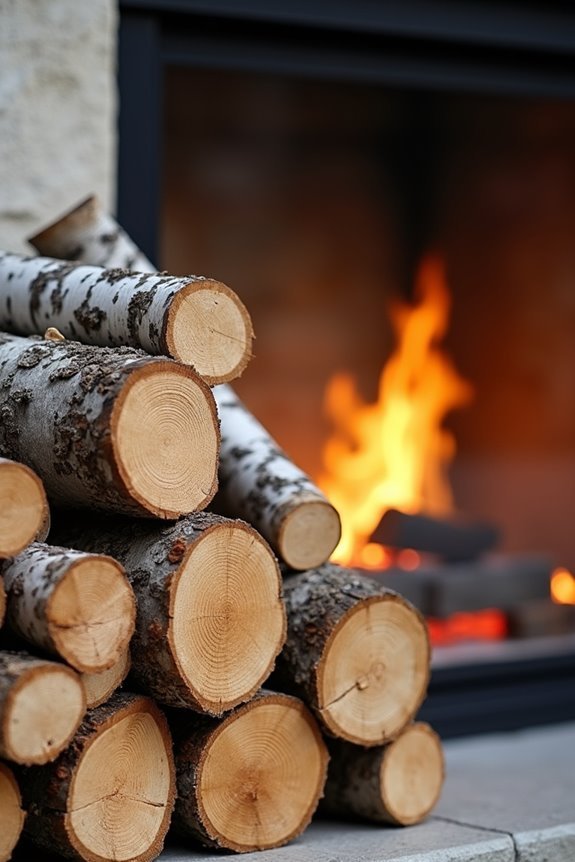
Where should you actually go to find birch that’s truly ready to burn?
Local firewood suppliers are your best bet. They understand your climate and can provide birch firewood with proper moisture content—below 20%, ideally 6–12 months seasoned. Ask questions about their storage methods; this matters tremendously.
Local firewood suppliers understand your climate and provide properly seasoned birch with moisture content below 20%.
Your sourcing options:
- Local arborists who’ve recently trimmed trees
- Established firewood supply yards
- Specialty retailers selling kiln-dried birch
Kiln-dried birch costs more upfront but eliminates seasoning delays. If you’re buying air-seasoned varieties, request documentation of seasoning duration. Inspect wood personally when possible—it should feel lighter, sound hollow when tapped.
Proper storage at home matters equally. Stack your seasoned birch off the ground, ensuring airflow reaches all sides. This investment in quality wood means you’ll burn cleaner, experience fewer wood stove issues, and enjoy reliable heat.

Ideal for Authentic Wood Fired Pizza: Savanna Heat pizza wood is perfect for creating the traditional, crisp, and smoky crust that every wood-fired pizza lover craves. Its unique ability to infuse a subtle smoke flavor enhances your pizza with a one-of-a-kind taste. Whether you're a professional pizza chef or a backyard enthusiast, Savanna Heat will elevate your pizza game to the next level, delivering crispy, perfectly cooked pies every time.

Only Use for Liquid propane fireplace**, delivering **36,000 BTU** with 99.9% efficiency**. Heats up to **1,000 sq. ft.** without vents or chimneys.

Outdoor Fun Unleashed: Old Wood's Piñon and Juniper Firewood transforms your backyard! Whether camping, having a BBQ, or hosting a special event, these logs aren't just firewood - they keep bugs away, set the mood, and bring warmth and light in a handy 70lb box.