
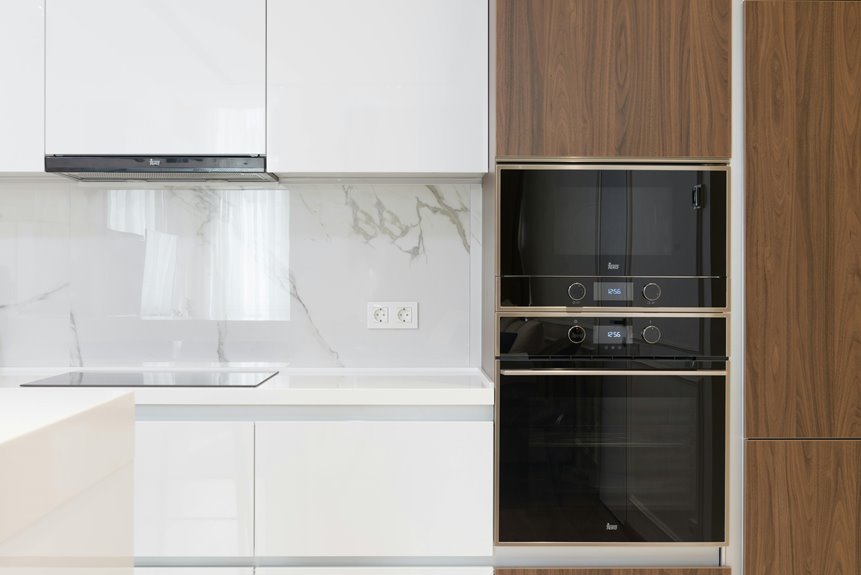
Microwave Wood Safely: Place your wood pieces (sized 3/4 to 1 inch thick) in a brown paper bag to contain moisture and debris. Set your microwave to 20% power—this prevents overheating and cracking. Run 30–60 second cycles with cooling breaks between them; I typically use 2–5 minute rests depending on cycle length. Weigh your wood every other cycle to track moisture loss, aiming for below 9% moisture content. Expect 15–20 total cycles for complete drying. Proper cycle timing and temperature control determine whether your wood dries successfully or splinters.
Why Microwave Wood Drying Works
The key to drying wood in your microwave comes down to moisture and heat working together. When you use microwave drying, the heat converts the water trapped inside your wood into steam. That steam gradually moves outward, escaping through the wood’s surface with each heating cycle.
Here’s what makes this method effective: Low to medium power settings prevent the moisture from boiling off too quickly, which would crack or char your wood. By opening the microwave door between cycles, you’re allowing that steam to release gradually instead of building up pressure inside.
This controlled moisture removal keeps your wood from warping or splitting. You’re managing the drying process rather than forcing it. That’s why wood drying through microwaves works so reliably.

Dries up to 8 bags at once

Elsjoy 2 pack bamboo drying racks come with 2 hexagonal bamboo bases & 24 removable sticks. Our reusable bamboo rack is an excellent alternative to plastic ones since it is both sturdy and recyclable.

✔️ MULTI-USE KITCHEN DRYING RACK - Designed for everyday versatility, this plastic bag drying rack can be used for plastic storage bags, water bottles, mason jars, tumblers, dish gloves, bibs, mittens, and small accessories, helping keep your kitchen items clean, organized, and ready for reuse.
Prepare Your Wood Before Microwaving
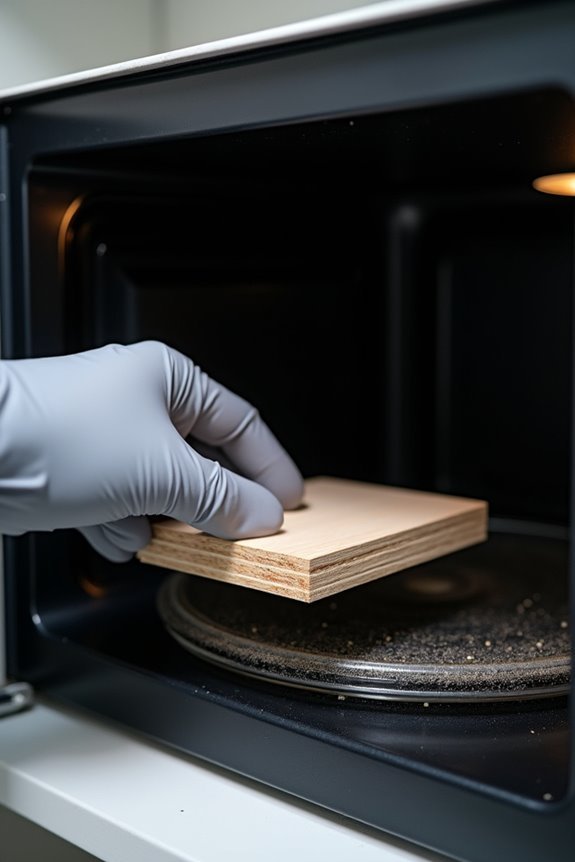
Before you pop your wood into the microwave, you’ll want to do some prep work—and I mean more than just wiping it off.
Size matters. I rough-turn my pieces to about 3/4 to 1 inch thick. This thickness lets heat penetrate evenly, preventing the burnt-outside-wet-inside scenario I’ve experienced.
Document your starting point. Weigh your wood and write down that number. You’ll track moisture loss later, which tells you when drying’s complete.
Contain the mess. I place my piece in a brown paper bag with optional wood shavings. This controls airflow and catches debris—microwave wood drying gets messy.
Seal those cracks. Using CA glue on pith cracks stops them from spreading during heating. I’ve learned this prevents problems later.

Instant & Accurate Readings – Measures up to 12mm deep for precise wood moisture results. Save readings with the convenient Hold function

Reliable Furniture Care: IMPRESA Water Mark Remover Wood Cleaner Spray rejuvenates and protects wooden furniture with ease. Its oil-based formula penetrates deeply, eliminating water marks and enhancing the natural beauty of wood surfaces
Select 20% Power for Safe, Even Drying
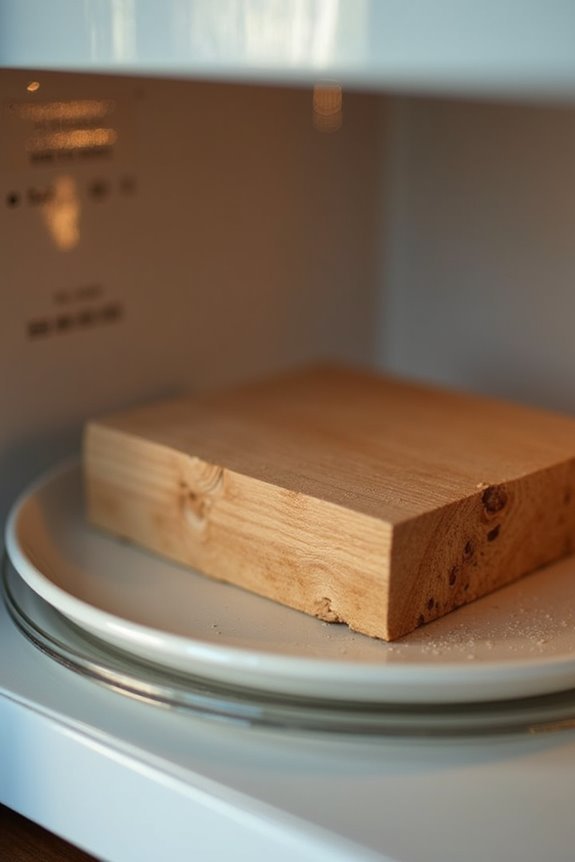
I’ve learned that setting your microwave to 20% power is an effective method for drying wood without turning it into a charred mess, and I’ll show you exactly why this low setting works better than using high power. You’ll want to consider both the power level itself and how long you run each cycle, since these two factors work together to control the heat your wood receives. Let me break down what matters most: the right power percentage and the timing that keeps your wood safe.

CRAKTH plastic bag drying rack is designed to dry gallon ziplock bags and freezer bags. If everyone insists on reusing plastic bags, it will not only reduce environmental...
Power Level Considerations
Why does power level matter so much when you’re drying wood in a microwave? The right power level prevents disaster. When I first tried drying wood, I jumped to high power and watched moisture literally boil inside the wood—a costly mistake.
Here’s what I’ve discovered works:
- 20% power prevents overheating while allowing moisture to escape gradually without cracking or charring the wood
- Short 30-60 second cycles give you control, letting you monitor drying progress between intervals
- Cooling breaks between cycles let the wood stabilize, distributing heat evenly throughout
I’d avoid defrost settings entirely; they’re unpredictable. Instead, I stick with 20% power consistently. This approach keeps the wood warm rather than hot, reducing crack risk significantly. You’re managing moisture escape, not racing it.
Cycle Timing and Temperature
How you time your microwave cycles matters just as much as the power level you choose. I’ve learned that patience with shorter intervals beats rushing through one long session. When I dry wood, I use 30-second to 1-minute cycles at 20% power, checking between each round to prevent overheating.
| Cycle Length | Temperature Range | Cooling Break | Best For |
|---|---|---|---|
| 30 seconds | 125–150°F | 2 minutes | Thin pieces |
| 45 seconds | 150–175°F | 3 minutes | Medium wood |
| 1 minute | 175–200°F | 5 minutes | Thicker stock |
I rotate my wood between cycles, catching any uneven drying before cracking happens. This microwave approach requires attention, but you’ll achieve gradual moisture removal without warping. Multiple shorter intervals keep internal temperatures stable, protecting your piece’s integrity throughout the drying process.
Microwave for 30–60 Seconds per Cycle
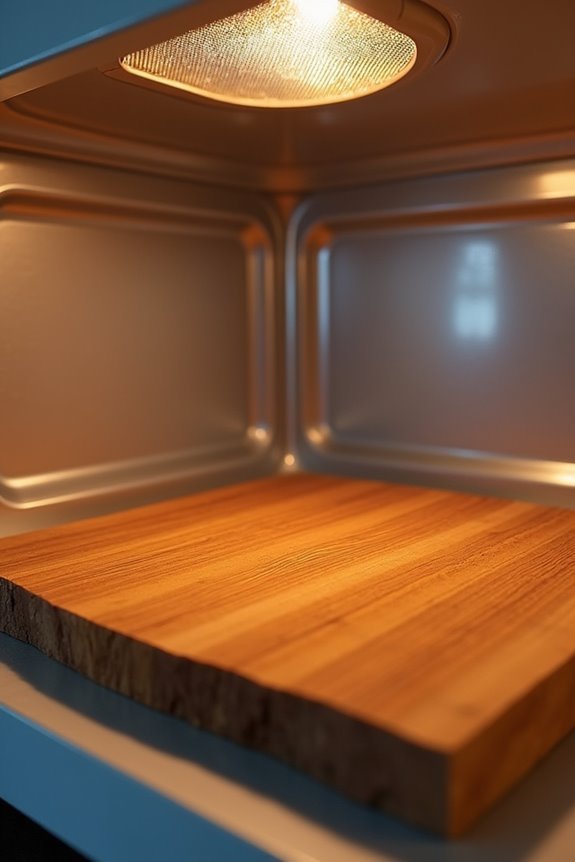
Now’s the time to get specific about timing—this is where most people either succeed or accidentally char their wood into a useless brick.
Timing is everything—nail it and succeed, rush it and you’ll char your wood into a useless brick.
I’ve learned that short microwave cycles work best for drying wood safely. Here’s what I do:
- Start with 30 seconds on low power, then check your wood’s moisture level and warmth
- Add 15–30 second increments if needed, never pushing beyond 60 seconds in one cycle
- Cool between cycles by letting wood rest for several minutes before microwaving again
This approach prevents overheating and cracking. You’re gradually heating your wood, not shocking it with intense heat. The wood should feel warm to touch, never hot or steaming. I repeat these short cycles multiple times, spacing them out strategically. This patience builds better results than rushing through one lengthy heating session.
Size: Small fit Women shoe size 4-6.5; Medium fit Men shoe size 6-8.5, Women fit shoe size 7-9.5;Large fit Men shoe size 9-11.5, Women fit shoe size 10-12.5; X-Large fit Men shoe size 12-14.5, Women fit shoe size 13-15.5. Zealwood Merino Wool Casual Athletic Socks are not too thick or too thin, warm in winter and cool in summer.

Hands Free Drying: Featuring a neck-worn design, this pet dryer eliminates the need to hold it throughout the drying process, allowing you to effortlessly dry your pet's coat. Keep both hands free to comfort your pet during drying, creating a pleasant bonding experience for both of you

[ Premium Crystals & Cocl2-free ] Cocl2 Free which differ from the Blue Silica Gel Beads, our desiccants are made of premium quality raw material which you can place the beads inside organza bags, muslin bags, or any other breathable bags; Replacement desiccant for air dryers and compressors.
Count Your Cycles: Expect 15–20 Rounds
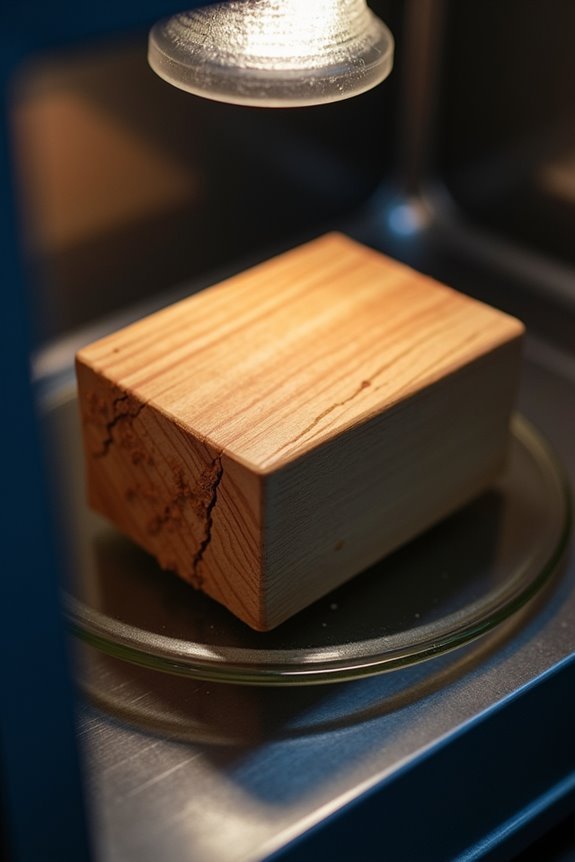
Most wood-drying projects I’ve tackled require somewhere around 15–20 microwave cycles before you’ll see real results, and I know that sounds like a lot until you realize each cycle is just 30–60 seconds long. I’ve learned that this multi-cycle approach prevents the cracking and warping that happens when I rush things.
Here’s what I track across cycles:
- Weight loss indicates moisture removal, so I weigh my wood between sessions
- Cooling periods matter as much as heating—they let moisture escape gradually
- Consistency counts, meaning I repeat the same timing each round
This measured pace gives me better control over microwave drying than trying one long session. The cycles compound, and eventually, I notice substantial moisture loss that improves my wood’s workability. Patience here pays off.

Wisesorb new vision dehumidifier bags are crafted using Premium Fabric for packaging. This material is renowned for exceptional qualities such as high temperature resistance, strength, lightweight nature, permeability, and wear resistance. These attributes ensure our products are securely packaged even during the reactivation process, preventing any leakage.

Wisesorb new vision dehumidifier bags are crafted using Premium Fabric for packaging. This material is renowned for exceptional qualities such as high temperature resistance, strength, lightweight nature, permeability, and wear resistance. These attributes ensure our products are securely packaged even during the reactivation process, preventing any leakage.

Retractable design for convenient storage. Yesland's bamboo dish rack can be easily folded and stored in a drawer when not in use. No assembly needed.
Cool Between Cycles (Let It Settle)
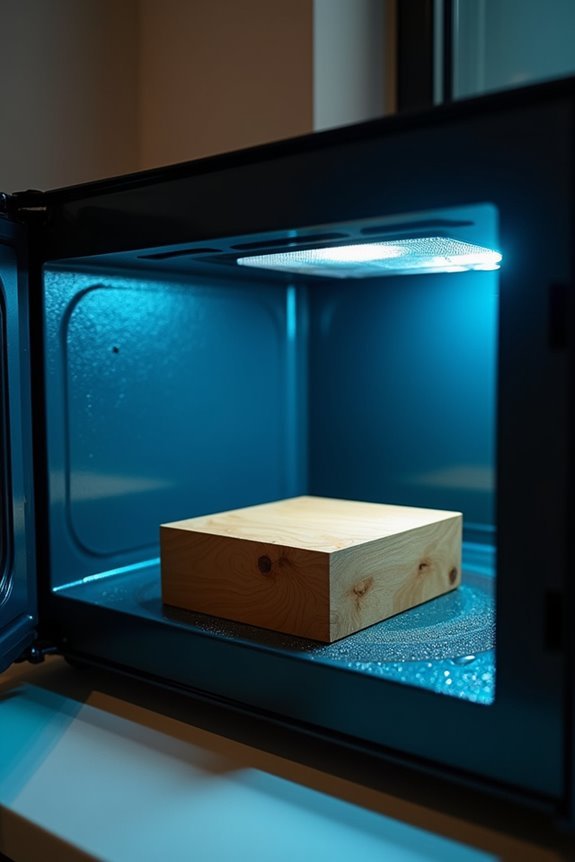
After you pull your wood from the microwave, patience during the cooling period is what actually prevents those frustrating cracks from spreading. While your piece rests and cools down—whether it takes five minutes or longer—the moisture inside settles and redistributes evenly, which means less of it escapes in a panicked rush. This cooling phase matters; it’s not wasted time, it’s when the real stabilization happens between cycles.


🪵【Bi-Mode Measurement Technology】 Offers both Pin (destructive) and Pinless (non-destructive) modes in one tool—ideal for finished wood, flooring, furniture, and drywall without surface damage.

Powerful Cleaning Action: Attracts and absorbs tough soil, spots, odors, allergens, and residues, leaving grouted tile, textured floors, and carpets refreshed and spotless.
Cooling Time Reduces Cracking
Why does wood crack when you heat it continuously? When you skip cooling periods, internal stress builds up, and moisture can’t redistribute evenly. I’ve learned this the hard way.
Here’s what I discovered about microwave wood cooling:
- Allow several minutes between sessions so your piece reaches room temperature naturally
- Monitor during cooling to spot warping tendencies and adjust your next heat cycle cooling accordingly
- Watch existing cracks close slightly as moisture settles back into the wood
This cracking reduction strategy works because short heating cycles with adequate breaks are gentler than one long session. You’re letting the wood relax, preventing the interior from splitting apart. Think of it like stretching before exercise—gradual preparation prevents injury. I now remove my pieces from the microwave and wait patiently. This simple pause produces better results.
Moisture Escape During Rest
When you remove your wood piece, moisture is still trapped inside. During your rest period, that moisture gradually escapes through the wood’s surface. This slow, steady moisture escape prevents the steaming effect that causes damage.
Patience during this phase prevents frustration later. Let your wood cool completely to room temperature before reopening any bag or resuming cycles. This cooling allows internal pressure to equalize, letting trapped moisture recondense safely rather than forcing its way out explosively.
Track your piece’s weight changes between cycles. You’ll notice real progress, confirming your rest period strategy works.
Weigh Your Wood After Every Other Cycle
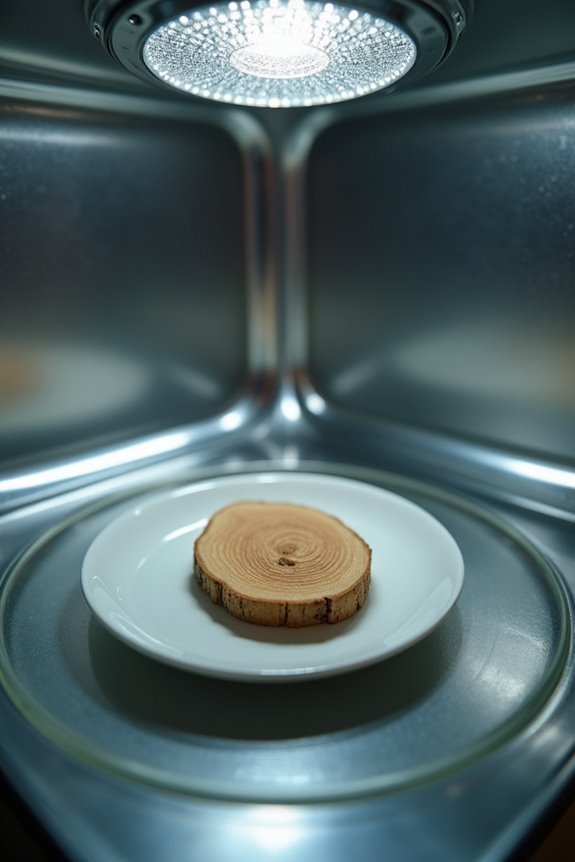
Track Your Drying Progress
When you’re drying green wood, weighing becomes your reliable guide. I record the initial weight, then check again after every other microwave cycle once the wood cools to room temperature. Here’s what I track:
- Initial weight measurement to establish your baseline
- Subsequent weights at consistent intervals, noting the difference
- Weight using 0.01 oz or 0.1 g precision for accuracy
When weight loss plateaus or reverses, I reassess my cycle duration and power level. This prevents over-drying while properly drying your piece throughout.
Monitoring your wood’s weight is the best way to know if you’re actually making progress—and I’ve learned this the hard way after microwaving a piece of oak for way too long and watching it crack like dried pottery.
Use a Moisture Meter to Confirm Dryness
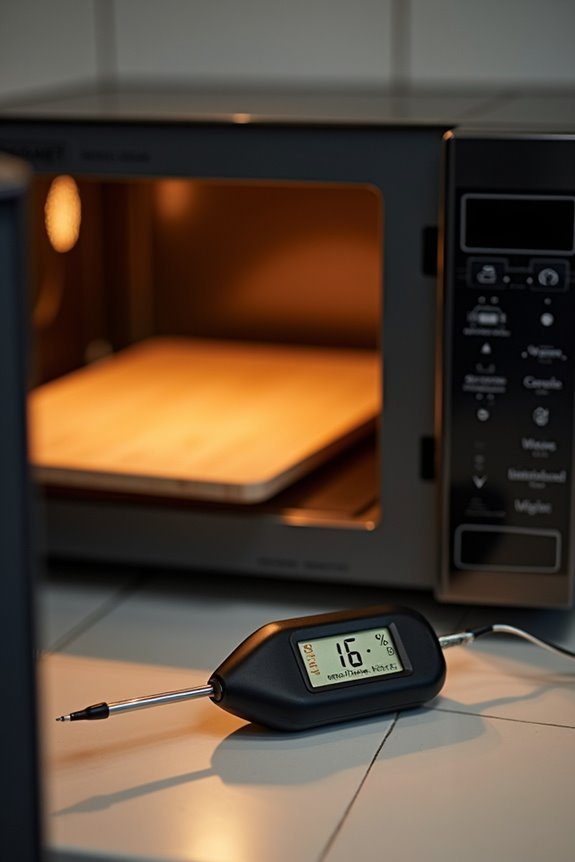
How do you know when your wood’s actually dry enough? I’ll tell you—guessing doesn’t cut it. That’s where your moisture meter becomes invaluable.
Guessing doesn’t cut it—a moisture meter is invaluable for knowing when your wood is actually dry enough.
After each drying cycle, I let my wood cool completely, then take readings with my meter. I’m tracking the wood MC (moisture content) to see real progress. Most pieces need to drop below 9% MC to be genuinely dry.
What I’ve learned:
- Record each reading to spot downward trends
- If readings plateau or creep upward, adjust your cycle duration
- Compare numbers between cycles—they tell the actual story
This objective measurement beats any hunch. I’ve noticed my wood MC drops steadily when I’m consistent, but stalls when I slack off. The meter doesn’t lie, and that’s exactly why I rely on it.
Washer and Dryer Covers Set: This set includes 2 pcs top of dryer mats, perfect as a washer and dryer top protector. Stop scratches from detergent bottles, scuffs from laundry baskets, and spills from damaging your appliance

[Expansive 600-Cigar Capacity with Spanish Cedar Construction] Experience unparalleled storage with three SPANISH CEDAR WOOD shelves designed to accommodate up to 600 cigars in various formats—LOOSE CIGARS or ORIGINAL BOXES; The premium cedar naturally enhances aging while neutralizing odors and preventing drying; with removable trays offering flexible storage OPTIONS FOR BEVERAGES like whiskey,wine,or soda

High-Absorption Indicating Silica Gel Premium orange silica beads (3–6 mm) with strong moisture absorption for safes, closets, ammo boxes, tools, electronics, storage bins and more.
Brown Paper Bag Method vs. Open Air
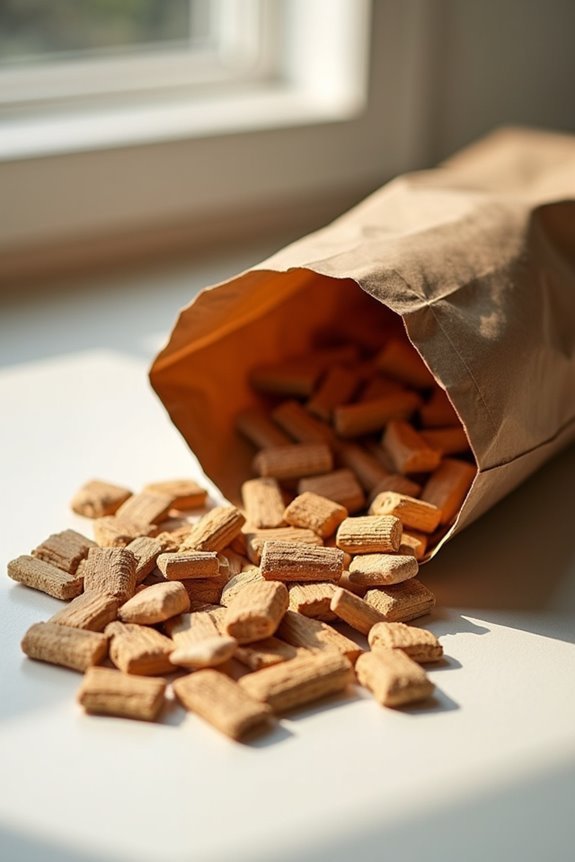
Once you’ve confirmed your wood’s dryness with that meter, you’ll face a choice about how to actually dry it in the microwave—and that’s where the brown paper bag method and open-air approach split paths.
The brown paper bag technique involves placing your piece inside a bag, sometimes with wood shavings, before microwaving. This method acts as a moisture barrier and contains splatter, though you’ll need to monitor for fire risk if things overheat. Some folks glue cracks beforehand to reduce splitting.
Open-air drying skips the bag entirely, letting your wood breathe in a natural manner between cycles with ambient airflow.
Key differences:
- Brown paper bag: contained environment, splatter protection, fire monitoring needed
- Open-air: maximum airflow, simpler setup, visible drying progress
- Both: cooling periods between cycles
Choose based on your comfort level with active supervision and available workspace.

【Robust Wooden Flower Press - Long-Lasting】:Crafted from 0.55-inch thick premium basswood (natural brown finish), this durable wooden flower press ensures blooms press perfectly flat for top-tier dried flower materials. Designed to resist warping and bending, it’s a long-lasting flower press kit built for years of dried flower crafting—no flimsy construction here!

*Updated & Improved* Based upon feedback, the bamboo rack has been modified with thicker sticks for a better, tighter fit.

SPACIOUS AND VERSATILE DESIGN: Our bamboo dish drying rack, also known as a wooden dish drying rack, is designed with ample space and multiple slots. Ideal for holding an array of kitchen utensils like plates, cups, forks, and knives. Its foldable nature also allows for easy folding and storage
Watch for Cracks and Glue Them Immediately
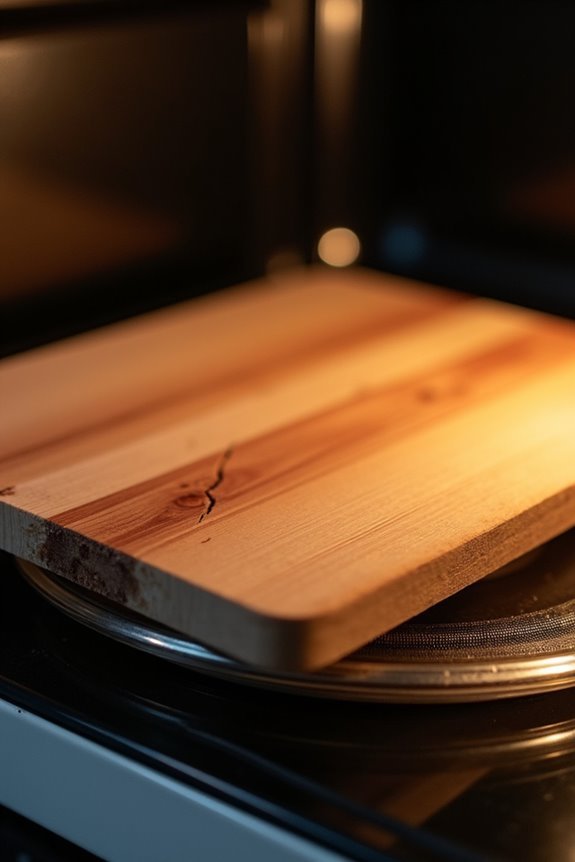
Why do cracks appear right when you’re making progress? It happens to all of us. As your wood cycles through heating and cooling, stress builds up inside the fibers, and cracks develop—especially along the bottom curve where pressure concentrates.
Here’s what I do: I inspect after every cooling period before reheating. Even tiny openings need immediate attention.
My crack-fighting approach:
- Check the bottom curve first
- Apply CA glue (Starbond EM-02 Extra Thin) without accelerator
- Don’t wait for the next cycle
Cracks might close during cooling, but that’s temporary. Fresh openings appear once you resume heating. Catch them early, and you’ll prevent serious damage. Staying vigilant now saves you frustration later.

Non-invasive and Non-marring: Get an accurate reading without making hole in furniture or other valuable objects. By using HF electromagnetic waves, you can spare the hassle of making holes and having to deal with the cleanup

M3X12 Stainless Steel /M3X20 Carbon Steel Screw With Wall Anchor ,Stainless Steel Mounting Clips ,Enhance The Installation Reliability . 8.2FT PMMA Double Sided Tape For Fast and Removable Installtion <br>

QUALITY MATERIAL: Cedar wood is the material for the refrigerated cigar humidor's four adjustable wooden dividers and slide-out wooden drawer. The Spanish cedar wood helps to regulate the humidity and makes the cigars more mellow. Features bright tempered glass doors,not easy to break,chic metal concealed handles, stylish stainless steel classic black cabinet, and interior LED cool light;Stainless Steel Body Humidor
Know When Microwave Drying Is Complete
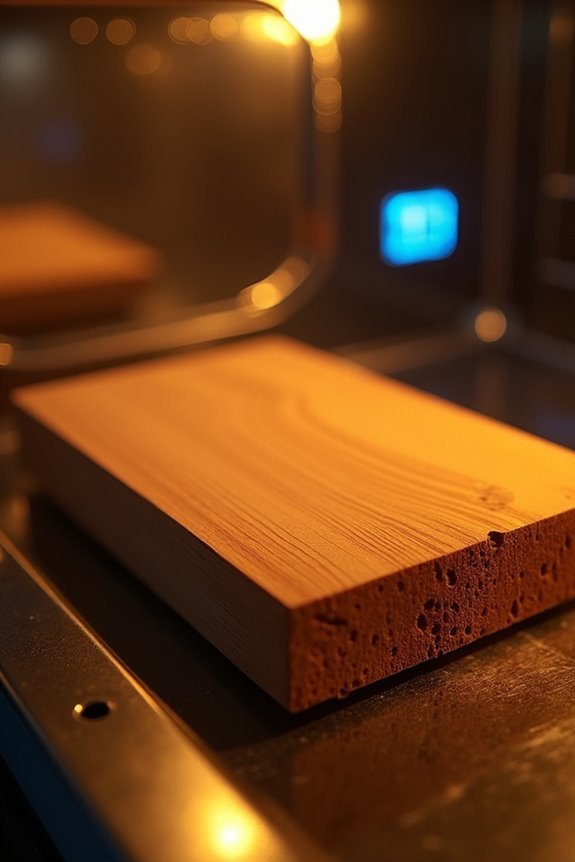
I’ve learned that moisture readings matter more than my impatience. Here’s what I watch for:
- Cool completely between cycles, then check if the bag’s exterior feels dry to the touch
- Take moisture readings after cooling—I’m aiming for near or below 9% to feel confident
- Track weight loss across successive cycles—when the numbers plateau, equilibrium’s approaching
The real tell? Repeating your drying cycles until weight loss slows dramatically. That’s your signal you’re genuinely finished. I know waiting feels tedious, but this deliberate approach keeps your hard work from cracking apart later. Stick with the process, not the clock.
Common Mistakes That Cause Cracking
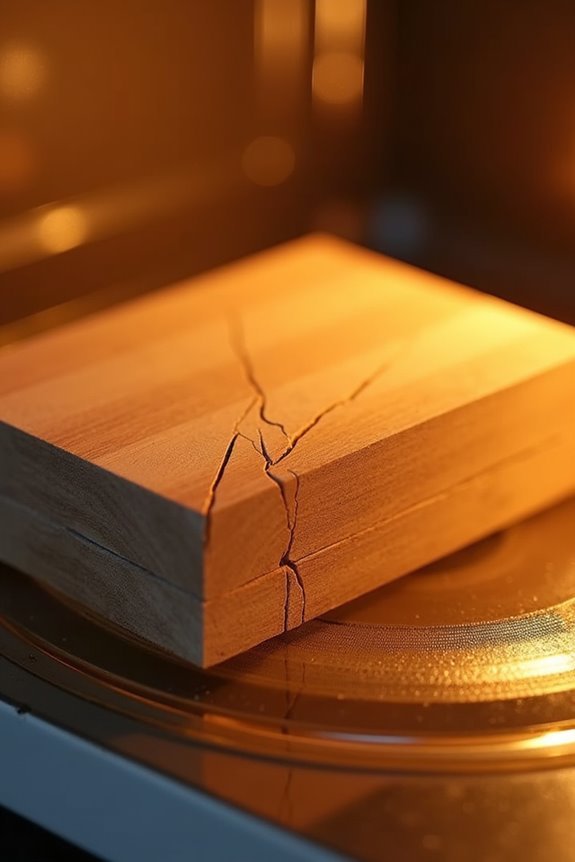
Most of the cracks I’ve seen in microwave-dried wood come from pushing the process too hard—whether that’s running cycles that are way too long or cranking the power up to full blast when you should be using low or medium settings. Rapid moisture loss creates internal steam pressure the wood can’t handle, especially on outer curves. I’ve learned that inconsistent cooling between cycles causes uneven drying, making different sections shrink at different rates. That’s when cracks form. I also catch small fissures early now and stabilize them immediately—waiting only lets them spread during subsequent cycles. Warping from turning too thick beforehand creates stress that cracks when dried. Patience with moderate power and consistent cooling prevents most cracking in microwave drying.
Safety Precautions and Fire Prevention
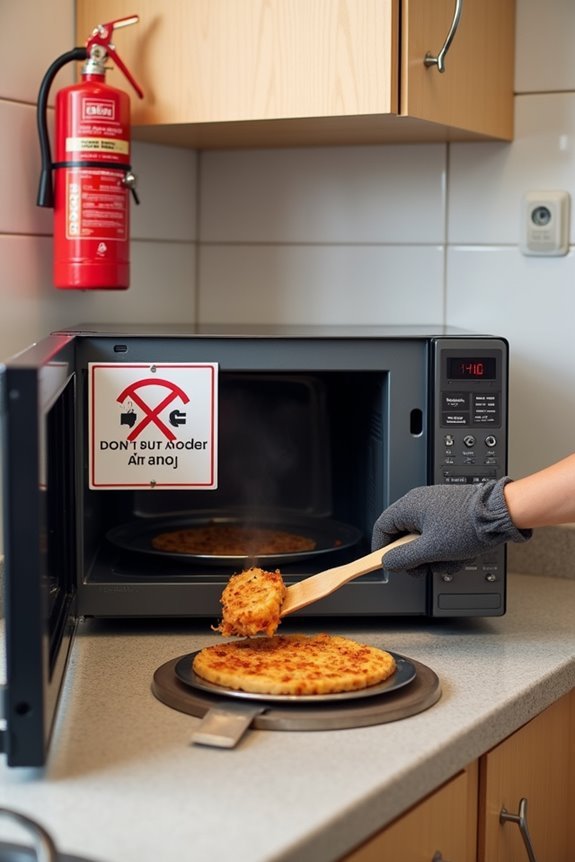
I’ll be honest—I didn’t think about fire risk until my first microwave heating attempt, but now I know it’s the most important part of the process. You’ll want to manage fire risk by using low to medium power with short 30-second to 1-minute cycles, keeping the workspace clear of flammable materials, and staying right there watching the whole time. Proper heat control means you’re also preventing the moisture buildup and overheating that can trigger smoke or flames, so having a fire extinguisher nearby and knowing when to stop immediately if something smells wrong keeps you safe.
Fire Risk Management
Since wood can actually catch fire inside a microwave, it’s worth taking this part seriously. I’ve learned that the real culprit isn’t the wood itself—it’s trapped moisture turning to steam and igniting. That’s why microwave safety matters so much.
Here’s what I do to manage fire risk:
- Use lower power settings (30-50%) with short 2-3 minute cycles, pausing frequently to check progress
- Never microwave dry wood or resinous materials; stick with green or freshly cut pieces instead
- Keep a fire extinguisher nearby and stay in the room—never walk away during heating
I avoid enclosed spaces where steam builds up dangerously. Metal lids help contain any sparks. You’re joining a group of people who take this seriously, and that responsibility keeps everyone safer.
Proper Heat Control
Now that you’ve got fire risk management down, the next layer of protection comes from controlling exactly how much heat your wood receives.
I’ve learned that microwave wood drying requires restraint—your instinct to crank up the power will backfire. Set your microwave to 20% power maximum; anything higher invites disaster. Short cycles of 30 seconds to 1 minute prevent overheating while letting you monitor progress closely.
| Power Level | Duration | Wood Temp | Result |
|---|---|---|---|
| 20% | 30 seconds | 125–150°F | Safe, controlled |
| 20% | 1 minute | 150–175°F | Optimal drying |
| Higher | Any time | 200°F+ | Risk of charring |
| Continuous | Long cycles | Boiling point | Internal damage |
Between cycles, let your wood cool. This cooling interval slows moisture escape, reducing thermal shock that causes cracks. You’re building patience into the process—check for damage, verify glue integrity, then proceed deliberately.
Plan for Warping and Re-Turning
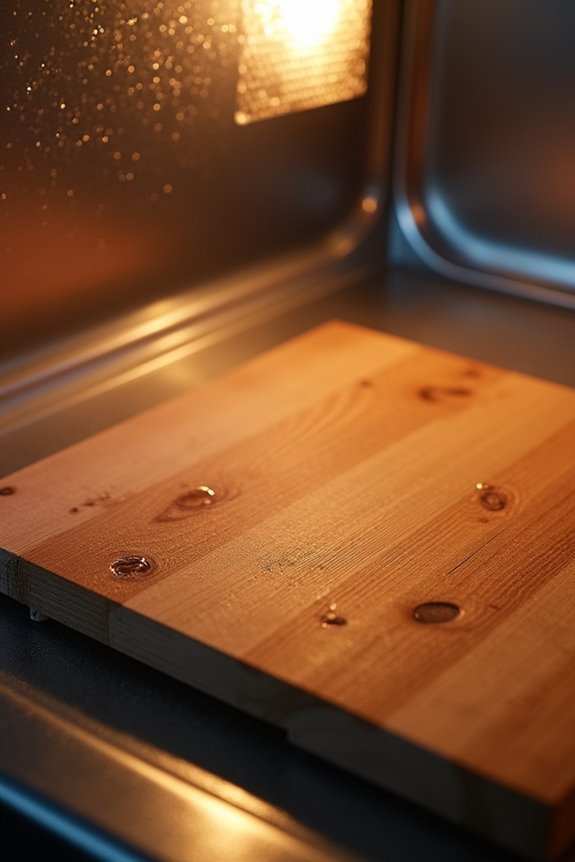
When you’re microwaving wood, warping isn’t a possibility you can ignore—it’s something you’ll definitely encounter. I’ve learned that microwave warping happens because moisture leaves unevenly, causing the wood to bend and twist.
Here’s what I do to manage it:
- Use repeated heating/cooling cycles instead of one long session—this minimizes excessive warping and keeps your piece more stable
- Mark centers before removing your work from the lathe to help with reassembly alignment later
- Rough turn thinner (around 3/4 to 1 inch) before microwaving to improve dimensional stability
After drying, I inspect everything carefully. Post-drying re-turning usually fixes what warped, getting me closer to that final straightness I’m after.