
That stubborn bathroom urine smell likely isn’t just surface dirt—it’s hiding in porous grout, trapped under your toilet base, or seeping from a failing wax ring beneath the toilet. Uric acid crystals embed themselves in caulk and grout within a few feet of the toilet, while moisture and humidity reactivate these odors regularly.
A rocking toilet or discolored flooring signals wax ring failure.
You can pinpoint the exact source and eliminate it permanently—here’s how.
Why Does My Bathroom Smell Like Urine?
When that persistent urine smell won’t leave your bathroom no matter how much you clean, you’re probably wondering where it’s coming from. I’ve been there, frustrated after scrubbing surfaces that still reeked. The truth is, urine odors aren’t always visible—they’re hiding in places you’d never suspect.
Hidden culprits include:
- Uric acid crystals trapped in porous grout and caulk
- Moisture triggering smell release from embedded bacteria
- Seepage beneath the toilet from failing wax rings
- Odor-causing bacteria lingering in toilet tanks
- Sewer gases backing up through compromised drain traps
These sources create that stubborn smell that returns even after cleaning. Understanding what’s really happening helps you address the problem at its source rather than just masking it temporarily.

Universal Toilet Wax Ring: The Hibbent toilet flange is compatible with 3-inch and 4-inch waste lines, suitable for below-floor or level flange connections. The wax ring forms a tight seal between the toilet outlet and pipe, providing a long-lasting, hygienic, gas-tight, and leak-proof seal for most floor-drain toilets

Signs of a Bad Toilet Wax Ring?: If you can smell a sewer-like smell coming from your toilet, there is leakage or your toilet is wobbling, there’s likely an issue with the wax ring, and it must be replaced

Optimal Seal Performance: Say goodbye to unpleasant sewage odors, leak accidents, and noxious gases with the Hibbent Wax Seal Kit. It creates a long-lasting, airtight, odor-tight, and watertight seal between your toilet bowl and waste line—keeping your bathroom fresh and dry
Wax Ring Failure: Why Your Toilet Leaks Urine Smell
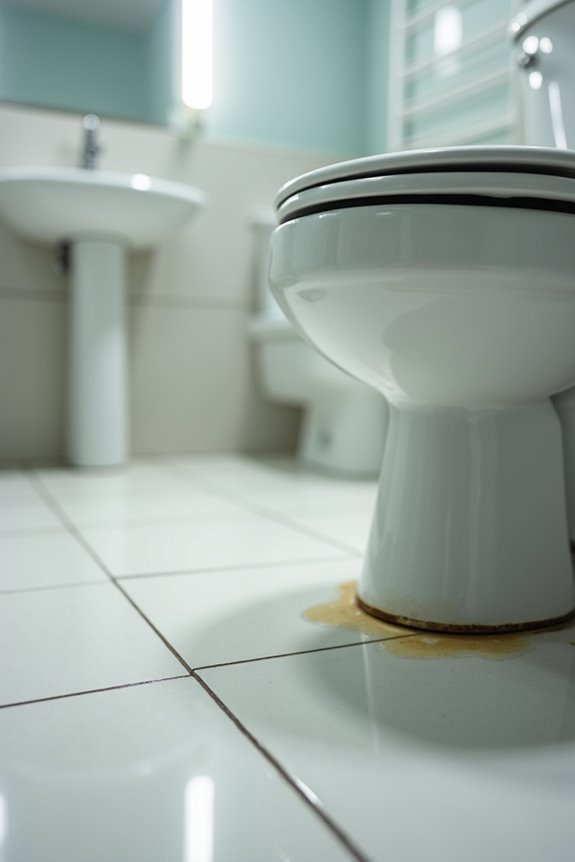
If you’ve noticed that stubborn urine smell concentrating right around your toilet’s base, the culprit’s likely hiding beneath the bowl itself—and it’s probably a failed wax ring.
The wax ring seals the gap between your toilet and the flange, preventing leaks. When it fails, urine seeps underneath, soaking into your subfloor and bolts. You’ll spot telltale signs: a rocking toilet, discolored flooring, or persistent odor despite cleaning efforts.
| Warning Sign | What It Means |
|---|---|
| Toilet rocks slightly | Seal’s compromised |
| Dark floor spots | Moisture damage |
| Concentrated base odor | Active urine seepage |
| Corroded bolts | Extended water exposure |
Causes include improper installation, movement, or floor settling. Fixing it requires removing the toilet, replacing the wax ring, and inspecting for subfloor damage. A damaged flange complicates matters, potentially requiring replacement too.

Powerful grout & tile cleaning formula: Goo Gone Grout & Tile Cleaner effectively removes tough stains, dirt, mold, mildew, soap scum, and hard water stains from bathroom and kitchen surfaces. Perfect for deep cleaning shower tiles, bathroom floors, tub surrounds, and countertops without harsh scrubbing.

2-in-1 benefits clean while protecting grout from water, dirt and grime

Simple & Easy to Use: wait 3-10 hours and rinse stains away without scrubbing required
Urine Is Soaking Into Grout, Caulk, and Porous Flooring
Ever wonder why your bathroom still smells like urine even after you’ve scrubbed the floor until your arms ached?
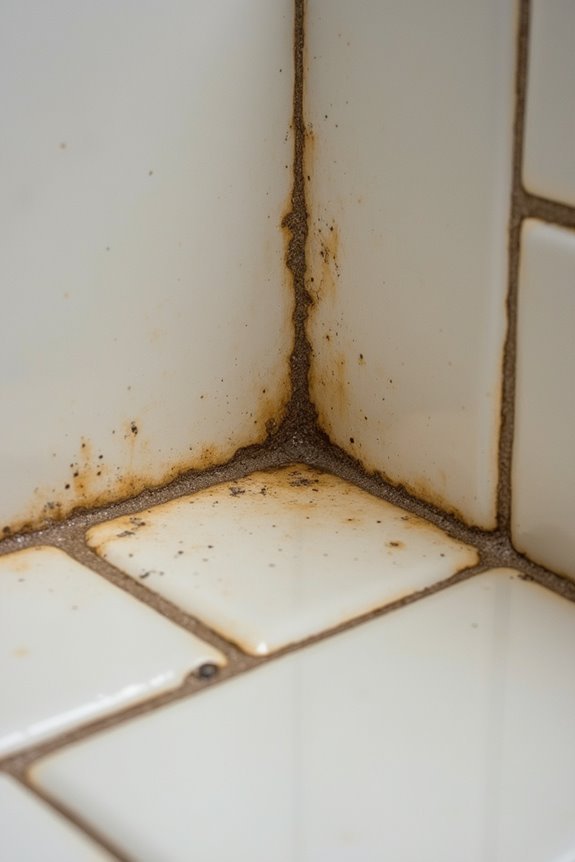
The culprit might be hiding beneath the surface. Urine doesn’t just sit on your tiles—it soaks deep into porous grout surrounding your toilet. Within a 2-3 foot radius, microscopic droplets seep into those tiny spaces, trapping uric acid crystals and bacteria below where your mop can’t reach.
The Problem Goes Deeper Than You Think
Unsealed grout acts like a sponge, absorbing and storing urine compounds. Even worse, damaged caulking around your toilet base lets moisture wick into the subfloor itself. These hidden reservoirs continuously release ammonia odors, making the smell return stubbornly.
Your Solution
Use enzymatic cleaners to break down urine residues, then seal your grout. This moisture barrier prevents future absorption and provides lasting relief.

【Waterproof】: This is a new type of silicone caulk, the main material is modified polyether with silane formula offers ultimate protection from water damage, providing a reliable seal in areas prone to consistent water exposure.

100% Silicone Caulk Protection: This silicone caulk white provides ultimate waterproof protection, ensuring a reliable seal against water damage. Ideal for areas with consistent exposure, keeping your surfaces safeguarded and pristine under any weather condition.

Indoor/Outdoor 100% Waterproof Caulk – Durable, long-lasting white silicone sealant for indoor and outdoor use; ideal for showers, sinks, windows, doors, gutters, and vents
Urine Spray and Splatter Hide Under the Toilet Base
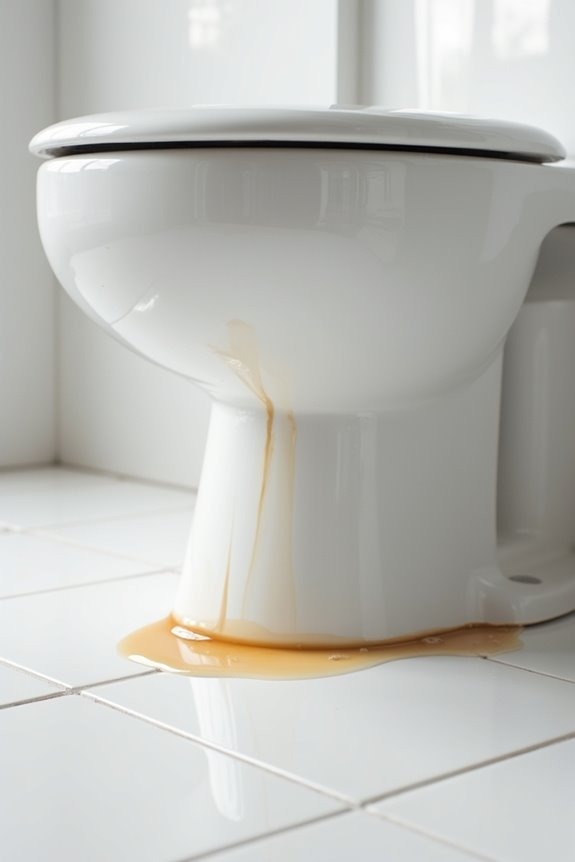
When you’re dealing with bathroom odors, I’ve found that urine spray and splatter often hide in the sneakiest spot—right under your toilet base where you can’t see it. The droplets from standing urination settle on the floor and creep beneath the toilet’s edges, creating pockets of concentrated ammonia smell that surface cleaning alone won’t address. To really tackle this problem, you’ll need to identify where the spray damage patterns are and seal those gaps properly, which I’ll walk you through next.

For use as a vapor barrier when installing Vinyl, laminate, SPC and engineered wood flooring

COVERS LARGE AREAS – Each roll of this flooring underlayment covers 200 sq ft and is 3 mm thick, providing a thick underlayment layer with an integrated moisture barrier for enhanced floor protection.

Hidden Urine Accumulation Spots
Where’s that stubborn bathroom smell actually coming from? The answer often hides in plain sight—literally beneath your toilet base.
The Invisible Problem
Urine spray and splatter create odor issues that extend far beyond what you can see. When liquid hits the floor around your toilet, it doesn’t just sit on the surface. It seeps into grout lines, soaks into porous materials, and pools in tiny crevices between the base and flooring.
Why Standard Cleaning Fails
You mop the visible floor, but urine has already penetrated deeper. Bacteria and urine crystals become trapped against your subfloor, persisting stubbornly even after surface wipes.
The Solution
Target these hidden zones directly. Use enzymatic cleaners specifically under and around the toilet’s perimeter, reaching spaces standard cleaning misses.
Detecting Spray Damage Patterns
You’ll probably find the real culprit hiding where your eyes don’t naturally go—underneath your toilet’s base.
Urine spray from standing urination creates damage patterns you’ve likely never inspected. Here’s what’s actually happening beneath that porcelain throne:
- Droplets pooling in crevices below the base where your standard cleaning never reaches
- Wax ring compromise around the bolts, showing staining that signals spray exposure
- Grout and caulking infiltration as moisture wicks into gaps, trapping odor deep inside
- Floor staining patterns radiating outward from the base in telltale trails
Lifting your toilet reveals the truth. That persistent smell? It’s not vanity—it’s hidden urine residue embedded where surface wipe-downs can’t touch. Enzymatic cleaners become necessary here, breaking down what’s trapped underneath rather than just addressing visible surfaces.
Sealing Gaps Under Toilets
Sealing Gaps Under Toilets
Why does your bathroom still smell like urine even after you’ve scrubbed everything visible? The culprit often hides beneath your toilet base.
Where Urine Odors Hide
Spray and splatter don’t just land on surfaces—they migrate into gaps and crevices under your toilet, creating hidden odor reservoirs. These spaces trap urine where cleaning can’t reach them.
What You Need to Do
If you’re noticing concentrated urine smells at the base or see floor staining, your wax ring seal likely needs replacing. Here’s the straightforward approach:
- Remove the toilet carefully
- Replace the old wax ring with a new gasket
- Reseat the toilet properly
- Apply fresh caulk around the base edges
This seals gaps completely, preventing future urine from seeping into your subfloor and keeping those stubborn urine odors from returning.
Your Toilet Flange Is Damaged or Loose
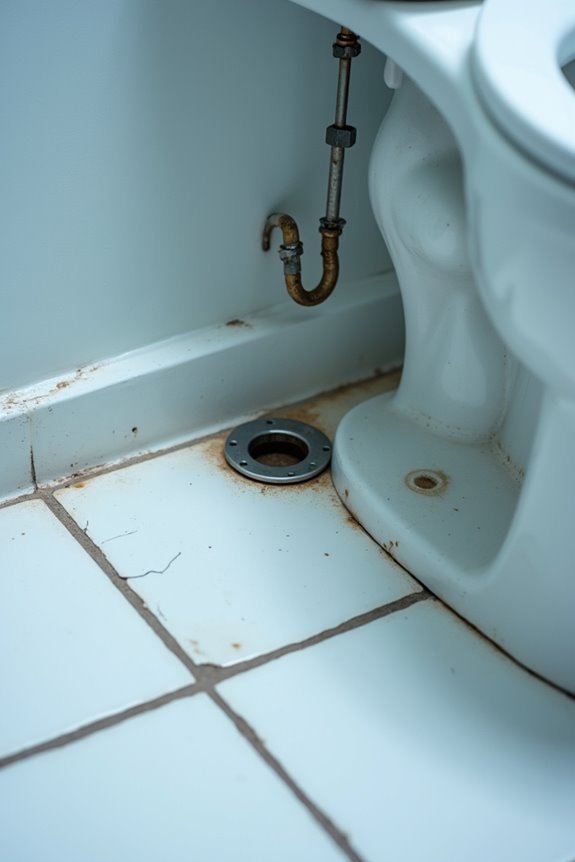
I’ve found that a damaged or loose toilet flange—that ring beneath your toilet that connects to the drain—is often the cause of stubborn urine odors lingering around your toilet’s base. When the flange cracks, sits below floor level, or loosens over time, the wax ring seal fails, letting sewer gases and urine smells escape into your bathroom no matter how much you clean. If you notice your toilet rocking when you sit down, bolts that won’t stay tight, or water pooling underneath, your flange likely needs repair or replacement to eliminate that persistent smell.

FIGHTS ODORS: A household essential, Febreze Air Mist instantly restores any space with just-cleaned freshness

FIGHTS ODORS: A household essential, Febreze Air Mist instantly restores any space with just-cleaned freshness

Eliminate Odors in Kitchen, Bathroom, Nursery, Basement and more. Smoke, Pet odor eliminator for home Even Skunk Odor
Flange Damage And Odors
What if the problem isn’t actually your toilet bowl at all, but rather the hidden ring beneath it? That rubber or wax seal—called a flange—can deteriorate over time, and when it does, you’re dealing with a flange odor that cleaning won’t fix.
A damaged flange creates several issues:
- Cracks allow moisture and waste to seep beneath your toilet base
- Misalignment prevents the wax ring from creating a proper seal
- Corrosion weakens the connection between toilet and floor
- Loose bolts let the toilet rock, breaking the seal repeatedly
You’ll notice water stains spreading around your toilet’s base, or that stubborn urine smell lingering despite your best efforts. The flange needs replacement—a job requiring toilet removal and professional reinstallation. Address this promptly; it prevents costly subfloor damage and eliminates that persistent odor from your bathroom.
Loose Flange Repair Steps
When your toilet rocks back and forth or that urine smell won’t budge despite cleaning, the flange beneath your toilet has likely failed—and you need to remove the toilet to fix it properly.
What you’ll need to do:
- Turn off water and drain the toilet completely
- Unbolt the toilet from the floor
- Lift the toilet away carefully
- Inspect the flange for cracks, corrosion, or misalignment
- Check if it sits level with your finished floor
The fix itself:
Sand the flange surface until it’s smooth and level. Install a new wax ring or gasket, then reseat your toilet firmly onto it. Tighten bolts evenly—don’t overtighten, or you’ll crack the porcelain.
This is where calling a professional makes sense. They’ll verify everything’s secure and check your subfloor for water damage you can’t see.
Toilet Tank Bacteria and Mold: Hidden Urine Odor Sources
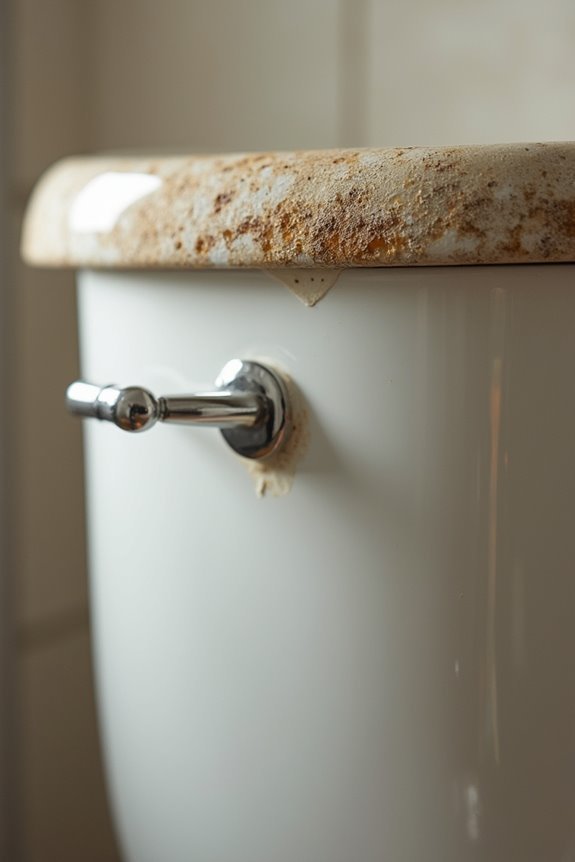
Ever noticed that stubborn bathroom smell even after you’ve scrubbed the toilet bowl thoroughly?
The culprit’s often hiding inside your tank. Bacteria and mold thrive in that dark, moist environment, creating ammonia-like odors that mimic urine smell. Here’s what’s actually happening in there:
- Biofilms coating the flapper – slimy layers trapping odor-causing bacteria
- Mineral buildup on tank walls – crusty deposits fueling bacterial growth
- Fill valve contamination – overlooked spots where mold establishes itself
- Overflow tube neglect – forgotten areas breeding odor sources
You’ll want to clean your tank every three to six months. Mix one cup of bleach per gallon of water, scrub all interior surfaces, then flush thoroughly. For mineral buildup, add two to three cups of white vinegar directly into the tank. This tackles the real problem—not just masking the smell, but eliminating what’s actually causing it.

NO WAX, NO MESS - The easiest way to install a toilet seal ring & fix leaks

NO MESS: Perfect Seal has a hidden wax ring which causes no mess and 3X's stronger seal than regular wax rings

Signs of a Bad Toilet Wax Ring?: If you can smell a sewer-like smell coming from your toilet, there is leakage or your toilet is wobbling, there’s likely an issue with the wax ring, and it must be replaced
Sewer Gas Is Backing Up Through Plumbing Vents
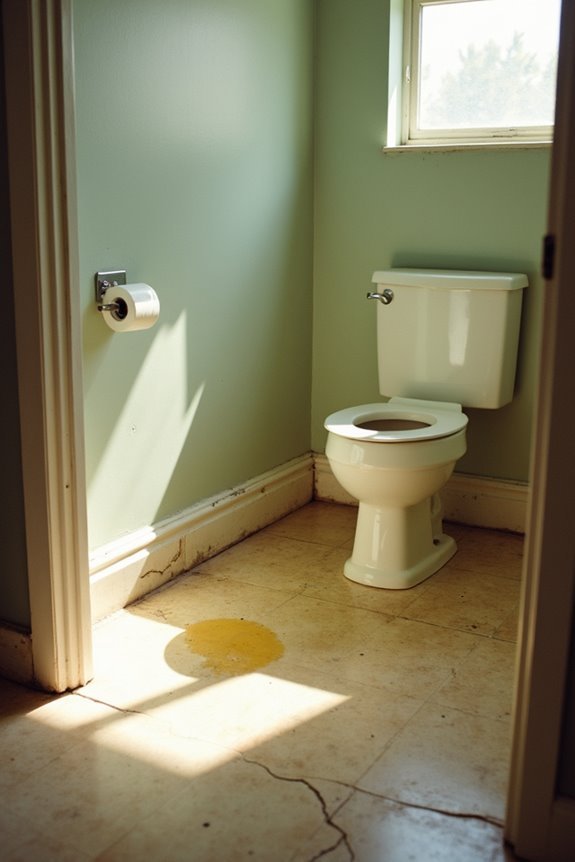
Sometimes that nasty bathroom smell isn’t coming from the toilet itself—it’s sneaking in through your plumbing vents, and you might not even realize it’s happening.
That nasty bathroom smell might be sneaking in through your plumbing vents without you even realizing it’s happening.
Your home’s venting system is supposed to push sewer gases safely outside through roof stacks. When these vents get blocked by debris or damaged, that foul odor reverses direction straight into your bathroom. You’ll notice it most when other fixtures flush, since the negative pressure pulls those gases right toward you.
Common culprits include:
- Blocked roof vents or clogged downspouts
- Debris surrounding vent openings
- Cracked toilet seals or deteriorated wax rings
Check your roof vents regularly for blockages. Keep water in your drain traps. During any plumbing repairs, confirm proper venting so gases escape outdoors, not into your living space. This preventive approach stops that mysterious smell before it becomes your bathroom’s uninvited guest.

V Shape Design: V grout cleaner brush fits precisely into each groove, and reaches deeply into narrow joints. The three-row design also cleaning the area next to the grout

Professional Strength Grout Cleaner: Easily remove years of grime from your grout, saving you time and frustration.

DESTROYS MOLD, MILDEW AND SOAP SCUM BUILDUP: This bleach spray cleans and whitens bathroom surfaces in seconds.
Dry or Stagnant Traps and Drains Are Releasing Sewer Smell
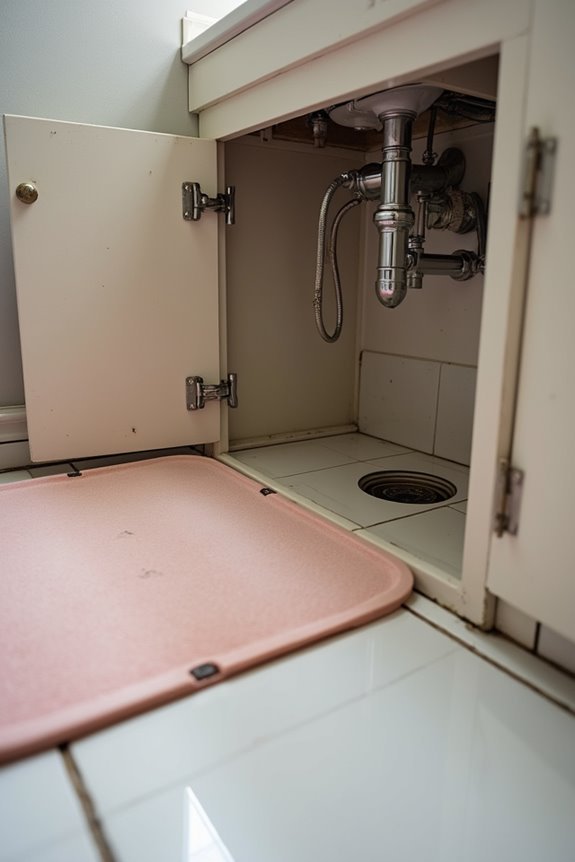
When your bathroom traps—those U-shaped pipes under sinks and drains—dry out from disuse, the water seal that normally blocks sewer gases disappears, letting foul odors seep right back into your space. Stagnant water that sits in drains for weeks can also turn problematic as bacteria feast on trapped waste, creating that distinctive rotten-egg sulfur smell you’re trying to escape. Running water through rarely used drains every week and cleaning mineral deposits around toilet bases and floor drains keeps these seals fresh and your bathroom smelling clean.

Color & Size Specification: 1.5IN/38mm(With), 10.5FT/3.2m(Length), 0.047IN/1.2mm(Thickness) Color: White This waterproof sealant caulk tape strip with a crease in the middle.
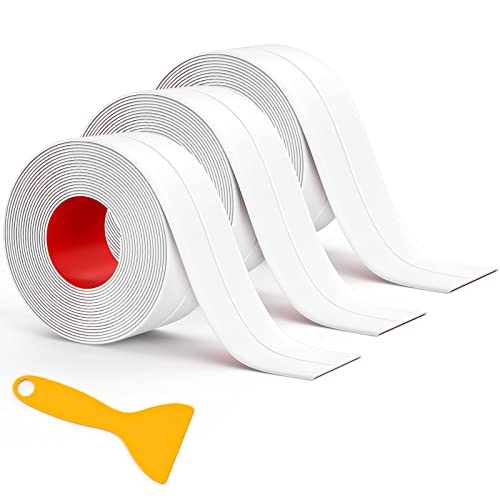
Material - The caulk strip is made of high-quality PVC material, waterproof, with better adhesion.

Paintable caulk has strong multi-surface adhesion and won't shine through or discolor paint
Trap Seal Water Loss
Why does your bathroom smell like a urinal even after you’ve cleaned everything?
The culprit might be trap seal water loss. Your drains contain U-shaped pipes called traps that hold water, creating a barrier against sewer gases. When you don’t use a drain regularly, that water evaporates, leaving an empty seal. Now those nasty odors escape freely into your space.
Here’s what happens:
- Water sits in the trap for weeks without use
- Evaporation gradually depletes the protective seal
- Sewer gases rise through the empty pipe
- You’re left with that unmistakable urine-like smell
The fix? Run water through rarely used drains weekly. Just a quick flush maintains the seal and keeps odors trapped where they belong—underground.
Sewer Gas Backup Prevention
Now that you understand how trap seals work, let’s look at what happens when they fail—because it’s not just about evaporation. Dry or stagnant traps are one of the biggest culprits behind persistent bathroom odors, and the problem gets worse if your drains aren’t moving water properly or if your home’s ventilation system isn’t doing its job.
When toilet traps dry out or water sits motionless in your drains, sewer gases escape upward into your bathroom. These gases carry that unmistakable urine-like smell. Additionally, blocked roof vents or malfunctioning vent stacks prevent proper ventilation, trapping odors inside. The solution is straightforward: run water through seldom-used drains regularly, keeping those traps filled. This simple habit maintains your water barrier and stops sewer air from backing up into your space.
Hidden Urine Stains Lurk in Cabinets and Drawers
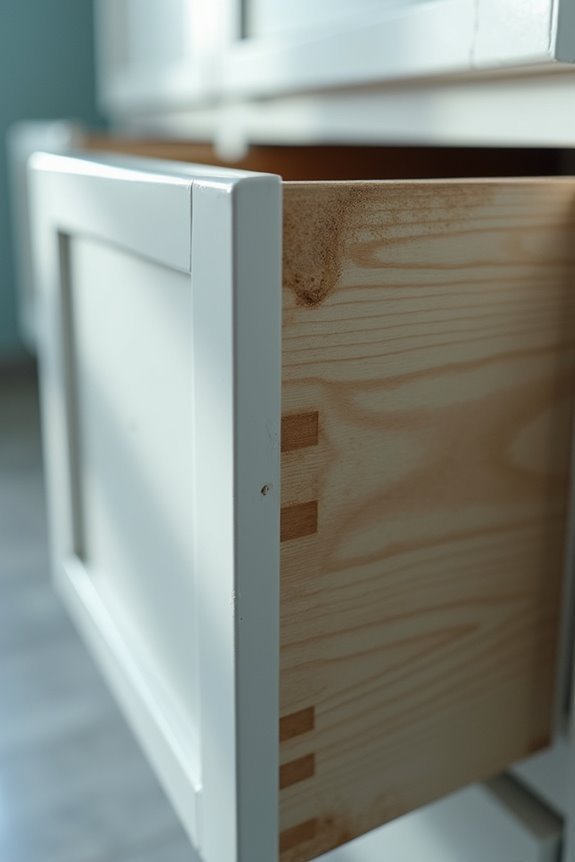
Have you ever cleaned your bathroom thoroughly, only to notice that stubborn ammonia smell still lingering near the vanity? The culprit might be hiding inside your cabinets and drawers.
Urine doesn’t just sit on surfaces—it seeps into porous materials and settles in sneaky spots you can’t see. Here’s where that urine odor hides:
- Under shelves where liquid wicks into wood or particleboard
- Inside hinges and seams trapping uric acid crystals
- Behind drawer bottoms where splashes accumulate
- Toe-kick areas beneath vanities collecting moisture
Standard cleaners won’t tackle these embedded stains. You’ll need enzymatic cleaners that break down the urine residue at a molecular level. Inspect every cabinet corner and replace damaged shelving. Don’t ignore moisture either—mold compounds the problem. Regular deep cleaning prevents that frustrating smell from returning.


Water Activated Flood Barriers, Rated #1 in Flood Control

Premium 6 Mil vapor barrier film for laminate and vinyl flooring.
Why Humidity Reactivates Urine Smell in Bathrooms
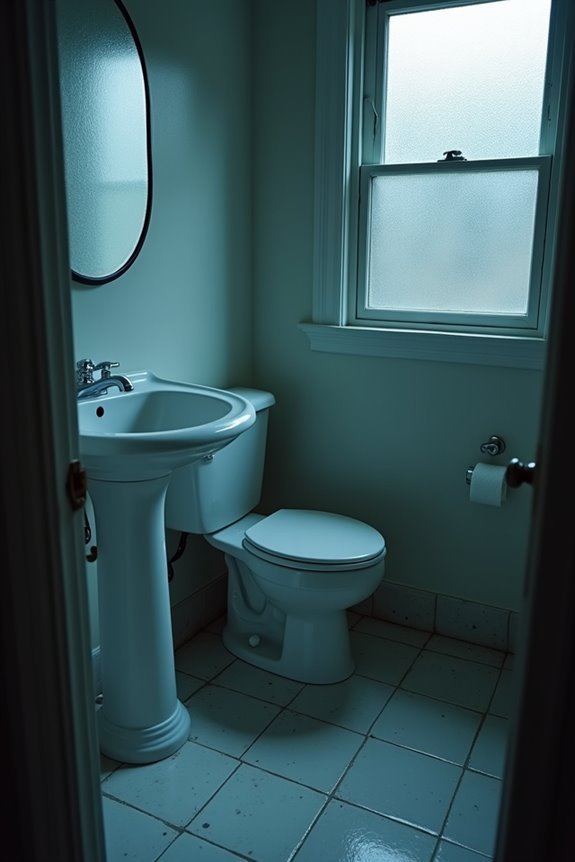
You’ve probably noticed that bathroom odors get worse on humid days—and there’s actual science behind why your nose isn’t playing tricks on you. When moisture lingers in your bathroom, it reactivates uric acid crystals hiding in grout, caulk, and porous materials by re-dissolving them and releasing volatile amines into the air. High humidity also creates ideal conditions for bacteria in damp corners, which metabolize urine residues into ammonia and other odorous compounds that circulate more easily through stagnant air.

ALL MAGIC. NO TRICKS. – Reach for a Citrus-Based Odor Eliminator Air Freshener that uses the power of Citrus oils to eliminate troublesome odors and sprinkle the air with freshness, without just water and aerosols

Multi-Purpose: Our cleaning spray is ready to use; it cleans, disinfects, freshens, and eliminates unpleasant stenches. Our 32 oz spray bottle features our original fresh eucalyptus scent.

Neutralize Odor with Aromatic Luxury — Transform your living space into an oasis of relaxation and comfort with this aromatherapeutic odor neutralizer spray infused with essential oils. Eliminate unpleasant smells caused by cooking, smoke, pets, or other common household odors, and replace them with this elegant room freshener scent. Evoke a sense of sophistication from the moment you step inside your house with this deodorizing essential oil spray
Moisture Activates Uric Acid Crystals
Why does that stubborn urine smell come roaring back after you’ve cleaned your bathroom thoroughly? The culprit lies beneath the surface—uric acid crystals embedded in grout, caulk, and porous tiles remain dormant when dry but reawaken with moisture.
When humidity rises in your bathroom, several things happen simultaneously:
- Dried uric acid crystals rehydrate and re-release volatile odor compounds
- Moisture penetrates hidden deposits under fixtures and baseboards
- Bacteria activate and metabolize urea, producing ammonia gas
- Warm air accelerates the diffusion of odorants throughout your space
You’ve likely experienced this frustrating cycle: your bathroom smells fine until steamy showers introduce humidity. Regular cleaning must address both visible residues and embedded crystals, since moisture can reactivate odors even after surfaces appear spotless.
Humidity Increases Odor Release Cycle
Moisture doesn’t just sit on your bathroom surfaces—it actively reawakens dormant odor compounds that cleaning alone can’t fully eliminate. When humidity levels rise above 50%, you’re creating the perfect environment for urine smell to intensify dramatically.
Here’s what’s happening: trapped moisture keeps uric acid crystals hydrated, allowing volatile compounds to re-emit into the air constantly. Your bathroom becomes a cycle where odors release, get trapped by stagnant humid air, then settle back down—only to repeat when you shower again.
The humidity trap:
- Ventilation fans become less effective in moist air
- Odors accumulate faster than they can escape
- Bacteria thrive, producing ammonia compounds
- Previously cleaned surfaces reignite with smell
This cyclical pattern explains why your bathroom smells worse on humid days, even after thorough cleaning.
Bathroom Environment Intensifies Smell Reactivation
What’s happening in your bathroom:
- Grout lines trap moisture that keeps uric acid crystals hydrated and releasing ammonia
- Warm air loosens odor molecules from damp surfaces, reactivating scents with temperature shifts
- Bacteria thrive in humidity, metabolizing urea into fresh ammonia compounds
- Hidden micro-environments beneath fixtures slowly recrystallize and off-gas when humidity rises
Poor ventilation traps these reactivated odors, allowing them to accumulate and persist. You’re fighting your bathroom’s natural moisture cycle. Understanding this cycle helps you target solutions more effectively.
Pinpointing the Exact Source of the Smell
Once you’ve confirmed that urine’s the culprit, the detective work really begins—because bathroom odors don’t always announce themselves from obvious places.
Start by inspecting the toilet base carefully. Urine seals and odors trapped under and around the toilet base often indicate a failing wax ring or flange issue. Press down gently on the toilet seat—if it shifts or feels unstable, that’s your first clue.
Next, examine less obvious spots: under seat bolts, inside hinge mechanisms, and the tank interior itself. These microzones hide contamination that regular cleaning misses. Check grout and caulk around the base as well; porous materials absorb urine persistently.
Finally, check your plumbing vents. Blockages or dry traps pull sewer odors into your bathroom, complicating diagnosis. You’ll need to distinguish between trapped urine and actual plumbing problems before you can fix it properly.
Choose the Right Cleaning Method for Your Cause
The cleaning approach that’ll actually work depends entirely on where you’ve pinpointed the smell coming from—and I can’t stress this enough because using the wrong method wastes time and money.
- Under the toilet: Replace the wax ring seal and reseat the toilet to stop urine from seeping into your subfloor
- Around the base: Apply enzymatic cleaners to grout lines, then reseal caulking to prevent the urine smell from wicking back
- Inside the tank: Deep clean with bleach solution or vinegar to neutralize ammonia and kill bacteria harboring odors
- Hidden sources: Use uric acid neutralizers like Odorcide for deep penetration that surface cleaning simply can’t reach
Match your method to your source, and you’ll eliminate that stubborn urine smell instead of just masking it temporarily.
When to Call a Plumber or Professional Odor Removal Service
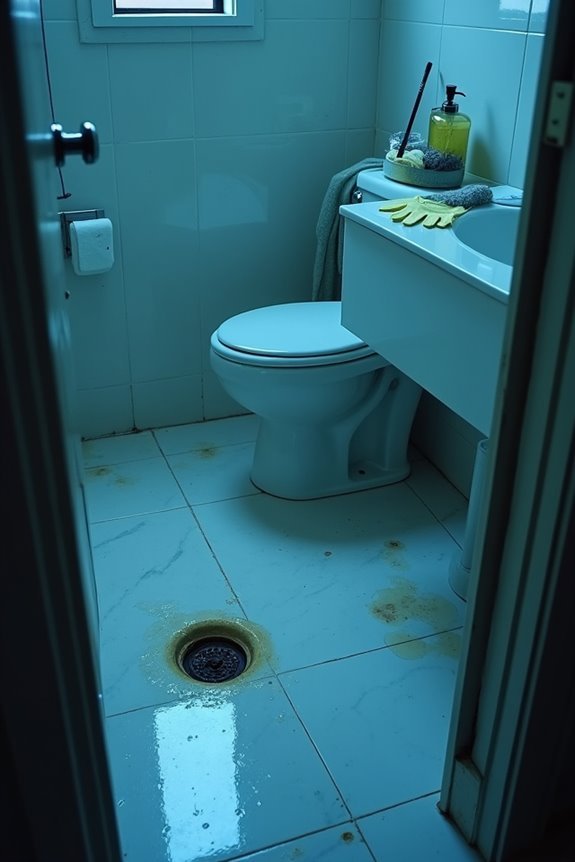
Sometimes your best cleaning efforts just won’t be enough—and that’s when you’ll need to bring in reinforcements. If you’ve scrubbed thoroughly but the smell persists, a professional can identify hidden sources you might’ve missed. I’d recommend calling a plumber if you notice:
Sometimes your best cleaning efforts just won’t be enough—that’s when you need professional reinforcements to identify hidden odor sources.
- Toilet rocking or leaking at the base—signs your wax ring has failed
- Persistent odors after cleaning surfaces and grout
- Water stains on your subfloor
- Sewer gas smells accompanying urine odors
Professionals use enzymatic cleaners and specialized equipment to reach trapped urine in porous areas. They’ll also inspect vent stacks and plumbing traps, preventing larger problems down the road. Getting help early saves you frustration and protects your home’s foundation.
Stop Bathroom Urine Smell Before It Returns: Maintenance & Prevention
How’d you like to keep that fresh bathroom feeling without constantly scrubbing?
I’ve found that stopping urine odors before they return means tackling prevention head-on. Here’s what actually works:
- Check your toilet seal – Inspect the wax ring beneath your toilet; a failed seal lets urine wick underneath, creating persistent smells that cleaning won’t fix.
- Maintain water traps – Run water weekly in drains you rarely use; these water seals block sewer gases by nature.
- Deep clean hidden spots – Use enzymatic cleaners around the toilet base, grout, and caulk where urine crystals form invisibly.
- Control humidity – Improve ventilation and reduce moisture; mold thrives in damp bathrooms, reactivating trapped odors.
These steps keep your space smelling fresh, not temporarily masked.