
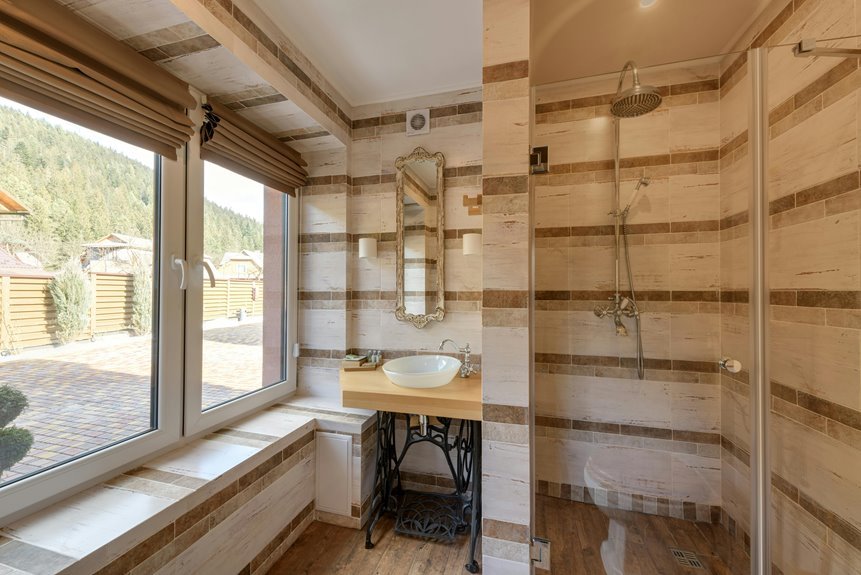
No, building codes don’t require a bathroom window—they require ventilation to manage moisture and prevent mold. You can meet this requirement with a properly sized exhaust fan (around 50 CFM) that vents outside. That said, windows offer real benefits: natural light improves mood, reduces daytime electricity costs, and provides passive ventilation when opened. The ideal solution combines both for optimal light and reliable moisture control. Whether you’re dealing with a windowless bathroom or considering replacements, there’s more to understand about what works best for your space.
Do Building Codes Require a Bathroom Window?
building codes don’t actually require your bathroom to have a window, though I know it might feel like they should.
Instead, building codes focus on ventilation—keeping moisture and odors under control. You have options. Many jurisdictions accept a properly functioning exhaust fan as your primary solution, venting moisture directly outside. This window requirement isn’t universal; it depends entirely on where you live.
If you choose mechanical ventilation over a natural window, your local codes likely specify minimum airflow rates, often around 50 CFM (cubic feet per minute) during use. Some regions demand continuous operation at lower rates.
The takeaway: your building codes prioritize healthy air quality through ventilation rather than insisting on actual windows. Whether that’s natural light or mechanical systems, you’re meeting code requirements either way.

Ultra Quiet 1.2 Sone Bathroom Fan with 50 CFM Power – Quickly removes moisture from bathrooms up to 55 Sq. Ft, keeping air fresh.

OUTSTANDING PERFORMANCE: This Homewerk's bath fan ensures comfort in your home by quietly eliminating moisture and humidity in the bathroom. This exhaust fan is 1 sone at 50 CFM which means it’s able to manage spaces up to 50 square feet

50 CFM BATHROOM EXHAUST FAN: 50 CFM is sufficient ventilation to remove, moisture, odor and pollutants from your smaller powder room or bathroom up to 45 sq. ft.
Why Natural Light and Ventilation Matter in Bathrooms
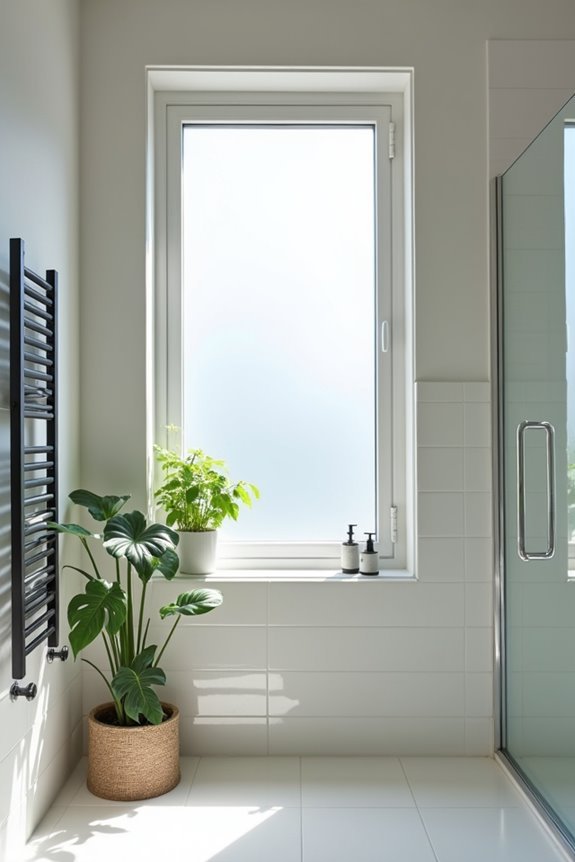
I’ve found that a bathroom window does more than just look nice—it actually addresses some of the toughest challenges bathrooms face, from stubborn moisture to stale air. When you open that window after a steamy shower, you’re letting fresh air push away humidity that’d otherwise settle into your walls and fixtures, creating the perfect breeding ground for mold and mildew. Natural light streaming through the glass also brightens the space during the day, making even a cramped bathroom feel more open while reducing the electricity you’d need to flip on artificial lights.

VERSATILE FAN: Ventilation fan helps eliminate humidity, tobacco smoke, and cooking odors. Install the compact fan between ceiling joists or wall studs - wherever it's needed most!

Retrofit Bathroom Ventilation Fan: Equipped with a revolutionary DC/ECM motor and SmartFlow technology, this whisper quiet, Energy Star-certified exhaust fan provides superior performance and easy, flexible installation

ENERGY STAR CERTIFIED EXHAUST FAN WITH LIGHT (LED): 80 CFM bathroom exhaust fan reduces energy consumption by about 50% compared to standard bath fans. Durable LED Light: Long-lasting, integrated LED light is rated for 50,000 hours of life at a 3500K color temperature. This versatile bath fan helps reduce moisture and odors in your bathroom while providing enough light for your space.
Moisture Control and Prevention
Why does your bathroom mirror fog up after every shower, and what’s really going on behind those water droplets?
That condensation signals excess humidity—the invisible culprit behind mold, mildew, and deteriorating surfaces. Moisture control is necessary for protecting your bathroom and health.
Your Ventilation Options
| Ventilation Type | Moisture Removal | Best For |
|---|---|---|
| Window (open) | Passive, weather-dependent | Natural light + airflow |
| Exhaust fan | Active, reliable | Code compliance |
| HRV/ERV system | Superior, energy-efficient | High-humidity climates |
| No ventilation | Inadequate | Not recommended |
| Combination approach | Optimal | Maximum protection |
A window provides natural light while offering passive ventilation when opened. Without one, install exhaust ventilation to meet code requirements and manage moisture effectively. Both approaches support mold prevention and keep your bathroom environment healthier.
Natural Light Benefits
Have you ever noticed how stepping into a bright bathroom feels completely different from one lit only by artificial bulbs? That’s because natural light affects a space in ways electricity can’t quite match.
Daylight benefits your bathroom and your well-being. When sunlight streams through a window, it boosts serotonin production—that chemical responsible for lifting your mood. You’ll feel more energized during your morning routine.
Natural light also makes your bathroom appear larger and more inviting. It reveals true colors and textures, creating an ambiance that artificial lighting struggles to replicate. Plus, you’re lowering electricity costs by reducing daytime lighting needs.
If you don’t have a window, consider privacy glass options or solar tubes. While these alternatives deliver daylight, they won’t replace bathroom ventilation. The combination of natural light and proper ventilation creates an effective bathroom environment.
Air Quality Improvement
What happens to your bathroom after a long, steamy shower? Moisture lingers everywhere—on your mirror, walls, and fixtures. That’s where ventilation becomes your bathroom’s best friend.
When you install an exhaust fan or window, you’re actively fighting humidity buildup. These systems pull damp air outside, replacing it with fresh air. This exchange matters because trapped moisture creates the perfect environment for mold to grow. Without proper ventilation, mold and mildew colonize your walls within weeks.
Here’s what works: an operable window lets you control airflow naturally during day hours. If a window isn’t possible, an exhaust fan handles the job during and after showers. Both approaches reduce condensation and keep your bathroom feeling fresher and healthier.
Window Materials That Withstand Moisture and Humidity
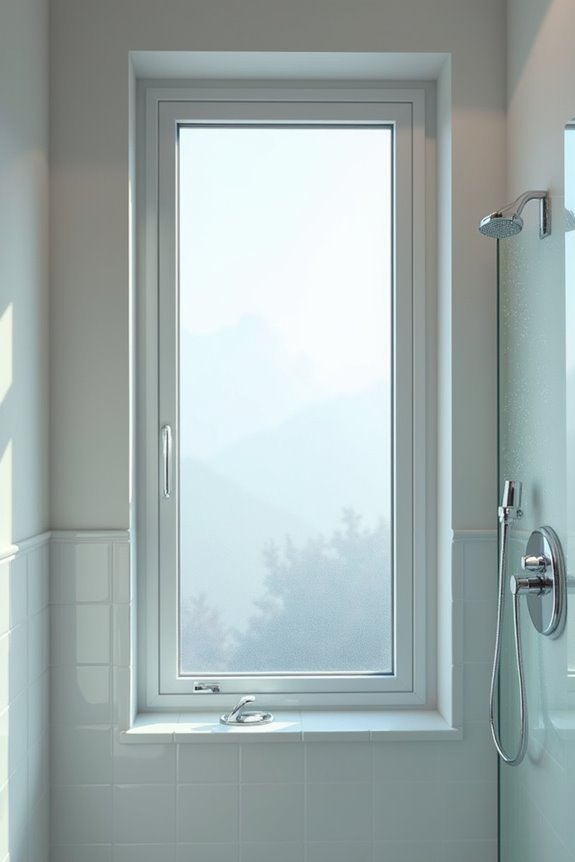
When you’re picking out bathroom windows, the material you choose significantly affects how well it’ll hold up against moisture and humidity. I’ve learned that some frames thrive in steamy bathrooms while others—like wood—can warp and rot if you’re not careful. Let me walk you through which materials actually stand the test of time in these wet environments.

CONVENIENT – automatically turns bath or ventilation fan on/off
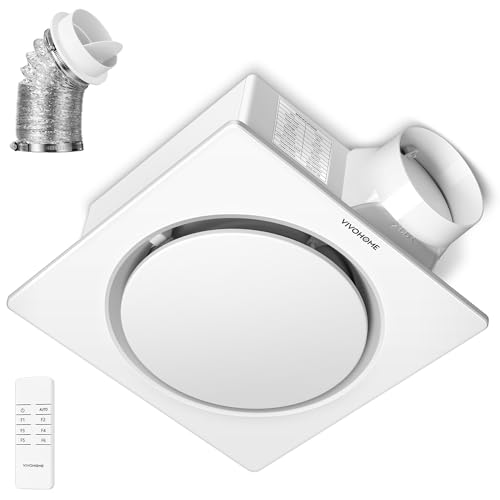
ENERGY-SAVING & LONG-LASTING: The VIVOHOME bathroom exhaust fan with a brushless EC motor delivers 110 CFM at only 12.5W, saving 50% energy over AC motors; Built for a long 30,000-hour life, it allows for easy, tool-free installation with terminal blocks

DURABLE & EFFICIENT: The bathroom exhaust fan is built with lightweight, rust-proof ABS and PP housing; Designed for a long service life of 20,000-30,000 hours, its brushless EC motor with 1-hour auto shutoff saves 50% energy over traditional AC motors; This product has undergone UL safety certification testing
Vinyl’s Superior Performance
If you’re considering a bathroom window, vinyl is the material that stands up best to moisture and humidity. Vinyl windows resist warping, cracking, and fading in steamy bathroom environments where other materials fail. They don’t absorb moisture, which means mold and mildew growth becomes nearly impossible—a practical advantage when you’re cleaning bathrooms regularly.
What makes vinyl effective is its stability during temperature fluctuations. Your shower creates dramatic swings from hot steam to cool air, yet vinyl maintains its integrity. Privacy glazing options like frosted or tempered glass pair well with vinyl for both safety and discretion. Adding acrylic trim around the frame creates watertight seals, extending durability further.
Vinyl windows require straightforward maintenance, needing only occasional wiping. It’s a practical choice for bathroom moisture resistance.
Wood Alternatives And Limitations
Why does wood fail so spectacularly in bathrooms, despite being a classic choice for home design? Wood absorbs moisture like a sponge, causing it to swell, rot, and develop mold—especially around shower areas. I’ve seen beautiful wooden frames deteriorate within years in humid bathrooms.
That’s why vinyl windows have become a preferred option. Their moisture resistance prevents water absorption and structural damage that plagues wood. Unlike wood, vinyl won’t warp or crack from bathroom ventilation cycles.
For added protection near showers, consider tempered glass options. This safety feature resists thermal shock from temperature changes while offering durability wood simply can’t match.
The verdict? Skip wood entirely. Vinyl windows deliver the moisture resistance and longevity your bathroom requires, with minimal maintenance while keeping humidity at bay.
Best Window Styles for Your Bathroom
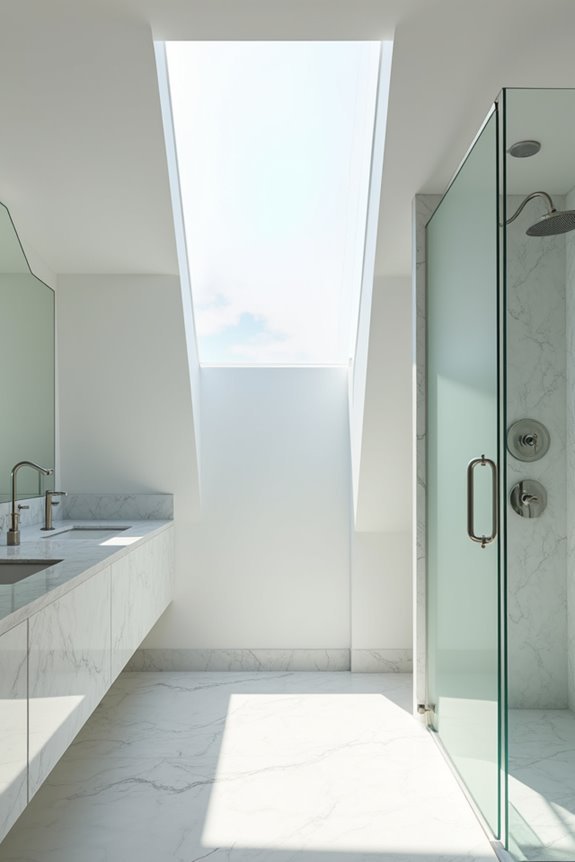
How do you know which window style actually works best in a bathroom?
I’ll walk you through the options that perform well in moisture-heavy spaces:
- Awning windows – They’re my top pick because they open outward from the top, keeping water out while offering privacy glass options
- Double-hung windows – These versatile performers let your top sash vent humidity effectively, plus they’re easier to clean
- Casement windows – They crank fully open for maximum ventilation, ideal above vanities where privacy glass keeps things discreet
- Picture windows – They flood your space with natural light but require a strong exhaust fan since they don’t open
Each style addresses ventilation differently. I’ve found that pairing any window with privacy glass or window films gives you the seclusion you’re after. The right choice depends on your bathroom’s layout and moisture needs.

Subtle style, distinctive features. The perfect fan for today's home

Quiet 0.9 Sones, 110 CFM fan with choice of three designer grilles in Oil Rubbed Bronze, White, or Satin Nickel ; Full 6 year warranty

Quiet 0.9 Sones, 110 CFM fan with choice of three designer grilles in Satin Nickel, White, or Oil Rubbed Bronze; Full 6 year warranty
Can You Add a Bathroom Window to a Windowless Bathroom?
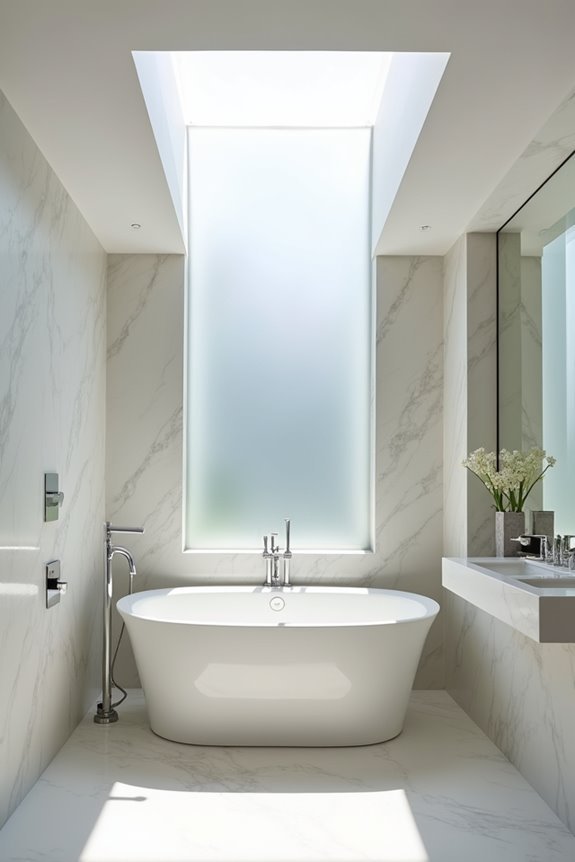
Adding a window to a bathroom that’s trapped on an interior wall—or one facing a neighbor’s fence—might seem impossible, but you have real options. If your bathroom sits on an exterior wall, installing a new window is feasible, though it requires framing adjustments, siding modifications, and structural compatibility assessment. A solar tube offers an alternative for windowless bathrooms, delivering natural daylight without cutting into walls. Both approaches work, but they demand different considerations. Whatever path you choose, prioritize your ventilation system—it must meet code requirements to expel moisture outside. If you do add a window, frosted glass or privacy-rated glazing keeps your space private. A free consultation helps determine what’s actually possible for your specific setup.

Shutter Exhaust Fan: This 6-inch shutter exhaust built with sturdy ABS frame body, high quality motor, high quality ABS thick plastic blades and front panel for durable use

Modern design: Modern design and good looking, the unit provides continuous and quiet ventilation to allow speedy reduction of humidity levels. Paremeters: Air flow 141 CFM, Power:18w, Voltage: 110v

Powerful Ventilation System: This 18W wall-mounted bathroom exhaust fan efficiently removes moisture, odors, and steam from your bathroom, maintaining fresh air circulation throughout the space
Exhaust Fans vs. Bathroom Windows: Which Do You Need?
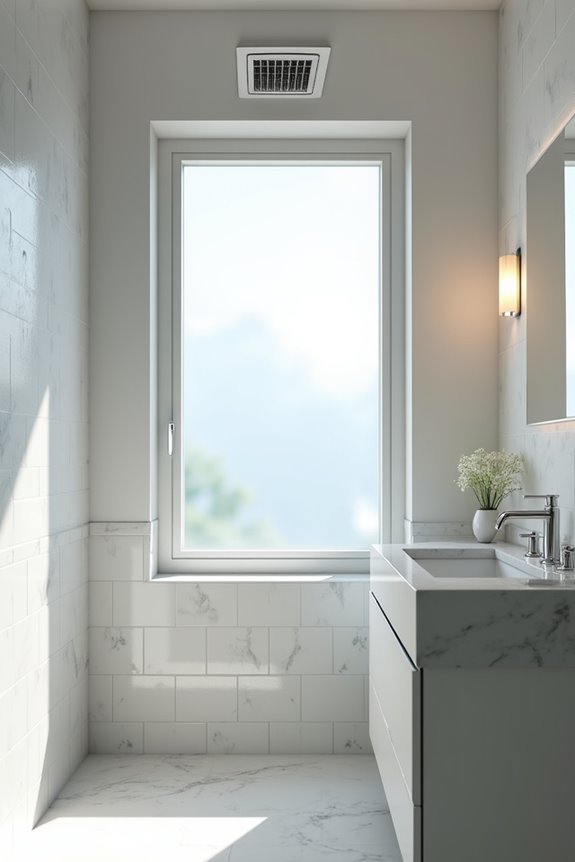
When you’re standing in a steamy bathroom after a hot shower, you’re facing one of those practical home questions: do you absolutely need both a window and an exhaust fan, or will one handle the job?
Here’s what works best:
- Exhaust fans pull moisture directly outdoors, protecting against mold and mildew
- Bathroom windows offer natural light, fresh air, and ventilation
- Combining both gives you optimal air circulation and moisture control together
- Going without either leaves humidity trapped, risking damage over time
If you’re choosing between them, an exhaust fan is your practical choice. A properly sized fan (50 CFM or higher) handles the moisture control that code requires. But here’s the thing—if you can manage both, you’re getting natural ventilation plus reliable humidity management. That’s the preferred combination for most homeowners.

Super quiet bathroom fan (1.0 sones) and Strong air movement (50CFM) for bathroom up to 50 Sq. Ft. Recommened for use in small room. Note: Use 3 inch ducting.

PERFORMANCE: DC motor fan is tested to run continuously for 70,000 hours (8 years)

Effective Exhaust: This 7-inch exhaust fan provides efficient ventilation for smaller spaces, effectively removing odors, moisture, and grease from the air, helping to maintain a healthier environment.
Privacy Solutions for Bathroom Windows
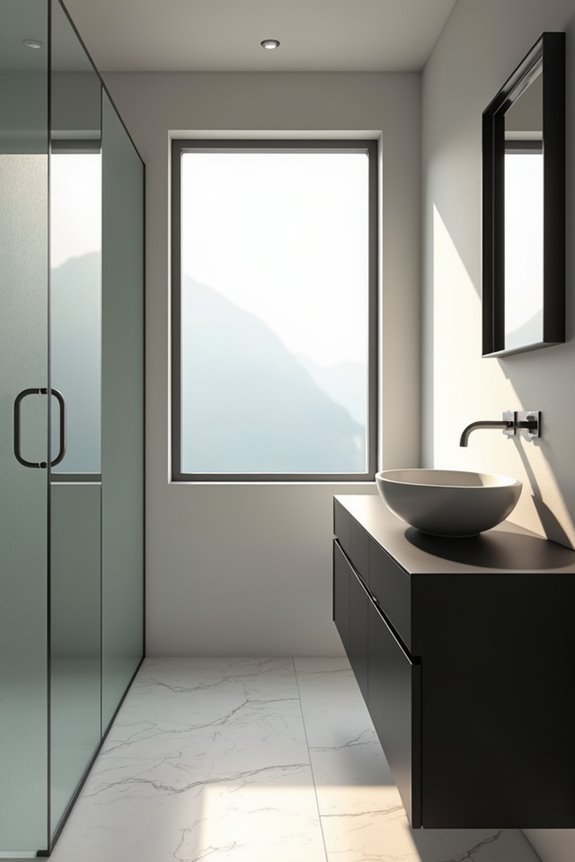
Privacy in a bathroom window doesn’t have to mean sacrificing natural light—you have several practical options that’ll let you enjoy sunlight without worrying about neighbors peeking in.
| Solution | Cost | Privacy Level | Natural Light |
|---|---|---|---|
| Frosted Glass | $200–$500 | High | Good |
| Window Films | $20–$60 | Medium | Good |
| Top-Down/Bottom-Up Shades | $50–$150 | Adjustable | Excellent |
| High Placement (5.5+ feet) | Varies | Medium | Good |
| Cellular Shades | $75–$200 | Adjustable | Excellent |
Window films offer budget-friendly flexibility—they can be removed without permanent changes. Frosted glass provides elegant permanence if you’re staying put. Consider high placement during window selection; retrofitting frosting later feels like an afterthought. Adjustable shades give you control: open them when you want daylight, close them for privacy. You’re not choosing between brightness and seclusion; you’re finding your balance.

Dimensions and Fit: Housing size 7.5 x 7.2 x 4 inches; Grille cover measures 9.4 x 8.6 inches; Includes 4-inch duct diameter for flexible installation; recommended ceiling cutout size 7.6 x 7.3 inches.

12-inch Classic LED Light: Only bright cool white (6500K), non-adjustable color temperature.

Signs It’s Time to Replace Your Bathroom Window
How do you know when your bathroom window has genuinely reached the end of its life? I’ve noticed several telltale indicators that signal replacement time.
- Persistent condensation between the panes indicates seal failure and moisture intrusion, reducing insulation effectiveness
- Visible warping, cracking, or peeling trim around the frame compromises structural integrity and water resistance
- Peeling or bubbling paint on interior walls near the window suggests ongoing moisture damage and potential mold risk
- Difficulty opening smoothly or sealing tightly hinders ventilation and causes high humidity levels
When windows no longer function properly, they can’t manage bathroom moisture effectively. I’ve learned that drafts or significant temperature differences around the window area point to degraded performance. Addressing these signs promptly prevents costly water damage and protects your family’s health.

Retrofit Bathroom Vent Fan with Humidity Control: This fan features a condensation sensor that helps control bathroom condensation and remove humidity; Automatic sensor turns fan on when humidity is detected

EFFICIENT & QUIET MOTOR: This bathroom exhaust fan delivers 240CFM constant airflow to clear steam and odors in 120-280 sq.ft; 0.1 Sone ultra-quiet DC brushless motor for low-loss run; Rust-resistant metal shell for stable, durable wet-environment use

Very quiet bathroom fan (1.5 sones) and Strong air movement (80CFM) for bathroom up to 85 Sq. Ft
So, Do You Actually Need a Bathroom Window?
The truth is, you don’t technically need a bathroom window to meet building codes—but that doesn’t mean you shouldn’t want one. Most regions allow a properly sized exhaust system to handle ventilation requirements instead. However, windows offer benefits beyond legal compliance.
| Feature | With Window | Without Window |
|---|---|---|
| Natural Light | Yes, reduces daytime costs | Requires artificial lighting |
| Moisture Control | Passive air exchange when open | Depends entirely on exhaust system |
| Mold Risk | Lower with passive ventilation | Higher without dehumidifier support |
| Ambiance | More spacious feeling | Smaller feeling space |
A window gives you passive moisture control by letting air circulate naturally. Without one, your exhaust system becomes non-negotiable—it’s your only defense against mold and mildew. If you’re choosing between upgrading your ventilation or adding a window, consider what matters most: natural light and passive airflow, or a dependable mechanical system?
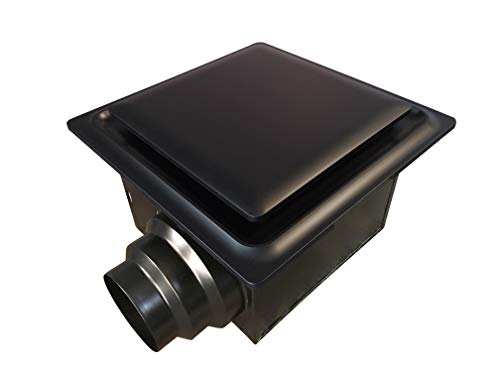
Quiet 1. 1 Sones, 110 CFM fan with choice of three designer grilles in Oil Rubbed Bronze, White, or Satin Nickel fits 2"x8" joists with 6 year full

CR SMART BUY – Rated on Consumer Reports’ “Best Bathroom Exhaust Fans of 2024” list, the Kaze Appliance SNP100 offers top-notch airflow, impressively quiet operation, and exceptional value.
Quiet 0.4 Sones, 80 CFM fan with choice of three designer grilles in White, Satin Nickel, and Oil Rubbed Bronze fits 2”x8” joists with 6 year full warranty