
A standard full bathroom typically measures around 5×8 feet—that’s roughly 40 square feet. You’ll find it includes a sink, toilet, and either a bathtub or shower. If you want more comfortable movement, consider 6×10 feet (60 square feet) instead. The key clearances you’ll need are 24 inches in front of the toilet and a 36-inch walkway for circulation. These baseline dimensions help you plan renovations and understand what layouts actually work in your space.
What Is a Standard Full Bathroom Size?
What Is a Standard Full Bathroom Size?
Ever wonder why some bathrooms feel cramped while others let you move around freely? The answer lies in understanding what constitutes a standard bathroom size. A typical full bathroom measures around 5×8 feet, offering roughly 40 square feet—the bare minimum for comfortable functionality. However, many homeowners prefer the more spacious 6×10 feet layout, providing 60 square feet of usable space.
Here’s what you’ll find in most standard designs: a sink, toilet, and either a bathtub or shower positioned strategically along one or two walls. This layout maximizes your movement while maintaining the dimensions that work for most homes. The key to feeling comfortable? Those essential 24-inch clearances in front of fixtures and a 36-inch accessible walkway help prevent constantly bumping elbows or knees. These measurements create bathrooms where you can actually breathe and move naturally.

Easy Customization: Unbound edges to easily cut to size to fit into any bathroom space that is needed

Easy Customization: Unbound edges to easily cut to size to fit into any bathroom space that is needed

Easy Customization: Unbound edges to easily cut to size to fit into any bathroom space that is needed
Secondary Full Bathrooms: Comfortable vs. Minimal Sizing
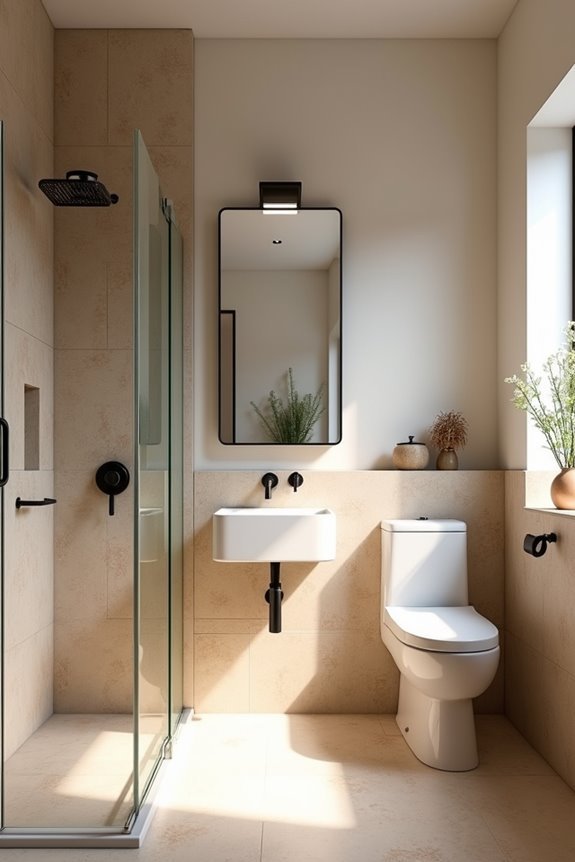
When you’re designing a secondary bathroom—say, for guests or a hallway—you’ll find yourself balancing two competing goals: fitting everything you need into limited space while keeping the room functional and comfortable. Most secondary baths range from 40 to 60 square feet, and the difference between a cramped layout and one that actually works often comes down to smart planning around those key fixtures. Let’s explore what separates a minimal setup from a genuinely usable space, and how you can make the most of whatever square footage you’re working with.

MACHINE WASHABLE: Machine wash on delicate cycle (do not use bleach) at 85°F (30°C) and line dry or dry on air-only cycle without heat. Vacuum regularly and spot clean small stains. This easy to clean rug is perfect for families with kids and pets, and for high traffic areas.

MACHINE WASHABLE: Machine wash on delicate cycle (do not use bleach) at 85°F (30°C) and line dry or dry on air-only cycle without heat. Vacuum regularly and spot clean small stains. This easy to clean rug is perfect for families with kids and pets, and for high traffic areas.

MACHINE WASHABLE: Machine wash on delicate cycle (do not use bleach) at 85°F (30°C) and line dry or dry on air-only cycle without heat. Vacuum regularly and spot clean small stains. This easy to clean rug is perfect for families with kids and pets, and for high traffic areas.
Minimal Space Planning
How do you fit a fully functional bathroom into just 36–40 square feet without it feeling like a closet? The answer lies in smart minimal space planning for small bathrooms.
Smart Layout Choices
A one-wall design or compact footprint arrangement keeps everything accessible without wasting floor space. I’ve found that wall-mounted fixtures—sinks and toilets—preserve precious square footage and make cleaning easier.
Door Strategy
Skip the traditional swinging door. A pocket door slides away completely, eliminating clearance conflicts in tight quarters.
Key Measurements
You’ll want 24 inches of front clearance at the toilet and 30 inches of circulation space. These aren’t optional; they’re what make cramped spaces genuinely usable bathrooms. With intentional planning, minimal doesn’t mean sacrificing function.
Comfortable Layout Standards
What’s the sweet spot between cramped and spacious for a secondary bathroom? I’d say it’s around 60 square feet—that’s roughly 6 by 10 feet. This square footage gives you breathing room that a tight 40-square-foot layout simply can’t match.
At this comfortable size, you can separate your wet and dry zones, meaning your shower won’t splash everything. You’ll fit a 60-inch to 72-inch vanity, a standard shower, and maintain legroom around the toilet. For accessibility or aging-in-place considerations, aim for 60 inches of turning clearance diameter and a 32- to 36-inch doorway. These measurements create a layout that’s genuinely livable rather than merely functional.
Master Bathroom Dimensions: Small, Average, and Large Layouts
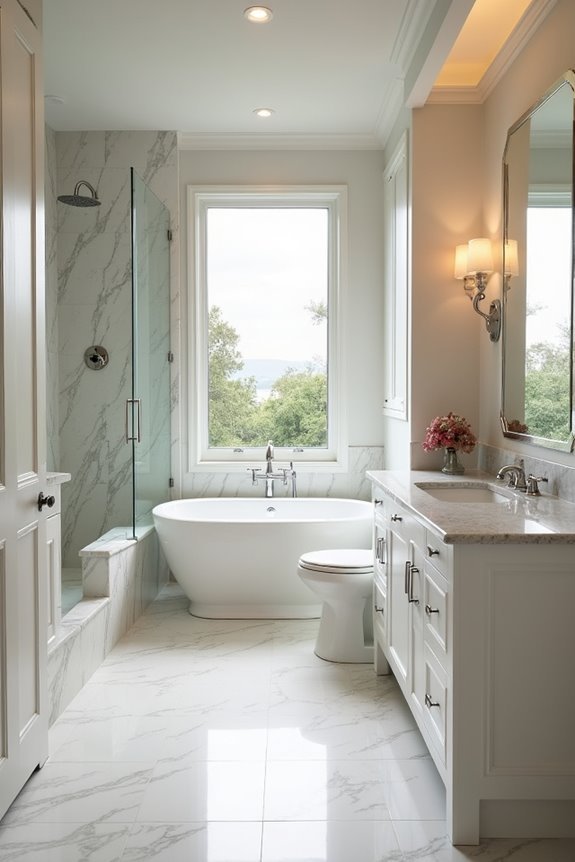
Master bathrooms come in three distinct sizes, each designed for different needs and spaces. Small layouts span around 48–80 sq ft, average master baths range from 40–100 sq ft, and spacious options cover 100–200+ sq ft. Understanding these categories helps you plan features like double vanities, walk-in showers, and freestanding tubs based on how much room you’re actually working with.

Universal Flexible Toilet Hose: 24" toilet connector offers exceptional flexibility to make toilet water line connection fast and hassle-free, even in tight spaces.

Use Every Bit of Wall Space - Installing 24 inch floating shelves (Size: 24"L x 6"D x 2.2"H) set of 3 can help you add both storage space and stylish to your bathroom, bedroom, closet, Kitchen etc., and they don't need to take up a single square foot. Forbena Floating shelves with lip can hold everything from daily essentials like skincare serums and washcloths to decorative items like indoor plants, fresh flowers or framed artwork.

4-Piece Set. This bathroom hardware set includes a 24 inch towel bar, towel ring, toilet paper holder and towel hook.
Small Master Bath Layouts
When you’re working with a compact master bathroom, you’re actually looking at a design challenge that’s more common than you’d think. Small master bath layouts typically start around 40 square feet, which sounds tight until you understand what’s possible.
A compact master bath fits nicely in a 6×6 to 6×8 feet space, accommodating a shower, sink, and toilet while maintaining proper fixture clearance. Your shower footprint can measure 36×36 inches, or even 30×30 inches if space demands it.
The real trick? Strategic wet/dry zoning. You’ll want to position your shower away from your vanity area to keep things organized. Consider a single vanity or split arrangement across two walls rather than a double vanity—it preserves precious width without sacrificing functionality.
Average Master Bath Sizing
How do you know if your master bathroom falls into the “average” category? Most homeowners find themselves in the 40–100 sq ft range, which works well for practical purposes. You’re looking at roughly 6×8 to 8×10 feet—spacious enough for comfort without excessive square footage.
An average master bathroom typically accommodates double vanities, giving you and your partner dedicated sink space. You’ll likely fit a walk-in shower comfortably, and maybe squeeze in a makeup vanity for those morning routines. This sizing lets you avoid cramped quarters while keeping renovation costs reasonable.
Think of it this way: you’re beyond basic configurations but not yet in the luxury category. You have practical design—enough room to move around, store essentials, and enjoy your morning routine without bumping elbows constantly.
Large Luxury Master Baths
What separates a good bathroom from one you’d never want to leave? Space and thoughtful design. Large luxury master baths—those exceeding 110–200+ square feet—offer distinct advantages for your daily routine.
These expansive layouts, often 12×12 feet or larger, let you incorporate premium amenities. A double vanity provides everyone their own space, a walk-in shower offers room to move, and a freestanding tub allows for relaxation. The square footage enables effective layout planning: a dedicated wet zone houses bathing areas, while a separate dry zone accommodates dressing and makeup spaces.
When you invest in luxury features like these, your bathroom becomes a personal retreat. It’s where you start and end each day feeling cared for—and that has real value.
Three-Quarter Bathrooms: Shower-Only Sizing
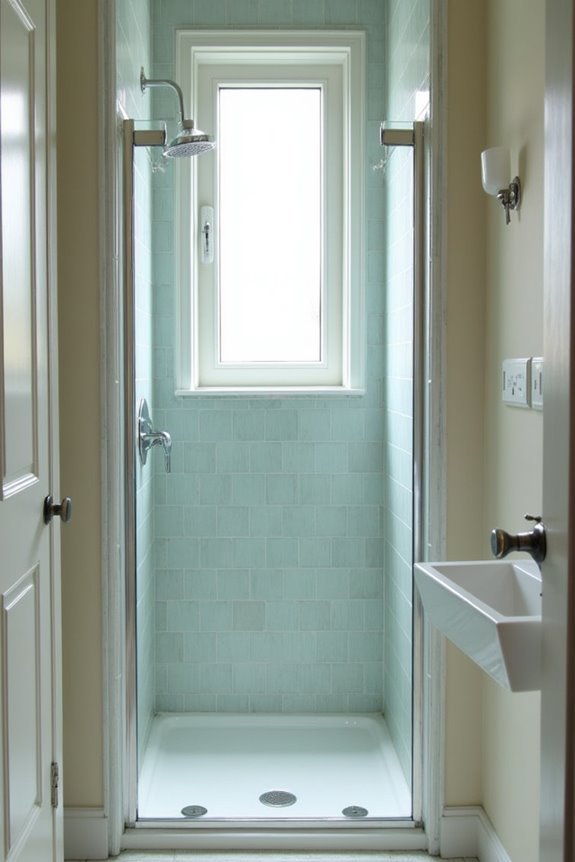
Perhaps you’re designing a guest bathroom or secondary space where you’d like to skip the tub altogether—that’s where three-quarter bathrooms work well. A typical three-quarter bath fits nicely into a 32–36 square feet footprint, roughly 6×6 to 6×8 feet, making it practical for guest rooms or secondary bathroom situations.
The shower becomes your main feature here. Standard shower size targets about 36×36 inches, though you can minimize down to 30×30 inches if space tightens. Corner showers and sliding doors help maximize usable area without feeling cramped.
You’ll still include your sink and toilet, but the thoughtful layout preserves circulation space around all three fixtures. This balanced approach gives you functionality without excess, delivering comfort where it counts most.

CANVAS WALL ART SIZE:24"x12"(30x60cm). You will get 3 panels as a set.The total size is 36"x24"(60x90cm).

Elegant Beveled Edges & Frameless Design: The diamond-beveled edges create captivating light reflections, while the minimalist frameless construction offers a sleek floating aesthetic. 18 x 36 inch bathroom frameless mirror Ideal for bathroom decoration, this mirror helps make the space appear brighter and more spacious.

Measurements - 72 inches long x 36 inches wide. includes hooks. no liner is needed.
Half Bathrooms and Powder Rooms: Compact Space Solutions
When I’m designing a powder room, I’m working with roughly 18–20 square feet—think a 3×6 or 4×5 space—which means every decision about layout and fixtures matters. You’ll want to focus on optimal dimensions and layouts that fit a toilet and sink without the bulk of a shower or tub, plus space-saving design solutions like mirrors and light colors that make the area feel bigger than it actually is. These compact bathrooms work best near entryways or living areas where guests can access them easily, and pocket doors (instead of swinging ones) keep the tight footprint functional and uncluttered.
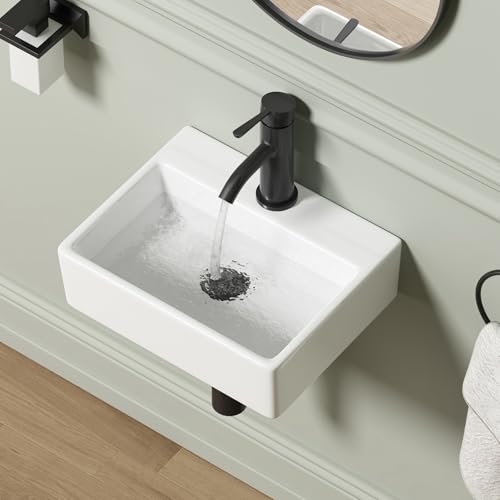
Compact Design: The Rectangular wall-mount bathroom sink measures 15" x 12" x 4.7", providing a stylish yet space-saving solution, Ideal for bathrooms, RV, small cloakrooms, guest rooms and other limited spaces

Larger And Deeper - The dimension of this wall mounted bathroom sink is 21*16*6 inch, included chrome finished overflow to catch rising water and improving draining speed. Our wall mounted white sinks are widely used in home bathroom, restaurant, Office building, school, indoor or outdoor

Optimal Dimensions And Layouts
How do you squeeze function into a space that feels almost too small to work with? I’ve found that optimum dimensions for half bathrooms—typically 3×6 to 4×5 feet—work well when you’re intentional about space planning.
Here’s what I prioritize:
- One-wall layout: Positioning your sink and toilet along a single wall maximizes usable floor space
- Clearance requirements: I maintain at least 24 inches of front clearance and 15 inches from toilet centerline to side walls
- Strategic fixtures placement: Compact vanities and wall-mounted options preserve precious square footage
- Accessibility: A 36-inch center walkway allows comfortable movement, even in tight quarters
Your standard bathroom doesn’t need to feel cramped. By respecting these measurements and embracing efficient design, you create a guest space that functions well rather than feels squeezed.
Space-Saving Design Solutions
Smart Layout Choices
A one-wall full bath arrangement—fitting toilet, sink, and shower along a single wall—maximizes your floor area. This layout works especially well in tight spaces.
Fixture Freedom
Wall-mounted fixtures free up floor space, making movement easier. Sliding doors or pocket doors prevent the awkward fixture obstruction problem traditional swing doors create.
Visual Expansion
Light colors and strategically placed mirrors enhance perceived size. These simple additions make bathrooms feel airier.
Clearance Matters
Remember: 24 inches in front of the toilet and 15 inches from centerline to walls keep things functional. These measurements help your compact bathroom remain comfortable and usable.
Quarter Bathrooms: Single-Fixture Designs for Tight Spaces
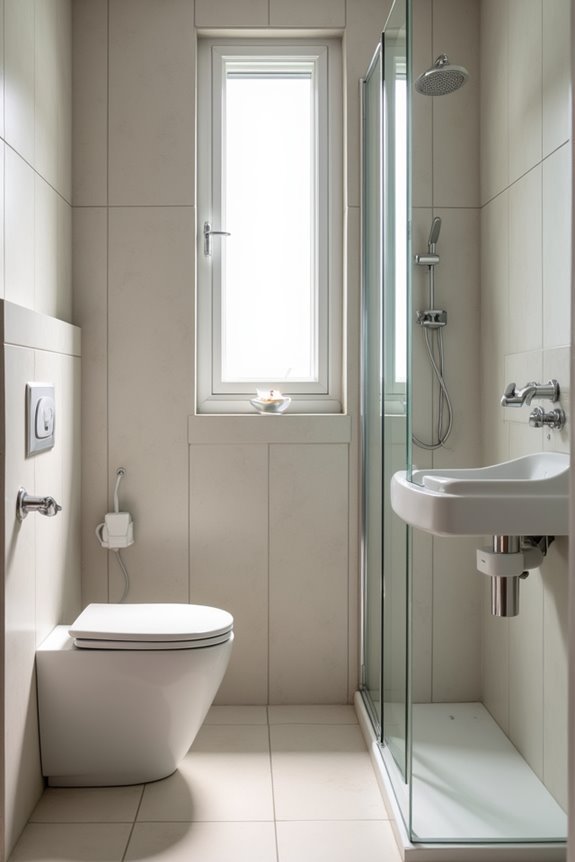
Ever noticed how some homes squeeze a functional bathroom into a space barely larger than a closet? That’s a quarter bathroom—your practical tool for maximizing tight spaces.
Quarter bathrooms typically range from 12–15 square feet, making them perfect for fitting under stairs, basements, or awkward corners. I’ve found that embracing a single fixture design works best:
Quarter bathrooms at 12–15 square feet fit perfectly into tight spaces when designed around a single, strategic fixture.
- Toilet-only setup for powder rooms near living areas
- Sink-focused design when you need hand-washing convenience
- Compact toilet-sink combo balancing both functions efficiently
- Minimal layout eliminating unnecessary elements to preserve flow
These compact layouts succeed through deliberate choices. Durable vinyl flooring or small-format tiles handle moisture while staying easy to clean. You’re not sacrificing functionality here—you’re being strategic. Quarter bathrooms prove that sometimes, less really does deliver exactly what you need.
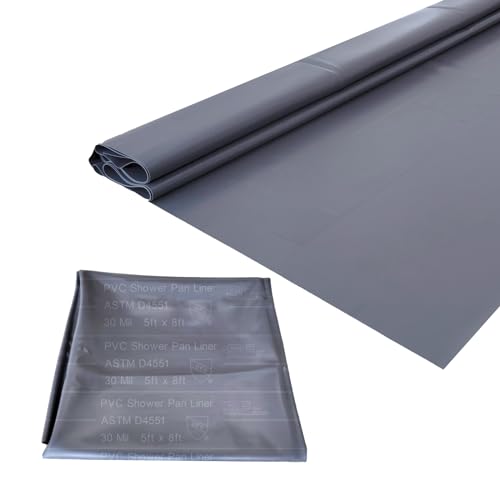
Material: PVC flexible type. Size: 5' x 8' shower pan liner sheet. Color: grey. Ready-to-use waterproofing membrane

POLISH CHROME & SQUARE DESIGN: Our 5 light bathroom vanity light combines a polish chrome metal frame with thick square design back plate, glass shades for a look that's simple yet elegant. The anti rust bathroom light fixtures is your best choice and will provide ample lighting for your bathroom, restroom, toilet, living room, bedroom, hallway, cabinet, porch, kitchen, farmhouse and more.

DIMENSIONS: Spacious outdoor bathroom unit measuring 7ft 4in x 5ft x 8ft, perfect for commercial or residential outdoor spaces
Walk-In Showers: Extra Length Requirements and Space Planning
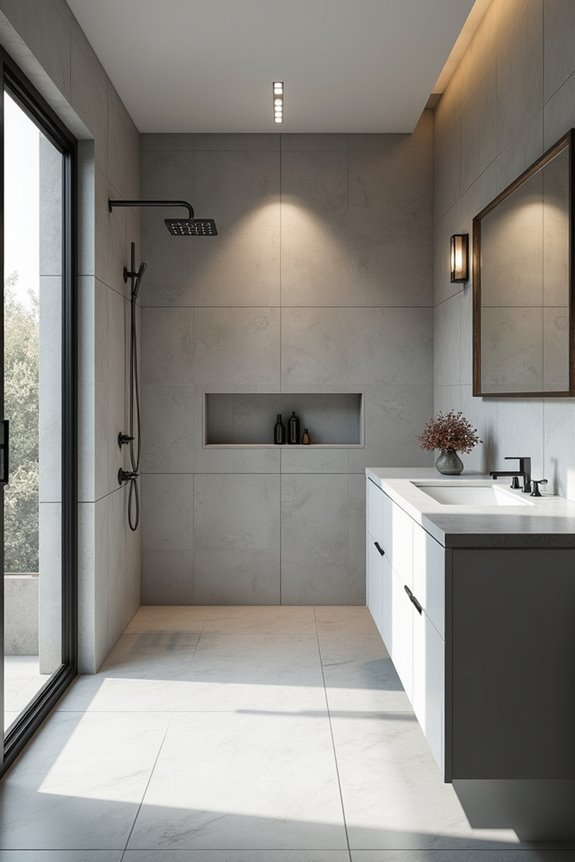
When you’re designing a bathroom with adequate space, the shower’s length becomes one of your most important decisions. I’ve found that planning for at least 48–60 inches of walk-in shower length gives you genuine comfort and accessibility without cramping your space.
Your Minimum Footprint
Start with 36 by 36 inches, though 36 by 48 inches works better for actual elbow room. In compact bathrooms, this longer run along one wall preserves your overall footprint while improving usability.
Door Clearance Matters
Longer showers benefit from sliding or pivot doors, preventing swing interference in tight quarters. If accessibility concerns you—aging-in-place planning, for instance—targeting 60 inches lets you add grab bars and maneuvering space without crowding other fixtures. These measurements aren’t luxuries; they’re practical foundations for bathrooms where you’ll actually feel comfortable.

MACHINE WASHABLE: Machine wash on delicate cycle (do not use bleach) at 85°F (30°C) and line dry or dry on air-only cycle without heat. Vacuum regularly and spot clean small stains. This easy to clean rug is perfect for families with kids and pets, and for high traffic areas.

MACHINE WASHABLE: Machine wash on delicate cycle (do not use bleach) at 85°F (30°C) and line dry or dry on air-only cycle without heat. Vacuum regularly and spot clean small stains. This easy to clean rug is perfect for families with kids and pets, and for high traffic areas.

MACHINE WASHABLE: Machine wash on delicate cycle (do not use bleach) at 85°F (30°C) and line dry or dry on air-only cycle without heat. Vacuum regularly and spot clean small stains. This easy to clean rug is perfect for families with kids and pets, and for high traffic areas.
Luxury and Spa-Style Bathrooms: Premium Square Footage Guidelines
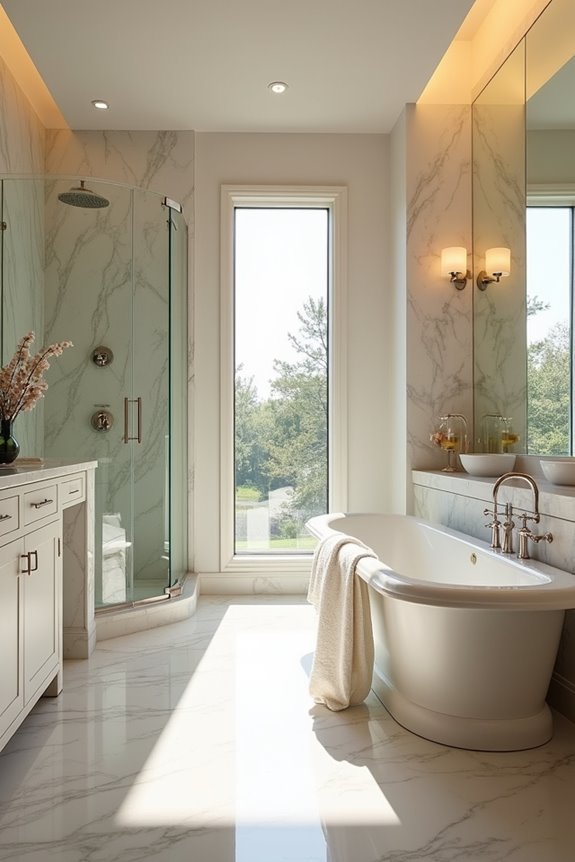
Luxury bathrooms typically span 100–200+ square feet, giving you room to breathe and relax. For that spa-style experience you’re seeking, consider these premium features:
- Double vanities for shared morning routines without crowding
- Freestanding tubs positioned as focal points alongside your walk-in shower
- Large-format tiles that create seamless, cohesive surfaces
- Separate water closets for privacy and function
A master bath works best within an 8×12 ft footprint or larger, allowing integrated storage and ample lighting to flourish. Natural stone or porcelain flooring grounds the space, while thoughtful wet-dry zoning keeps everything organized and beautiful—your personal sanctuary awaits.
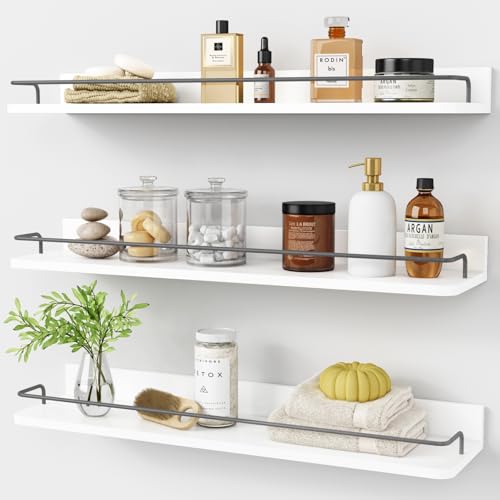
Use Every Bit of Wall Space - Installing 24 inch floating shelves (Size: 24"L x 6"D x 2.2"H) set of 3 can help you add both storage space and stylish to your bathroom, bedroom, closet, Kitchen etc., and they don't need to take up a single square foot. Forbena Floating shelves with lip can hold everything from daily essentials like skincare serums and washcloths to decorative items like indoor plants, fresh flowers or framed artwork.


[DURABLE MATERIAL]: The hardside luggage set using high-strength, high tenacity ABS material, not easily deformed to ensure long-term use, the surface is easy to clean, the texture of scratch-resistant to ensure the beauty of the luggage.
Measuring Your Bathroom: A Remodeling Checklist
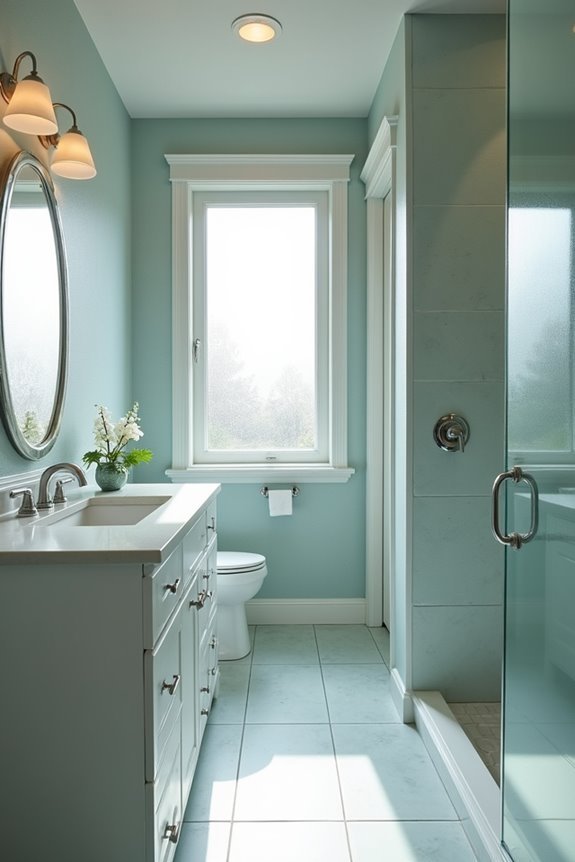
Before you start knocking down walls or ordering new fixtures, wouldn’t it make sense to know exactly what you’re working with? I’d measure your floor’s length and width first—this square footage becomes your foundation for every decision ahead.
| Measurement | Why It Matters | Your Space |
|---|---|---|
| Floor dimensions | Determines layout options | _____ sq ft |
| Fixture rough-ins | Reveals relocation costs | Toilet: _____ in |
| Door swings & clearances | Maintains usable space | _____ inches |
Next, I’d map your fixture rough-ins and door swings. Record that toilet’s 12-inch rough-in and required 24-inch front clearance. Check ceiling height—you’ll want at least 80 inches minimum. These measurements guide your entire layout planning, preventing expensive surprises when contractors arrive.

Measurements - 72 inches long x 36 inches wide. includes hooks. no liner is needed.
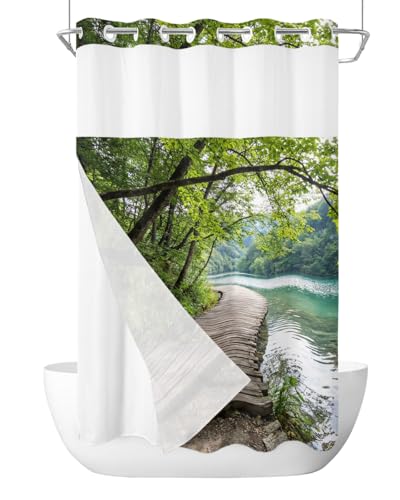
Double-Layer Bathtub Curtains: Our shower curtain with liner is made of premium polyester, lightweight, exquisite stitches and soft comfortable to touch. The bathroom shower curtain lining side is separated from the outer curtain, the magnets on corners inside to hold the lining part in place and better drape, so no cold air seeps in when you shower. This hotel quality fabric shower curtain sturdy ensures long-term use, elegant piecing details give you a luxury hotel-like shower experience

Double Layer Bath Curtain Set: This double layer shower curtain is made of high quality polyester fabric, soft, sturdy, and not easy to damage. This no hook shower curtain measures 36 inches wide and 72 inches long, with 6 plastic grommets. The lining uses a snap-on fastener system for easy removal, suitable for most family bathrooms. Magnets at the inner corners secure the lining, preventing cold air from seeping in during showering and allowing the curtain to drape elegantly
Accessible Bathrooms: Starting Size Guidelines
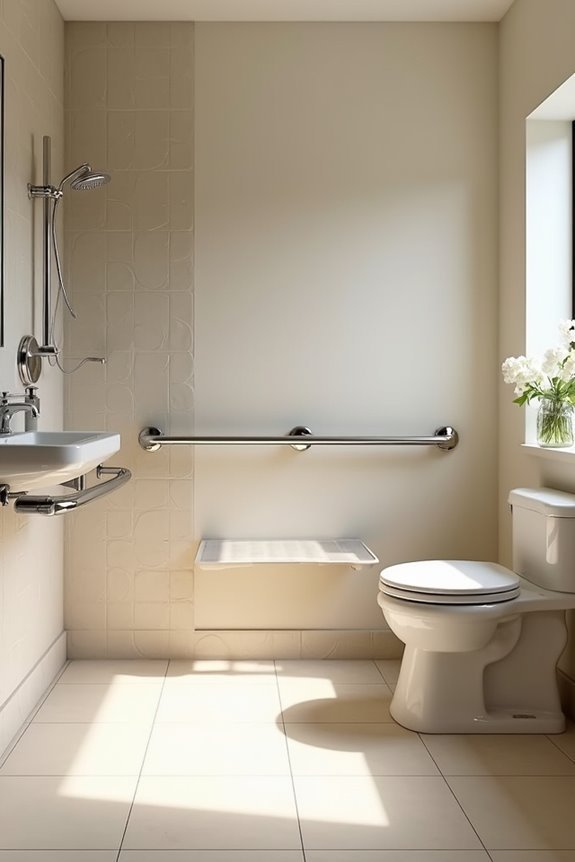
When planning an accessible bathroom, it’s important to understand that it’s not just about fitting in the essentials—it’s about creating space where everyone can move safely and independently. You’ll want to understand the ADA turning radius requirements, which demand at least 60 inches to let a wheelchair spin around comfortably, along with the clearance measurements that keep fixtures functional for all users. Getting your baseline accessible layout size right from the start means measuring doorways (36 inches minimum), planning clearance around toilets (24 inches in front), and positioning grab bars within reach (44 inches from the floor), so you’re not retrofitting later.

This item is a American Standard 0321.026.020 Declyn 4-inch centerset wall mount sink, white

Wall-mounted Bathroom Vessel Sink: 18.1 x 16.5 x 6.1 inches wallmount sink with installation accessories, Made of high-quality and durable ceramic material, it has a smooth and stain-resistant surface, is easy to clean, and is as good as new for a long time

ADA Turning Radius Requirements
How much space does someone in a wheelchair actually need to move around comfortably? It’s more than you’d think. The ADA turning radius requirement is substantial because maneuvering isn’t just about fitting through a doorway; it’s about moving with dignity and independence.
What makes accessible bathrooms work:
- A 60-inch diameter clear floor space allows a full 360-degree turn
- 36-inch doorways provide necessary wheelchair access without squeezing
- Grab bars positioned within 44 inches from the floor offer stability during transfers
- Toilet height set at 17–19 inches enables comfortable, safe use
When you design with these measurements, you’re creating bathrooms where everyone can navigate freely. That clear floor space becomes a circle of possibility, making a basic bathroom into a genuinely accessible space.
Essential Clearance Measurements
When I design an accessible bathroom, I start with clear floor diameter—you need 60 inches of turning space for wheelchair maneuverability. That’s your foundation. Next comes door width: a minimum 36-inch opening lets you enter comfortably without awkward angles.
Here’s what I prioritize for fixtures:
- Sink height: 34 inches maximum with knee clearance underneath
- Front clearance: 24 inches extending from the toilet
- Side clearance: 24 inches from the centerline to walls
These measurements aren’t arbitrary. They’re the difference between struggling and moving freely. When knee clearance exists beneath sinks and adequate accessible space surrounds fixtures, you’ve created a bathroom where everyone belongs.
Baseline Accessible Layout Size
So what’s the actual footprint you’re working with when you design an accessible bathroom? I’ll break down the baseline accessible layout size for you:
- Turning radius: You’ll need a 60-inch space so wheelchairs can rotate comfortably
- Door width: Aim for at least 36 inches so mobility devices pass through easily
- Clear floor space: Maintain 24 inches of clearance in front of toilets for positioning
- Toilet height: Install fixtures between 17–19 inches from floor to seat
These fixture clearances and turning radius requirements create a larger footprint than standard bathrooms. You’re probably looking at notably more square footage, but here’s the payoff: you’re building a space where everyone feels welcome and independent. That’s worth the extra planning.
Jack-and-Jill and Ensuite Bathrooms: Size and Layout for Shared Spaces
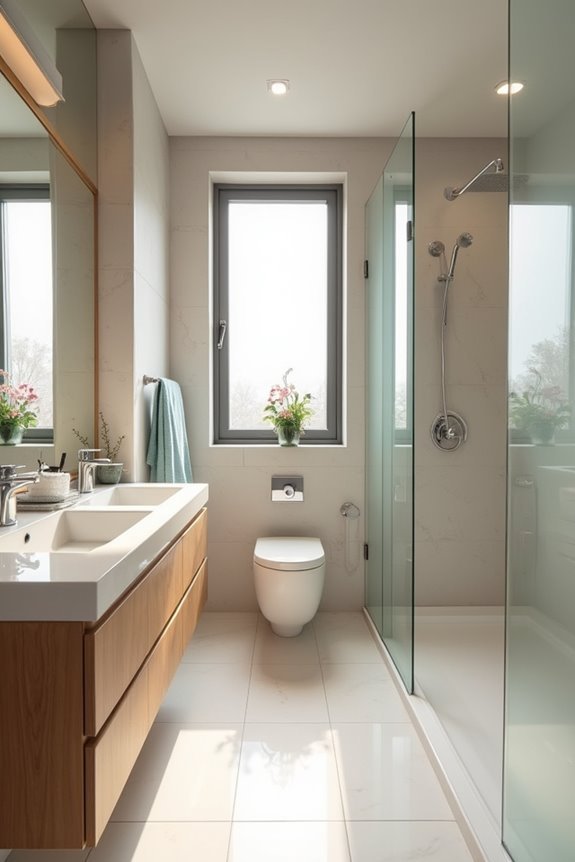
Why do shared bathrooms feel so much trickier to design than single-user ones? You’re balancing two people’s needs in one space, which demands thoughtful planning.
Shared bathrooms demand thoughtful planning—you’re balancing two people’s needs in one compact space.
Jack-and-Jill and Ensuite Basics
A jack-and-jill bathroom connects two bedrooms with dual access doors, while an ensuite serves one primary bedroom. Both require strategic fixture placement to maximize functionality without sacrificing privacy or comfort.
Key Design Considerations
Your layout matters tremendously. Longer designs preserve your footprint while accommodating double vanities or larger showers—features that shared spaces benefit from. Circulation clearance around fixtures prevents bottlenecks when both users need access simultaneously.
Center-entry or two-wall configurations work well, depending on your space. You’ll want at least 36-42 inches of clearance before the toilet or vanity for safe, comfortable movement.
Thoughtful design makes shared bathrooms functional, welcoming spaces for everyone.
How Household Size Influences Bathroom Count?
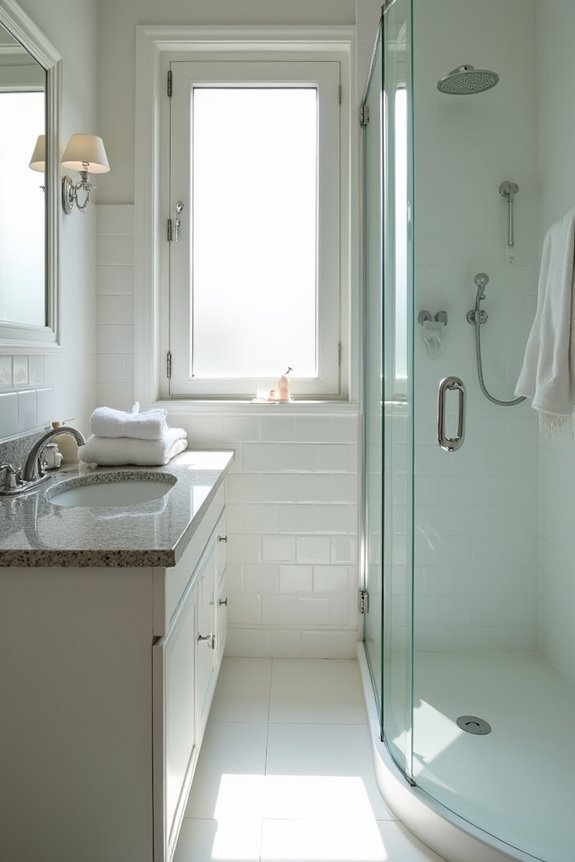
Once you’ve figured out how to make a jack-and-jill or ensuite work for two people sharing one space, you’ll quickly realize that adding more household members changes everything.
I’ve noticed that bathroom count directly impacts daily life. Consider these guidelines:
- Homes with four or fewer occupants typically need at least two full bathrooms
- Households exceeding four residents benefit from additional half bathrooms strategically placed
- Peak-hour congestion decreases significantly with proper space planning
- Resale value increases when bathroom count aligns with occupancy levels
Your household size determines functional necessity rather than excessive luxury. More residents mean overlapping routines—morning showers, getting ready simultaneously, unexpected needs. I recommend balancing full bathrooms with half bathrooms throughout your home. This approach supports accessibility, reduces bottlenecks, and allows everyone to feel accommodated without wasteful overbuilding.
How Bathroom Size Affects Your Remodel Budget
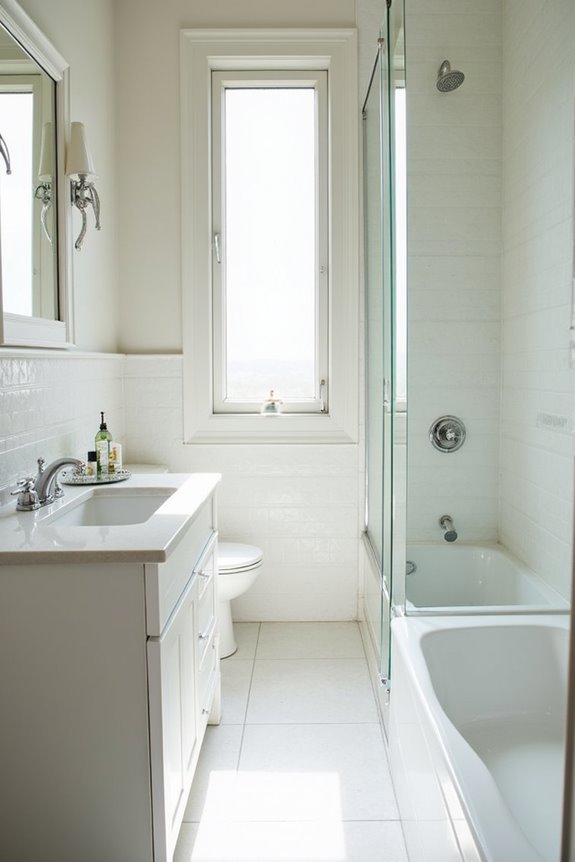
your space’s square footage directly determines how much you’ll spend.
When I tackled my own remodel budget, I discovered that bathroom size shapes everything. A modest 40-square-foot bath runs $4,500–$8,500 for basics, while a sprawling master bath at 100–150 square feet jumps to $6,000–$25,000 or beyond.
Why Size Matters
Footprint expansion demands more materials—additional tiles, longer plumbing runs, increased labor hours. Your costs per square foot may dip slightly with volume, yet your total project scope still climbs considerably.
Planning Around Your Space
I learned that understanding typical bathroom sizes helps set realistic expectations. A small full bath differs vastly from a luxury master, so matching your desired features to your square footage prevents budget surprises and keeps your remodel timeline manageable.
Sizing for Your Budget and Resale Goals
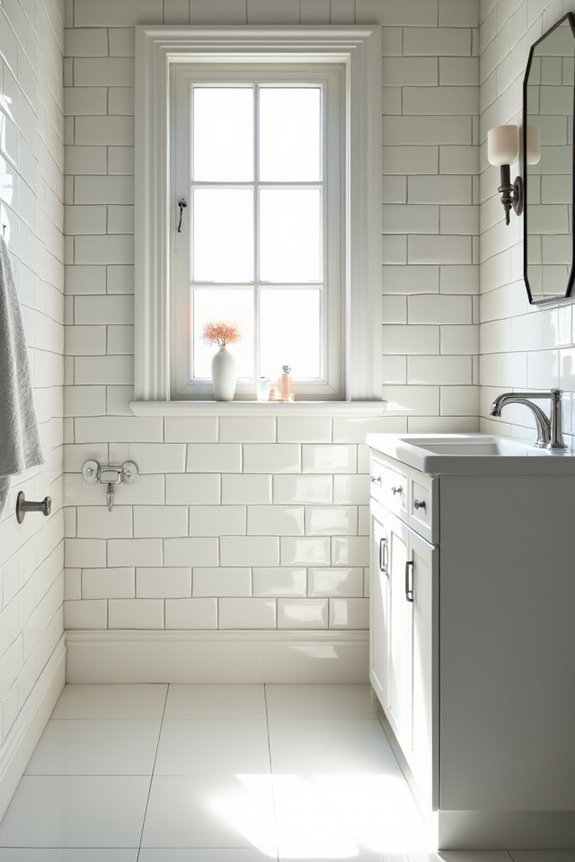
How do you pick the right bathroom size when you’re juggling what you can spend today against what buyers might want tomorrow?
Balancing budget with resale value requires strategic planning. Here’s what I consider:
- Cost range reality: General remodels run $4,500–$8,500, though larger projects hit $6,000–$25,000 depending on customization
- Full bathroom size standards: Plan for roughly 40 square feet minimum, which supports most layout planning needs
- Value return expectations: Well-designed bathrooms deliver 60–70% resale value return, making smart sizing worthwhile
- Multi-user households: Two full bathrooms in homes with four-plus residents significantly enhances daily usability and future appeal
The key? Align your budget with realistic dimensions. A thoughtfully sized bathroom—neither cramped nor oversized—maximizes your investment while appealing to tomorrow’s buyers.