I’ll start by suiting up: gloves, eyewear, and a ventilated mask protect you from spores.
Next, I mix one-third cup bleach per gallon of water for tile, or grab a dedicated mold remover for grout.
I apply the cleaner generously, let it sit ten minutes, then scrub firmly in sections.
Finally, I rinse with warm water, dry completely with fans, and fix moisture sources like leaks or poor ventilation to prevent the mold from returning. The specific techniques behind each step explain why bathroom mold keeps returning.
Assess the Mold and Gear Up Safely
Assess the Mold and Gear Up Safely
Before you grab a sponge and start scrubbing, you’ll want to take a moment to understand what you’re actually dealing with—because not all bathroom growth is created equal. I’ve learned this the hard way.
Identify What You’re Facing
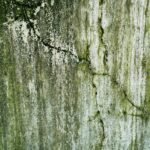
Start your mold assessment by examining the growth closely. Mold appears fuzzy or slimy in black, green, or gray; mildew looks powdery and white or gray. This distinction matters for your cleaning approach.
Protect Yourself First
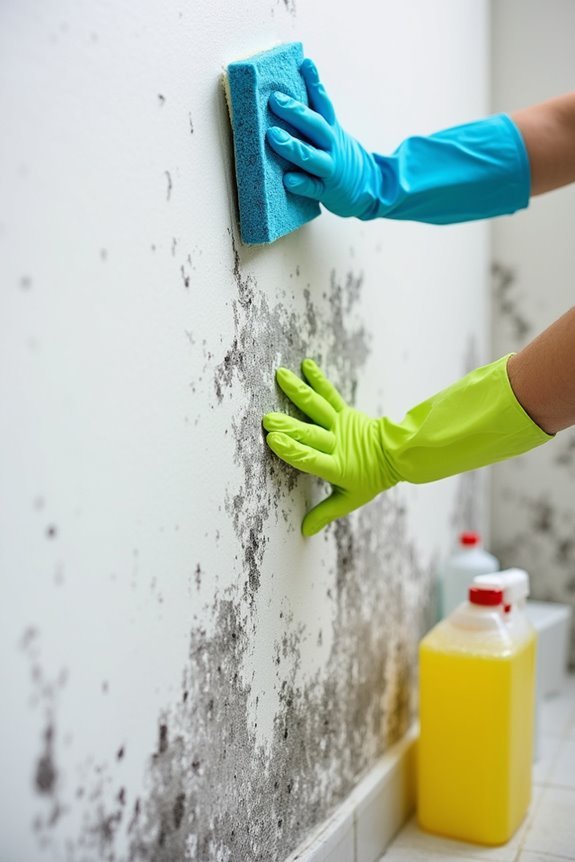
Put on your protective gear before proceeding: gloves, protective eyewear, and a ventilated mask. These protect you from harmful spores you’ll disturb during cleaning.
Check Moisture Sources
Inspect your bathroom walls for leakage, poor ventilation, and lingering water. Understanding porous versus hard surfaces helps you plan effectively. This knowledge makes you a more strategic problem-solver when addressing mold issues.

TWO FAST-ACTING FORMULAS: The ultimate mold prevention kit, our bundle includes 1 spray bottle of RMR-86 and 1 spray bottle of RMR-141 RTU to kill mold and mildew instantly while lifting difficult stains that are left behind

Eliminates & Helps Prevent Mold: Targets existing mold at the source and leaves behind an invisible barrier that helps prevent future growth.
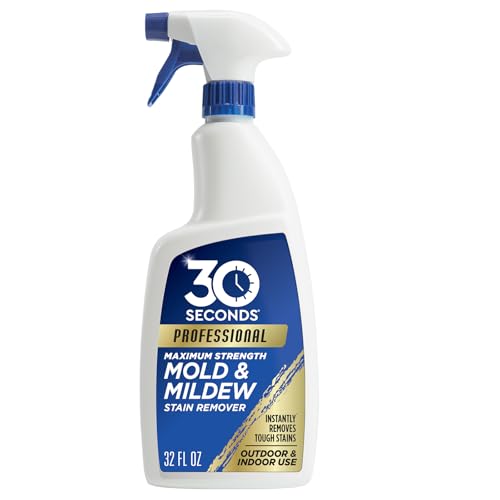
Use In Bathroom Tile and Grout, Bathtub, Soap Scum, Showers, Drywall, Wood, Fences, Decks, Vinyl Sidng, Concrete Floors, Kitchen, Brick Walls, and other areas where mold and mildew can grow
Choose Your Cleaner and Scrub the Mold Away
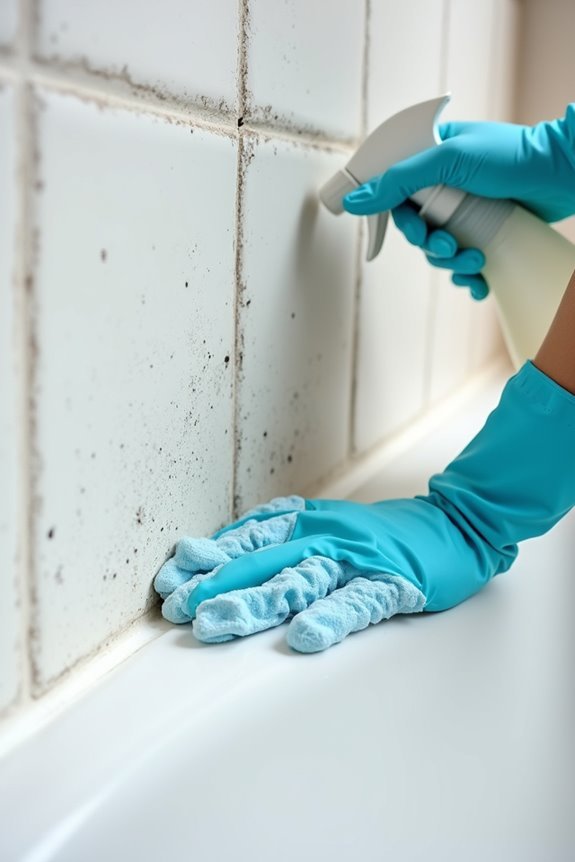
Selecting Your Cleaner
For non-porous surfaces like tile, I mix a bleach solution: one-third cup Clorox Disinfecting Bleach per gallon of water. For porous surfaces like grout, I reach for a dedicated mold remover instead.
For tile, use a bleach solution of one-third cup per gallon of water. For grout, opt for a dedicated mold remover instead.
Scrubbing Technique
I apply the cleaner generously, keeping the bathroom walls wet for ten minutes. Using a scrub brush or stiff sponge, I work in small sections with firm pressure, paying special attention to grout lines. After scrubbing thoroughly, I rinse with warm water and wipe everything down with a microfiber cloth. Complete drying prevents regrowth—I’ll run a fan if needed.
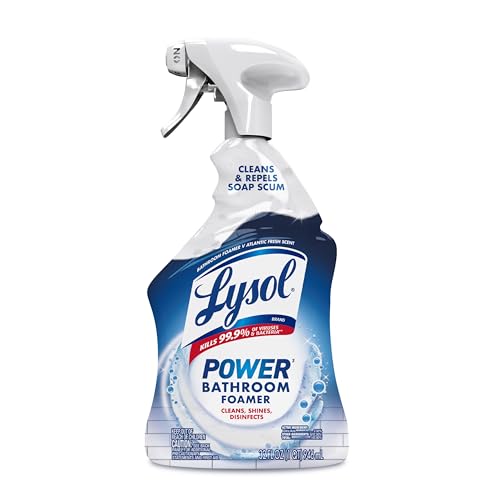
BATHROOM SPRAY: Add the power of Lysol to your bathroom cleaning supplies with our Power Bathroom Foamer; eliminates soap scum, limescale and everyday dirt and grime with no scrubbing; leaves your bathroom clean, brighter, and smelling Atlantic Fresh

LYSOL ALL PURPOSE CLEANER WITH BLEACH ELIMINATES 99.9% OF VIRUSES & BACTERIA :Spray on your hard nonporous surfaces, leave on surface for 5 minutes and then wipe. EPA Reg #777-83

Chemical Resistant Heavy Duty Bottle & Sprayer - Our sprayers are made from durable, all-plastic materials with no metal parts, making them more corrosion-resistant. They are BPA-free and eco-friendly, safe for use with bleach, vinegar, rubbing alcohol, and more, and have been validated by countless consumers. They are perfect for both home use and commercial or industrial applications.
Rinse Thoroughly and Stop Moisture From Returning
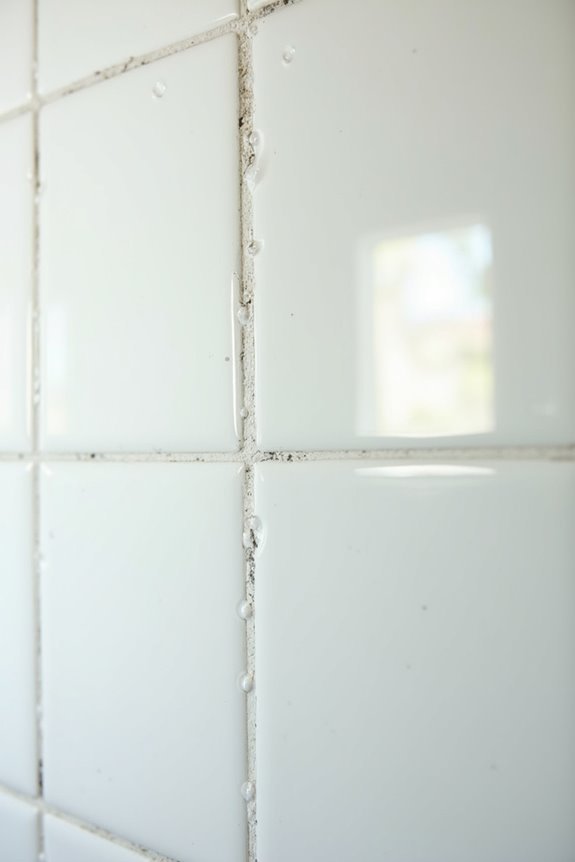
Why does mold keep coming back even after you’ve scrubbed it away? The answer is moisture. After removing mold, I rinse thoroughly with warm water to eliminate residue and loosened spores—no soap scum left behind.
Then I dry completely using a microfiber cloth and fans. This prevents remaining moisture from feeding regrowth.
Stop moisture from returning:
- Fix leaky pipes and caulk gaps
- Run exhaust fans during and after showers
- Maintain humidity below 50%
Before painting, I check that the bathroom walls are bone-dry. Moisture trapped under coatings reinitiate mold growth. That’s why I apply mold-resistant paint or a sealant barrier, creating extra protection against excess moisture and humidity.
These steps don’t just clean—they prevent mold from returning for lasting results.

Self-Priming formula - requires no sanding

RESISTS MOLD AND MILDEW ON DRY PAINT: Mix the easy-to-blend Microban Paint Additive formula into any oil based and latex paint or stain.

Latex‐Base Mould & Mildew‐Proof Waterproofing Paint