
Those tiny black specks? They’re probably drain flies (fuzzy, moth-like, 1/8 inch), springtails (jumping bugs around 1/25 inch), or fungus gnats (mosquito-lookalikes).
Moisture is the real culprit—humidity above 50% creates the perfect breeding ground.
Drain flies lay eggs in pipe biofilm, while springtails thrive on damp surfaces.
Weekly enzyme treatments and boiling water can disrupt their life cycles.
But here’s what makes identification tricky—each bug demands different tactics, and discovering which invader you’re hosting reveals the right solution.
What Tiny Black Bugs Are in My Bathroom?
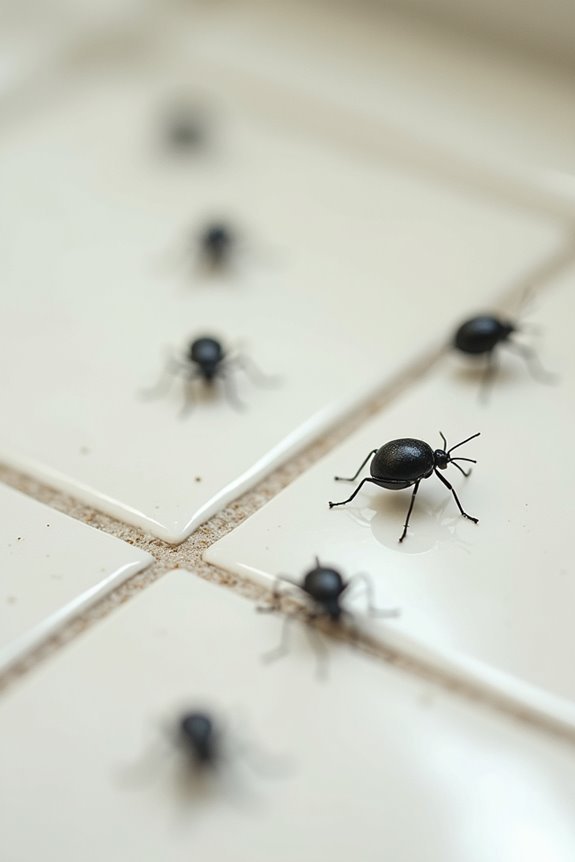
Why do bathrooms seem to attract so many creepy crawlies? I’ve wondered this myself while discovering unwanted visitors in my shower. You’re not alone—bathrooms harbor five common tiny black bugs that thrive in moisture-rich environments.
Drain flies (1/8 inch) appear fuzzy and moth-like, congregating near drains where gunk accumulates. Springtails (1/25 to 1/12 inch) have rounded bodies and jump using a tail structure, revealing moisture problems. Booklice remain nearly transparent, favoring damp wallpaper and water-collection areas. Fungus gnats, similarly small, breed in organic matter.
Small beetles round out the group, ranging from 1/12 to 3/16 inch and indicating nearby moisture or food sources.
Identifying which bug you’re facing helps determine your next steps. Each tells a story about your bathroom’s environment, guiding you toward effective solutions.

END SLOW DRAINS: Stop clogs from ever building with a preventative probiotic and enzyme formula that digest organic waste in your plumbing system

ELIMINATE DRAIN CLOGS & ODORS: One Green Gobbler Drain Stick will help remove organic matter that can be the starting point for stinky odors and clogs. It works hard to deodorize pipes and attacks grease, food, fats, oils and scum that cause slow-moving drains.

KILL FRUIT, DRAIN & SEWER FLIES: Get rid of the fly infestation and get back to enjoying your space. Green Gobbler's thick gel formula clings to pipes to eliminate annoying drain fly infestations. It kills fruit flies, drain flies and sewer flies.
The Five Most Common Tiny Black Bathroom Bugs
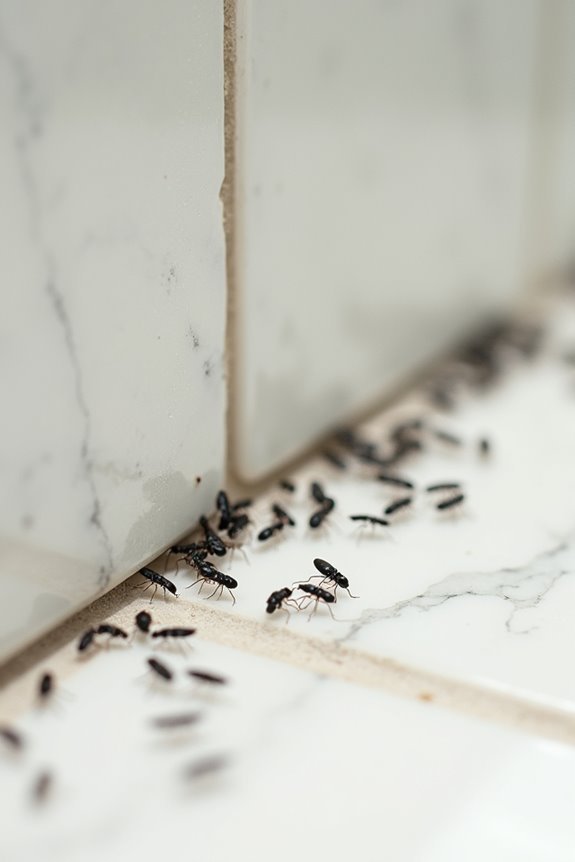
How’d those little bugs end up in your shower? You’re not alone—they’re drawn to moisture like we’re drawn to comfort. I’ve identified five culprits that commonly invade bathrooms, and understanding each helps you reclaim your space.
| Bug Type | Size | Appearance | Habitat |
|---|---|---|---|
| Drain flies | 1/8 inch | Fuzzy, moth-like | Near sinks, showers |
| Springtails | 1/25–1/12 inch | Rounded bodies | Damp areas |
| Booklice | Under 3/16 inch | Pale, soft-bodied | High humidity (58%+) |
| Fungus gnats | 1/12–1/8 inch | Mosquito-like, long antennae | Damp soil, windows |
These moisture-loving intruders aren’t permanent residents. Each has distinct characteristics—drain flies rest near water sources, springtails jump via tail-like appendages, booklice thrive in humidity, and fungus gnats cluster around plants. Recognizing which one you’re battling makes elimination straightforward and manageable.
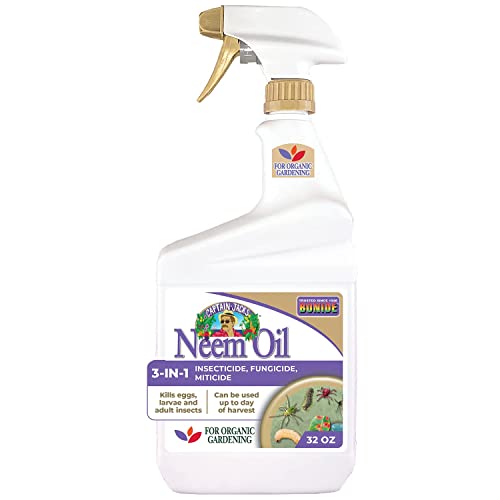
MULTI-PURPOSE BUG KILLER - Bonide Neem Oil is a perfect pest control solution for any garden dealing with mites, flies, mildew, and more. This product is a three-in-one fungicide, miticide, and insecticide.

Quick acting formula

Protect plants from insect damage with Systemic Houseplant Insect Control Granules from Bonide; this product is a low odor ready-to-use solution for containerized plants
Spot the Difference: Identify Bathroom Bugs by Movement and Appearance
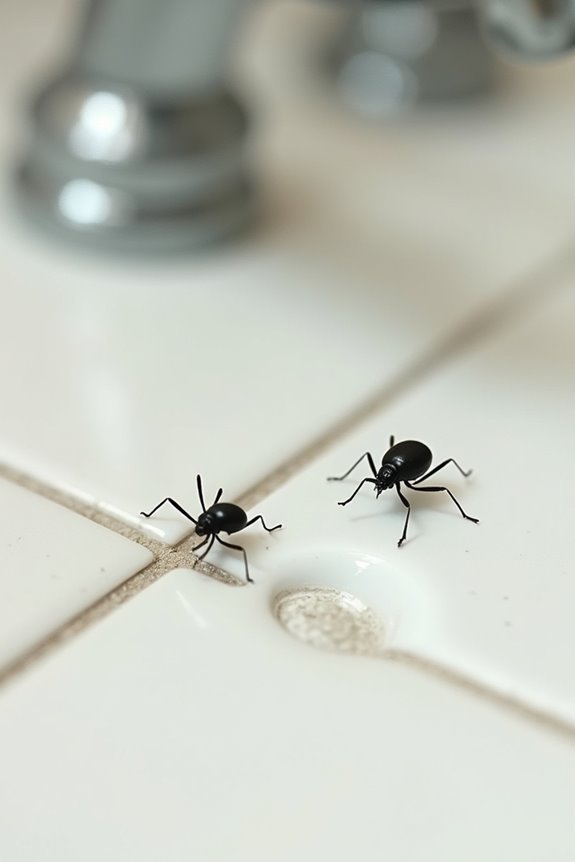
I’ve found that the quickest way to eliminate bathroom bugs is identifying them correctly—and honestly, their movement and appearance are your best clues. You’ll notice drain flies rest lazily near sinks while fungus gnats hover and dart, springtails bounce erratically when startled, and beetles simply crawl toward light. By learning each bug’s size, body shape, and behavior patterns, you can pinpoint exactly what you’re dealing with and choose the right solution.
Catch Beetles by the Bagful – Japanese and Oriental Beetles are invasive species that can wreak havoc on your garden and landscaping. This trap attracts and catches both!

WHAT'S INCLUDED: Includes 1 trap, 1 lure, and 2 bags. Stand sold separately

DUAL LURE SYSTEM: The Catchmaster Japanese Beetle Trap attractant consists of a dual sex lure and floral/food lure fly bait, which attracts two to five times more Japanese beetles than outdoor fly traps with just one lure. The lures combine to draw male and female beetles into the trap and away from valuable ornamentals, fruit trees, vegetables, flowers, or any other outdoor plant.
Movement Patterns And Behavior
Spotting the difference between bathroom bugs comes down to watching how they move and what they look like up close. I’ve found that observing their behavior reveals their identity faster than anything else.
| Bug Type | Movement Style | Where You’ll Find Them |
|---|---|---|
| Drain Flies | Weak, fluttering flight | Near damp areas around drains |
| Springtails | Jumping bounces | Moist surfaces and biofilm |
| Booklice | Rapid crawling | Damp bathroom corners |
| Fungus Gnats | Hovering patterns | Above wet spots |
Drain flies move sluggishly near damp areas, while springtails bounce unpredictably across biofilm layers. Booklice dart quickly when disturbed, and fungus gnats hover persistently. Notice whether your bugs flutter, jump, crawl, or hover—that movement pattern tells you exactly what you’re dealing with.
Visual Characteristics By Species
Visual Characteristics By Species
Once you’ve watched how your bathroom bugs move, the next step is identifying them by what they actually look like—and that’s where size, body shape, and texture matter most.
Drain flies display fuzzy, moth-like bodies about 1/8 inch long with noticeably hairy wings. Fungus gnats resemble tiny mosquitoes, measuring 1/12 to 1/8 inch, sporting long legs and antennae that make them distinctive near damp plant areas.
Springtails present rounded, often translucent bodies measuring 1/25 to 1/12 inch—they’re genuinely delicate-looking. Booklice share similar transparency under 3/16 inch, appearing soft-bodied and pale across damp surfaces.
Small bathroom beetles wear hard shells, measuring 1/12 to 3/16 inch, and gravitate toward light sources. Recognizing these visual markers helps you narrow down exactly which tiny visitor has invaded your bathroom space.
Size And Body Structure
Beyond watching how your bathroom bugs move, you’ll want to get a closer look at their actual bodies—because size and shape are like fingerprints that’ll help you identify exactly what you’re dealing with.
When you’re inspecting bathroom pests up close, measurements matter. Drain flies measure about 1/8 inch with fuzzy, moth-like wings. Springtails clock in at 1/25 to 1/12 inch with rounded bodies. Booklice stay under 3/16 inch and appear translucent. Fungus gnats resemble miniature mosquitoes with long legs at 1/12 to 1/8 inch. Small beetles range 1/12 to 3/16 inch.
Key differences in body structure:
- Fuzzy wings versus smooth exoskeletons
- Transparent or pale coloring versus dark shells
- Hair coverage affecting appearance
Recognizing these tiny insects’ distinct body structures removes the guesswork from identification.
Drain Flies: Fuzzy Moths That Breed in Your Pipes
If you’ve noticed tiny fuzzy flies hovering near your sink or shower, you’re probably dealing with drain flies—those moth-like pests that breed inside your pipes where you can’t see them. I’ll walk you through what makes them tick, how they multiply so quickly in your drains, and the methods that actually work to eliminate them without just masking the problem. Understanding their life cycle and treatment options will help you address this issue directly.

ENZYME ENHANCED FORMULA: Green Gobbler Enzymatic Drain & Grease Trap Cleaner uses an enzyme enhanced formula to clear buildup and remove odors in grease traps, septic tanks and similar plumbing systems. It helps digests oils, fats, grease, sludge and other food waste within hours of application. This bottle uses anti-glug technology to help reduce splashing and provides up to eight treatments.

【EXCELLENT LENGTH】Metal clog remover is 35.5 inches long with a claw extending from the top, which could easily insert to deeper pipes, and grab the blockage and hair. Drain snake is 25 inches long with tiny hooked teeth on it, which is perfect to insert and easy to pull out hair and blockage. Cleaning brush is bendable and durable for daily cleaning of pipe inner wall.

PREVENT FOUL ODORS: One Green Gobbler Drain Stick will help remove organic matter that can be the starting point for stinky odors and clogs. It works hard to deodorize pipes and attacks grease, food, fats, oils and scum that cause slow-moving drains.
Identifying Drain Fly Characteristics
Why do those tiny bugs keep appearing near your bathroom sink, no matter how clean you keep things?
What You’re Likely Seeing
Those fuzzy insects are probably drain flies—also called moth flies—and they’re about 1/8 inch long with distinctive characteristics:
- Fuzzy, moth-like wings covered in hair-like scales that leave powdery smudges when crushed
- Long fuzzy antennae that give them their moth appearance
- Weak fliers often found stuck to walls near sinks and showers
Where They Come From
Drain flies breed inside your pipes in biofilm—that slimy buildup where they lay eggs. The eggs hatch within 24–48 hours, and larvae feed for 1–2 weeks before becoming adults. Adults live roughly three weeks, constantly reproducing in your drains. Understanding these characteristics helps you target the real problem: the biofilm itself, not the flies you see.
Life Cycle And Breeding Habits
Understanding drain fly life cycles helps explain why you’re constantly seeing new ones emerge, even after you’ve cleaned your sink. These tiny insects breed in biofilm—that slimy layer coating your pipes—where they complete their entire journey from egg to adult in roughly 2–4 weeks.
The Timeline:
- Eggs hatch within 24–48 hours after being laid directly in drain biofilm
- Larvae feed on pipe sludge for 1–2 weeks
- Adults emerge 9–15 days later, living up to three weeks
Your breeding sites thrive in pipes accumulating hair, grease, soap scum, and toothpaste residue. That’s why drain flies keep returning—they’re reproducing in the organic matter you can’t always see. Running water weekly helps prevent dry P-traps, which sewer lines can access, breaking this frustrating cycle.
Effective Drain Fly Treatment Methods
Now that you understand why drain flies keep multiplying in your pipes, it’s time to stop them. I’ve found that tackling the biofilm where they breed works better than chasing individual bugs. You’ll need a multi-step approach combining moisture control with targeted cleaning.
Here’s what actually works:
- Enzymatic cleaners break down the sludge where larvae feed, disrupting their life cycle
- Boiling water flushes kill eggs and larvae while loosening stubborn biofilm buildup
- Regular drain brushing physically removes the slime coating that drain flies need to survive
The key is consistency. Run water daily to maintain moisture in traps, use enzyme-based products weekly, and address any leaks promptly. This combination stops the cycle at multiple stages, preventing those fuzzy moths from returning.
Springtails: The Jumping Bugs That Signal a Moisture Problem
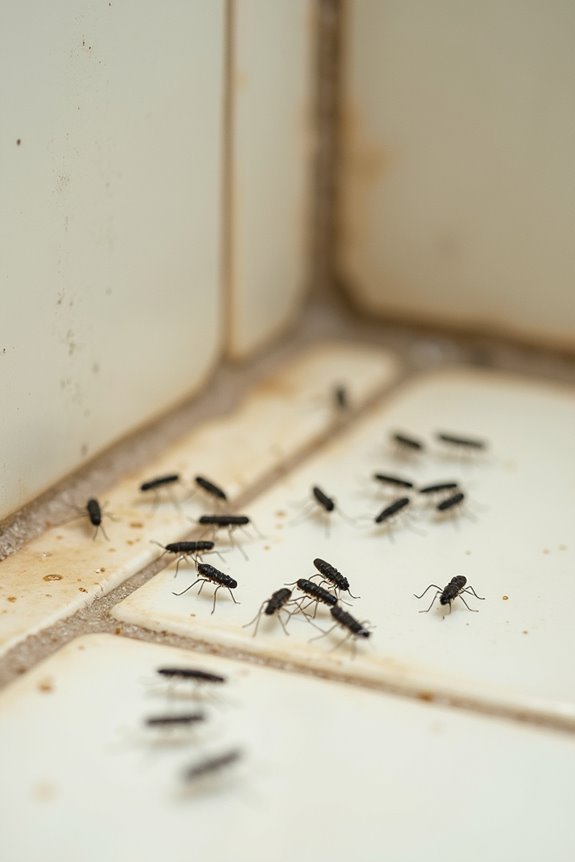
If you’ve spotted tiny bugs bouncing around your bathroom sink or shower, there’s a good chance you’re dealing with springtails—small insects that are roughly 1/25 to 1/12 inch long with rounded, sometimes see-through bodies.
Here’s what makes them jump: they’ve got a tail-like furcula that launches them when they’re disturbed, giving them impressive speed. The good news? They’re completely harmless to you and your pets.
What they *do* signal is a moisture problem you shouldn’t ignore. Springtails thrive in damp conditions around sinks, showers, and tubs—especially after heavy rainfall or in newer homes. Rather than representing an infestation or disease risk, these bathroom pests indicate elevated humidity levels in your space.
Addressing the underlying moisture problem is your real solution here.

GNAT CONTROL FOR INDOOR PLANTS: Our powerful gnat spray for indoor plants kills fungus gnats, spider mites, and fruit flies; it's the perfect solution for getting rid of fruit fly and fungus gnats

EFFECTIVE FUNGUS GNAT KILLER – Designed to help eliminate fungus gnats and reduce unwanted pest activity on plants with a targeted natural oil-based formula.

GNAT CONTROL FOR INDOOR PLANTS: This bundle includes our natural plant bug spray and 12 gnat sticky traps for plants; this powerful gnat spray for indoor plants kills fungus gnats, spider mites, and fruit flies; use it with our sticky traps for enhanced pest control, ensuring thorough coverage and effective elimination of bugs and pests in your home and garden; it's the perfect solution for getting rid of fruit fly and fungus gnats (please contact us if the traps are missing and we will send a replacement)
Fungus Gnats, Booklice, and Small Beetles: Other Bathroom Invaders
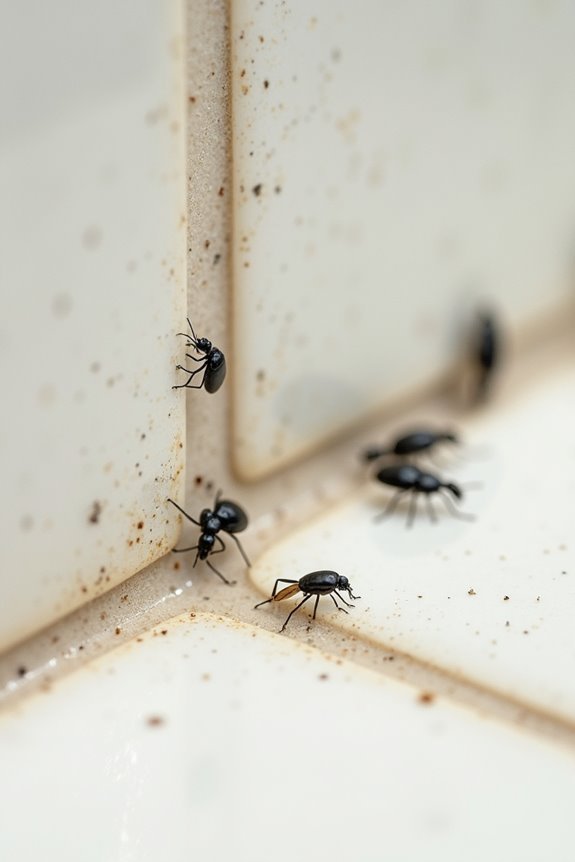
Beyond springtails, you might spot fungus gnats hovering near your houseplants or booklice scurrying across damp surfaces—both thrive in the moisture-rich bathroom environment. Fungus gnats, which look like tiny mosquitoes barely 1/8 inch long, can damage plant roots, while booklice, being nearly transparent and smaller still, move quickly across wet areas and need humidity above 58% to survive. Small beetles with hard shells also show up in bathrooms, signaling that moisture or food sources nearby are giving them exactly what they need to settle in.
Two Pre-Baited Pheromone Traps Included

DUAL LURE SYSTEM: The Catchmaster Japanese Beetle Trap attractant consists of a dual sex lure and floral/food lure fly bait, which attracts two to five times more Japanese beetles than outdoor fly traps with just one lure. The lures combine to draw male and female beetles into the trap and away from valuable ornamentals, fruit trees, vegetables, flowers, or any other outdoor plant.

Spectracide Bag-A-Bug Japanese Beetle Trap (Pack of 3)
Fungus Gnats Near Houseplants
Ever noticed tiny flying specks hovering around your bathroom plant collection?
You’re probably dealing with fungus gnats. These insects resemble miniature mosquitoes, measuring about 1/12 to 1/8 inch long, and they’re drawn to the moisture your plants need. Here’s what’s happening:
- Moisture + Organic Matter — Fungus gnats thrive in damp soil where biofilm develops, creating their ideal breeding ground
- Root Damage Risk — Larvae feed on plant roots, weakening your greenery over time
- Hovering Behavior — Adults congregate near houseplants, making their presence unmistakable
The connection’s straightforward: overwatered plants in your bathroom create perfect conditions for these pests. If you’ve noticed them, your soil likely stays too wet. I’d recommend letting soil dry slightly between waterings and improving air circulation. This simple adjustment disrupts their lifecycle while keeping your plants healthy.
Booklice In Damp Areas
Why do you find tiny, almost see-through bugs crawling across your bathroom walls and damp cardboard boxes? You’re likely dealing with booklice. These soft-bodied insects measure less than 3/16 inch long and move fast across moist surfaces.
Booklice thrive in high humidity environments, particularly above 58%. They’ll flourish in your bathroom’s damp wallpaper, waterlogged cardboard, and areas surrounding fixtures where water collects. The good news? They don’t threaten you or your pets directly.
Your Action Plan:
Their presence signals a moisture control problem, not an infestation requiring panic. I’d recommend reducing humidity below 45% where they can’t survive. Fix leaky pipes, improve ventilation, and remove damp materials. If booklice persist despite these efforts, professional help becomes your best option.
Small Beetles And Larvae
While booklice signal a humidity problem you can solve with moisture control, they’re not the only tiny bathroom visitors you might encounter. I’ve discovered that small beetles and their larvae thrive in similar damp environments, creating real challenges for homeowners like us.
These hard-shelled beetles measure about 1/12 to 3/16 inch and often appear black and oval-shaped. What makes them problematic is their larvae, which hide near closets or air ducts, feeding on organic buildup and moisture sources.
What Attracts Them:
- Excess moisture near drains and pipes
- Organic debris accumulating in hidden spaces
- Natural fibers like wool or silk stored nearby
Drain flies sometimes appear alongside these beetles, indicating serious moisture issues. Both beetles and drain flies demand immediate attention to prevent infestation spreading throughout your home.
Why Moisture Causes All Bathroom Bug Infestations
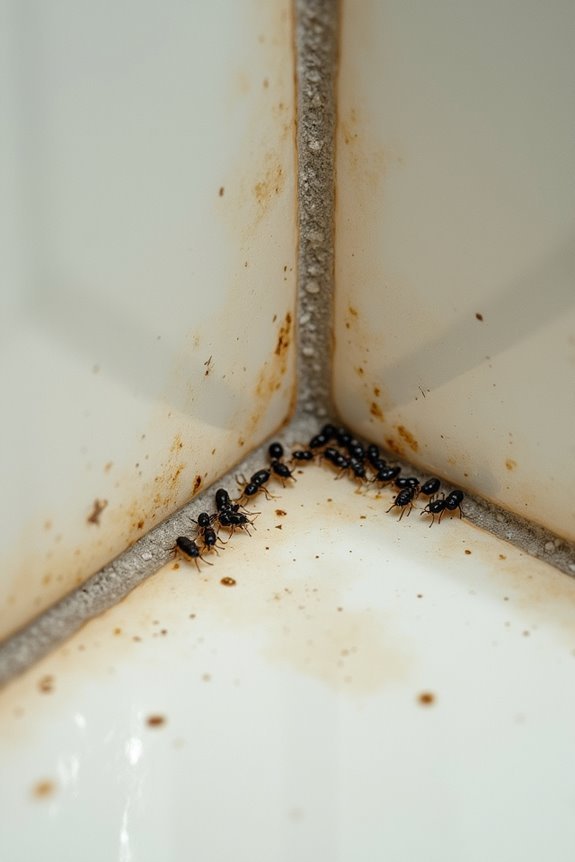
Because bathrooms are inherently humid spaces, they’re basically bug magnets—and I’ve learned this the hard way.
Bathrooms are inherently humid spaces, making them basically bug magnets—and I’ve learned this the hard way.
I discovered that moisture is the root cause of every bathroom bug problem I’ve faced. When humidity climbs above 50%, you’re creating an irresistible environment for tiny invaders. They’re drawn to the dampness like I’m drawn to coffee on Monday mornings.
Here’s what I found: drain biofilm—that slimy buildup in pipes—becomes a five-star restaurant for bugs. Combined with high humidity, it’s an all-you-can-eat buffet. Bathroom leaks behind tiles and under sinks compound the problem, trapping moisture where you can’t see it.
My solution? Humidity control through exhaust fans and fixing leaks stopped infestations from returning. Keeping moisture between 30-50% changed my bathroom from bug haven to bug-free zone.

SAFE AND ECO-FRIENDLY: BioFresh uses natural bacteria cultures to break down odors and organic waste. The ingredients are a proprietary blend of microbes that are safe, effective, and won’t damage your drains, pipes or septic systems.

Fruit Fly Control: Fly-Zyme's powerful enzyme formula targets and eliminates the root cause of drain and fruit flies by digesting food remnant buildup and preventing fly breeding in your drains, providing a cleaner and healthier environment

LURE & ELIMINATE FRUIT FLIES: Our Drain Bye-Bye Fruit Fly uses advanced attract-&-eliminate technology to help pull flies away from your fruit bowls & countertops. It targets the source of your fruit fly problem & works discreetly to reduce both adult flies & larvae, keeping your space fresh. Attracts & eliminates fruit flies, drain flies & sewer flies.
Eliminate Bathroom Bugs at the Source: Drains and Moisture
Now that you know humidity’s the problem, let’s stop it where it actually starts—inside your drains.
Drain flies breed in the biofilm—that slimy buildup—living inside your pipes. They lay hundreds of eggs directly into this slime layer, and you’ve got a new infestation within days. Here’s what works:
- Flush with boiling water weekly to disrupt the biofilm where eggs develop
- Use enzyme cleaners that digest the organic matter drain flies need to survive
- Run water for 60 seconds weekly to keep your P-trap filled, blocking sewer entry
These steps target moisture at its source. You’re not just cleaning surfaces; you’re eliminating the entire breeding ground. Stop the biofilm, stop the drain flies. That’s how you actually win this.
Fungus Gnat Control and Plant Food: Miracle-Gro Plant Care Gnat Control + Plant Food kills and prevents pesky fungus gnats (kills existing eggs and larvae in soil) while also providing your plants with the vital nutrients they need to thrive

Plant-Based Pest Protection: Helps protect plants from common pests including gnats, spider mites, aphids, fungus issues, and other plant-damaging insects using plant-based ingredients.

SLOW-RELEASE NEMATODES FOR EFFECTIVE PEST CONTROL – Ready-to-use granular formulation that provides continuous protection against fungus gnats, thrips, whiteflies, and other garden pests.
Should You Worry? Health Risks You Actually Need to Know
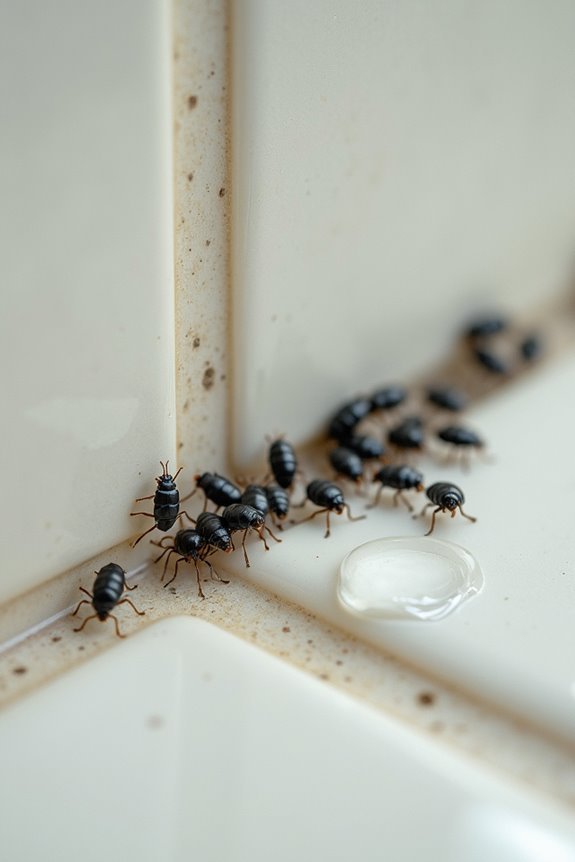
Most of us find drain flies unsettling to look at, but here’s the honest truth: they’re not going to make you seriously sick. These tiny insects don’t bite, sting, or carry diseases like mosquitoes do. That said, drain flies do pose minor health risks worth considering.
If you’ve got asthma or allergies, these pests might trigger symptoms when their bodies accumulate in your bathroom air. The biofilm they breed in can harbor bacteria, though infection from drain flies themselves is rare.
The real concern? That persistent moisture and biofilm indicate deeper problems. Standing water breeds more than drain flies—it creates conditions for mold and bacterial growth that matter for your health. Address the moisture source, and you’ll eliminate both the bugs and the actual health risks lurking beneath.

TRAP JAPANESE & ORIENTAL BEETLES – Japanese and Oriental Beetles are invasive species that can wreak havoc on your garden and landscaping. This trap attracts and catches both!
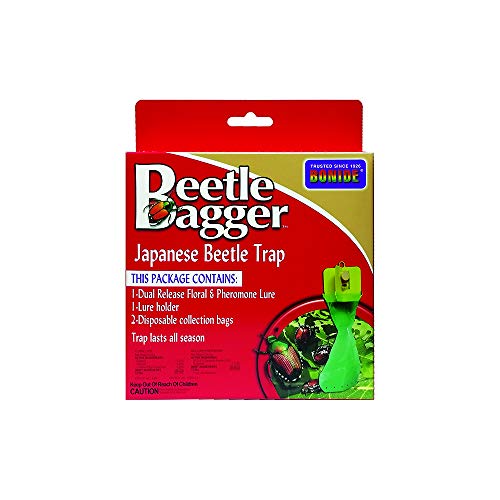
DUAL LURE SYSTEM - Beetle Bagger employs a dual action floral/pheromone lure system. This is what ensures our traps are irresistible to the insect.
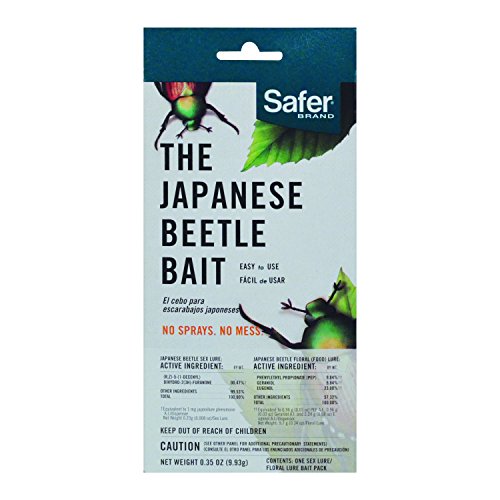
Replacement bait for the Safer Brand Japanese Beetle Trap
When DIY Fails: Call a Pro for Persistent Bathroom Bugs
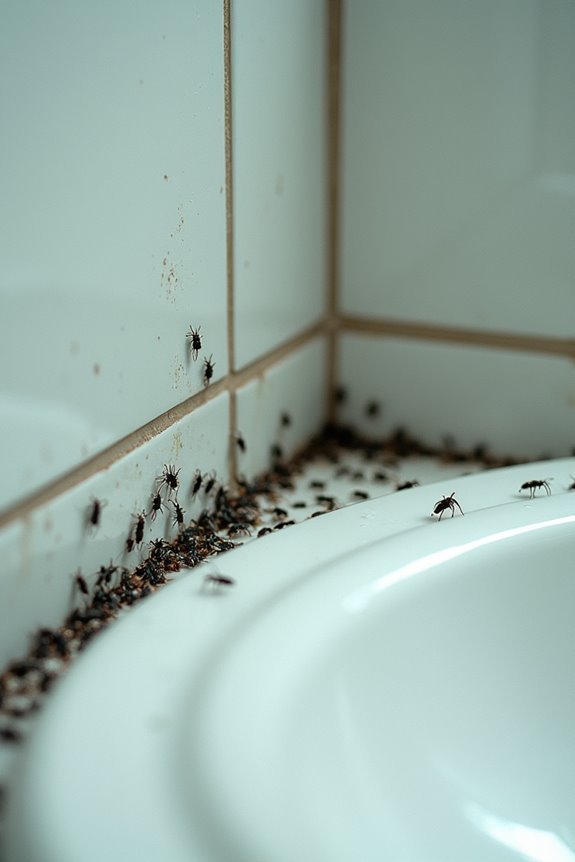
You’ve scrubbed your drains, poured boiling water down them, and even tried enzyme cleaners—yet those tiny black bugs keep showing up.
When drain flies persist despite your efforts, it’s time to call a professional pest control expert. Here’s why DIY failure happens:
- Biofilm buildup in hidden pipe sections resists home treatments
- Dry P-traps allow sewer access when you’re not looking
- Multiple breeding sites exist beyond what you can reach
Professionals identify where drain flies are actually hatching using specialized tools and tape tests. They’ll locate those stubborn larvae feeding in sludge for weeks, then apply targeted solutions you can’t access yourself. Professional pest control isn’t giving up—it’s being strategic about bathroom pests that outsmart basic methods. Sometimes the smartest move is calling in an expert when you need backup.

Fruit Fly Control: Fly-Zyme's powerful enzyme formula targets and eliminates the root cause of drain and fruit flies by digesting food remnant buildup and preventing fly...