
I’ve battled musty wood furniture myself, and here’s what actually works: sprinkle baking soda overnight, then vacuum it up. Place activated charcoal pouches nearby for a week to trap stubborn odors. Mix equal parts white vinegar and water, lightly spray affected areas, and let dry completely. Follow with Murphy’s Oil Soap on a cloth, wiping with the grain. For persistent smells, seal interior surfaces with Kilz primer.
Combining methods—cedar, lavender, and baking soda—accelerates results. Each technique targets odors differently, so pairing them yields stronger outcomes than using one alone.
Absorb Musty Odors With Baking Soda and Charcoal
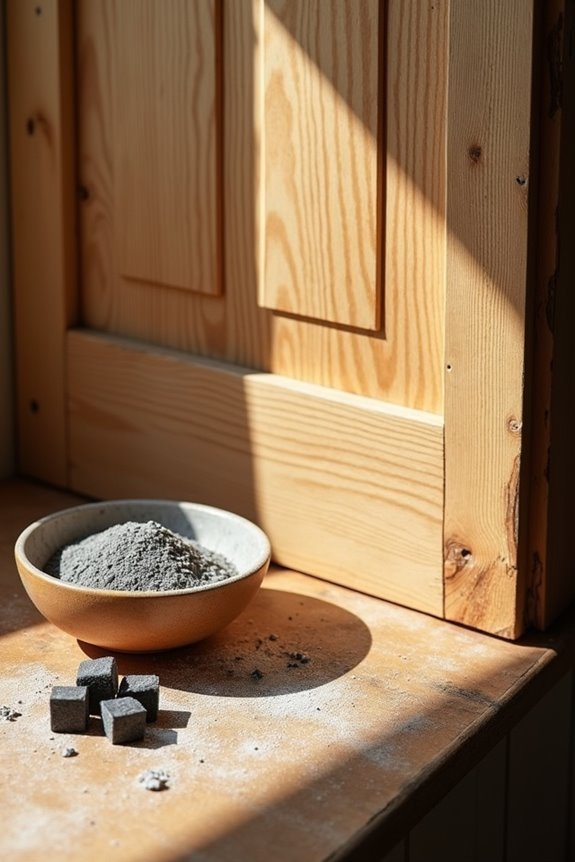
Absorb Musty Odors With Baking Soda and Charcoal
Your grandmother’s antique dresser smells like a closed-up basement because wood absorbs odors over time. Baking soda and charcoal effectively remove musty smells from wood furniture.
Baking Soda Method
Place baking soda directly on smelly surfaces and let it sit overnight for strong musty smells. Then vacuum or wipe it away. For drawers, fill bowls with baking soda and leave them for several hours. Add a few drops of lavender oil to the baking soda for enhanced odor absorption.
Charcoal Treatment
Use activated charcoal in small fabric pouches, positioning them around furniture for several days to a week. This method traps stubborn odors effectively.
Maintenance Tips
Reapply treatments as needed and refresh charcoal by placing it in sunlight before reuse. This restores its absorption power and keeps your furniture fresh.

ON-THE-GO ODOR CONTROL: ARM & HAMMER Fresh Effects Odor Neutralizing Pouches instantly absorb and eliminate big odors while you're on the move

Effective Odor Elimination: Absorbs and destroys big odors in small spaces, keeping your home smelling fresh and clean.

POP ONE IN, STOP ODOR: Pack of 12 x 14 oz ARM & HAMMER Fridge-n-Freezer Baking Soda Odor Absorbers helps food taste as it should by absorbing and deodorizing lingering odors without harsh chemicals
Eliminate Wood Smell With a Vinegar Solution
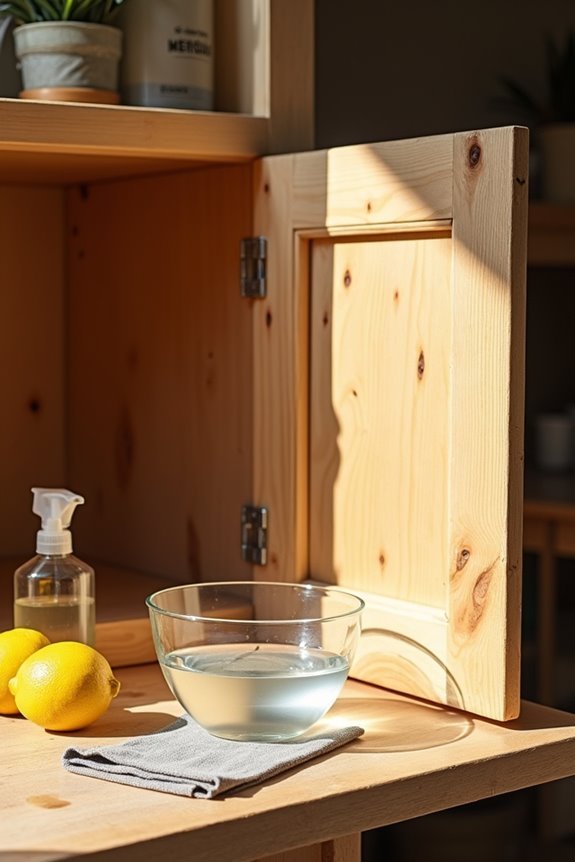
Eliminate Wood Smell With a Vinegar Solution
Why does vinegar work so well against musty odors? White vinegar neutralizes odor-causing particles rather than just masking them, making it an effective choice for wood furniture restoration.
The Simple Process
I mix equal parts white vinegar and water in a spray bottle. Then I lightly mist the affected wood furniture and wipe with a clean cloth to remove excess liquid. The key here? Avoid over-wetting, which can warp or damage finishes.
After Treatment
I always allow the piece to air dry completely. Providing ventilation or sun-drying accelerates moisture evaporation and speeds up odor neutralization.
If the musty smell returns, I reapply the vinegar solution as needed. For stronger odors, I follow up with baking soda for additional odor removal support.

Includes one, 17 ounce Amazon Basics Gel Odor Eliminator

POWERFUL SHOE ODOR ABSORBERS. Our 1.76oz activated charcoal bags utilize adsorption, where millions of micropores physically bind odor molecules to the surface. These charcoal bags for shoes are scientifically effective charcoal shoe inserts for footwear.

UNLEASH THE PURIFYING POWER OF 28°N LATITUDE - Cultivated in bamboo forests bathed in sunlight at 28°N latitude, activated charcoal shoe deodorizer boasts a superior porous structure and organic makeup, thanks to its pristine growing conditions. Serving as a natural odor eaters for shoes, it delivers sustained and reliable odor adsorption performance, keeping your surroundings fresh and clean
Apply Murphy’s Oil Soap to Remove Lingering Odors
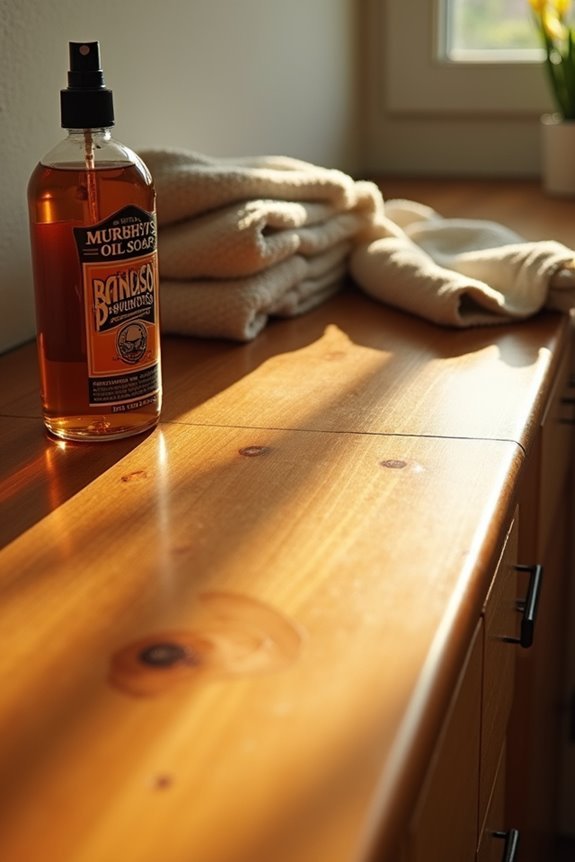
After you’ve tackled the initial musty smell with vinegar, you might notice a stubborn odor still hanging around—and that’s where Murphy’s Oil Soap comes in handy. This wood furniture cleaner works for odor removal when other methods leave traces behind.
How to Apply It
Pour a small amount onto a clean cloth—you don’t need much. Wipe down your furniture piece systematically, working with the wood grain. This cleaning method simultaneously conditions your wood finish while neutralizing lingering musty smells.
Why It Works
Murphy’s Oil Soap addresses odor control by removing embedded particles that trap scent. It’s an accessible DIY odor treatment available through most retailers, including Amazon.
The Next Step
This cleaning method works best when paired with baking soda or sealing treatments for thorough odor elimination.

VERSATILE PANTRY STAPLE: Perfect for cooking, pickling, marinating, and enhancing your favorite recipes with a crisp, tangy flavor.

Safe for Your Home & Family – Clean with confidence using a formula designed to be tough on messes but gentle for the people and pets you love.

Simple, clean ingredients that is safe for the whole household!
Seal in Persistent Smells With Primer or Paint
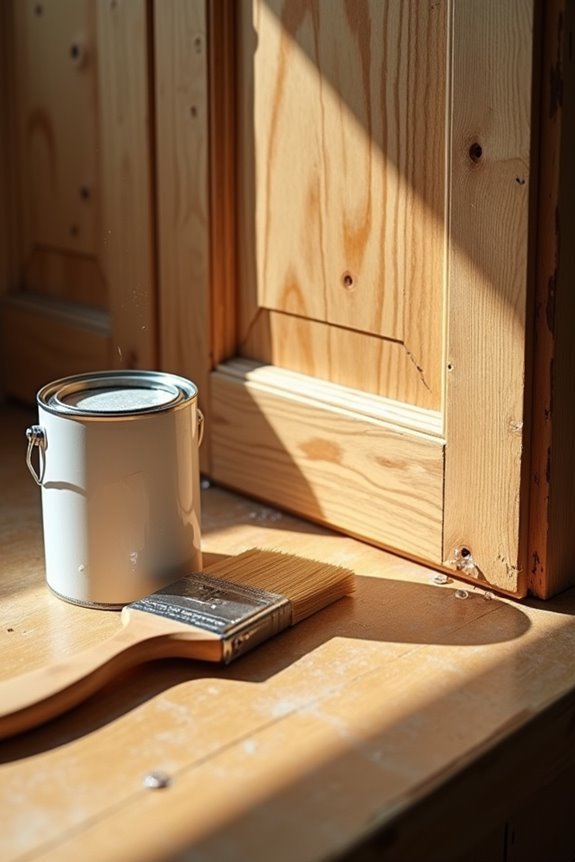
When other odor-removal methods haven’t done the trick, it’s time to contemplate sealing the problem away—literally. I’ve found that applying a powerful primer like Kilz to your wood furniture’s interior creates an effective barrier against musty odor molecules. Here’s my approach:
Testing First
Before committing, test your chosen primer or paint finish on a hidden spot. This prevents the odor sealing from negatively affecting usability or appearance.
Application Method
I brush Kilz Multi-Surface Primer onto interior surfaces, creating an impermeable layer that traps odors inside. For furniture where aesthetics matter, clear sealants work well—they provide odor containment without altering your wood furniture’s look.
Why It Works
This interior sealant approach locks in persistent smells effectively, making it ideal when you’re ready for lasting results.

Three 32 fl oz bottles of Murphy Oil Soap, Concentrated Formula, Wood Cleaner, Citronella Oil Scent

VERSATILE CLEANING POWER: Murphy's Oil Soap is perfect for cleaning a variety of surfaces, including wood, ceramic tile, vinyl, and more, making it a versatile and essential cleaning solution for your entire home.

Safely cleans wood.
Combine Methods: Cedar, Lavender, and Baking Soda for Faster Results
If you’ve sealed your furniture with primer but still catch a whiff of mustiness, there’s a gentler approach that works faster than waiting for paint to cure.
The Triple-Method Trick
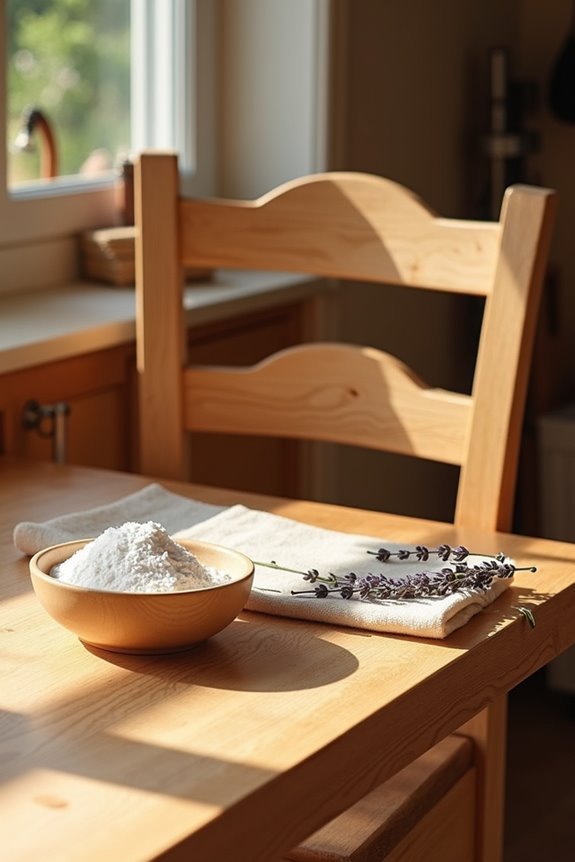
Combining three simple ingredients creates effective odor removal results. Place cedar rings inside corners while setting a bowl of baking soda mixed with a few drops of lavender oil nearby. Leave everything undisturbed for roughly 24 hours.
| Method | Purpose | Duration |
|---|---|---|
| Cedar rings | Fragrance & support | 24 hours |
| Baking soda | Odor absorption | 24 hours |
| Lavender oil | Scenting enhancement | 24 hours |
This combination tackles musty odors from multiple angles. The baking soda absorbs smells from interior panels, cedar provides additional fragrance, and lavender oil creates pleasant aroma. If mustiness persists afterward, air circulation and ventilation accelerate final odor removal from your wood furniture.

PRIMER | SEALER | STAINBLOCKER: KILZ Original Low Odor is formulated to have the adhesion and stain blocking performance that KILZ Original is known for but with a lower solvent odor, fast odor-dissipation (ventilation is required) which prevents odor lingering in the primed space.

INTERIOR PAINT APPLICATION: Designed for use on interior surfaces like drywall, masonry, and metal. Ideal for house paint projects needing a durable, gloss white finish with low odor.
![13 Oz. Kilz Odorless Interior Oil Based Sealer Primer and Stainblocker [Set of 12]](https://m.media-amazon.com/images/I/41VLj3j62bL._SL500_.jpg)
Masterchem Industries