Protecting outdoor wood furniture requires three core steps.
First, clean surfaces thoroughly and sand with 400-grit paper to prep the wood.
Next, choose your sealant: oils nourish the grain but need annual reapplication, while varnish or spar urethane offer longer-lasting UV protection.
Apply in 60–80°F temperatures, using multiple coats with light sanding between them.
Finally, inspect quarterly for wear, reseal annually, and use protective covers during winter.
Attention to these details extends your furniture’s lifespan.
Start With Thorough Cleaning and Surface Prep
Start With Thorough Cleaning and Surface Prep
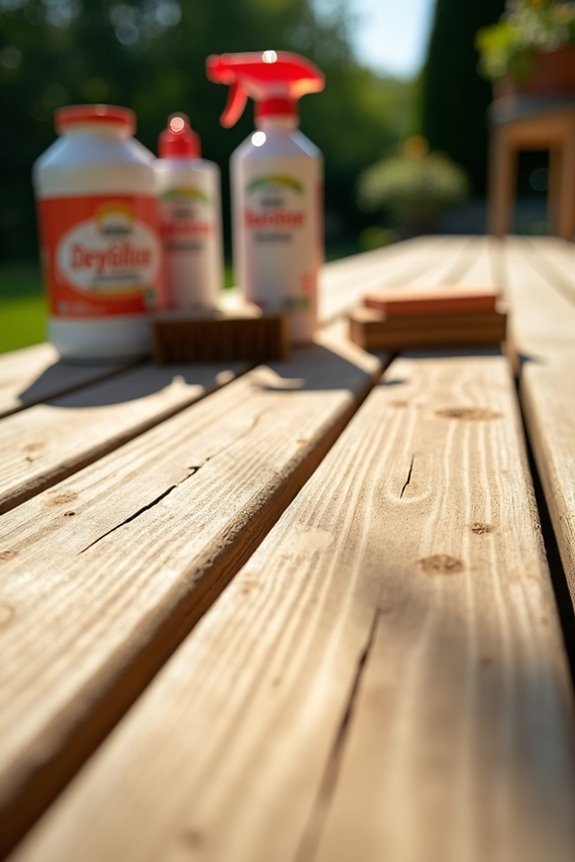
Before you apply that first coat of stain or sealant, understand this: a pristine surface matters. Your outdoor wood furniture needs a solid foundation, and that means thorough cleaning removes mildew, dirt, oil, and polish residues that prevent proper adhesion.
What you’ll need to do:
- Scrub away any peeling or flaking coatings completely
- Sand with 400-grit paper to open the wood grain
- Use a tacky cloth to eliminate dust before applying waterproof sealants
I’ve watched projects fail because I skipped this step. Pre-cleaned surfaces stop moisture from trapping beneath coatings, which prevents mold growth and premature failure. Taking time upfront means your surface prep protects your investment for seasons ahead.

Repels moisture as it enhances wood's natural beauty. Protect your outdoor furniture from mother nature and protect your investment.

Prevents further drying and fading of wood finishes due to sun exposure, temperature variations, and moisture both indoors and outdoors

🌱 UNLEASH THE BEAUTY OF YOUR OUTDOOR WOOD WITH TEAK OIL: Our premium wood finish and sealer is specially formulated for outdoor furniture, providing waterproof protection and enhancing the natural color and structure of teak, mahogany, pine, beech, oak, and other wood types. Preserve and beautify your outdoor wood with confidence.
Pick a Sealant: Oil, Varnish, or Paint
How do you choose between oil, varnish, and paint when they all promise to protect your wood furniture?
Each option brings different strengths to the table. Understanding what you’re getting matters when selecting a finish for outdoor wood care.
Each wood finish brings distinct advantages—understanding these differences is crucial for choosing the right outdoor protection.
Here’s what sets them apart:
- Oil finishes nourish wood and enhance grain, though they need annual reapplication
- Varnish creates durable UV protection and water resistance that lasts years between refreshes
- Paint offers color variety and tough protection, but commits you long-term
- Wood preserver finishes maintain that natural look with UV filters, though quality varies
- Tung oil blends outperform old linseed oil, which risks mildew and yellowing
Pick what matches your commitment level. Skip linseed oil entirely—modern alternatives simply work better for exterior wood furniture.
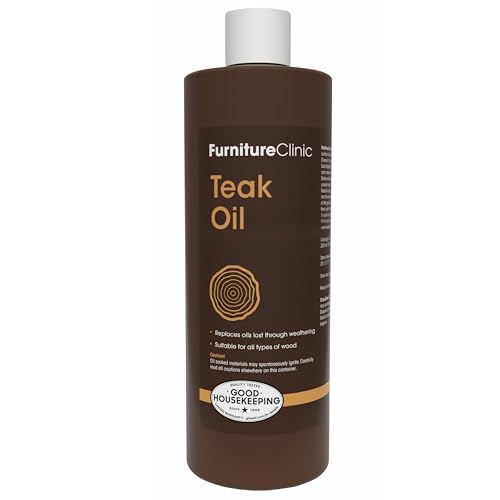
ENHANCES THE BEAUTY OF THE WOOD: Teak Oil restores the beauty of grey, old and weathered teak furniture to give a golden-brown natural finish.

Pledge Wood Oil conditions and protects the appearance of wood & leather furniture

Easy to Use - Tung oil is a natural oil recognized by craftsmen to offer the ultimate hand-rubbed finish for all fine woods; just wipe on and allow the oil to cure at room temperature
Seal Wood Oil for a Natural Finish
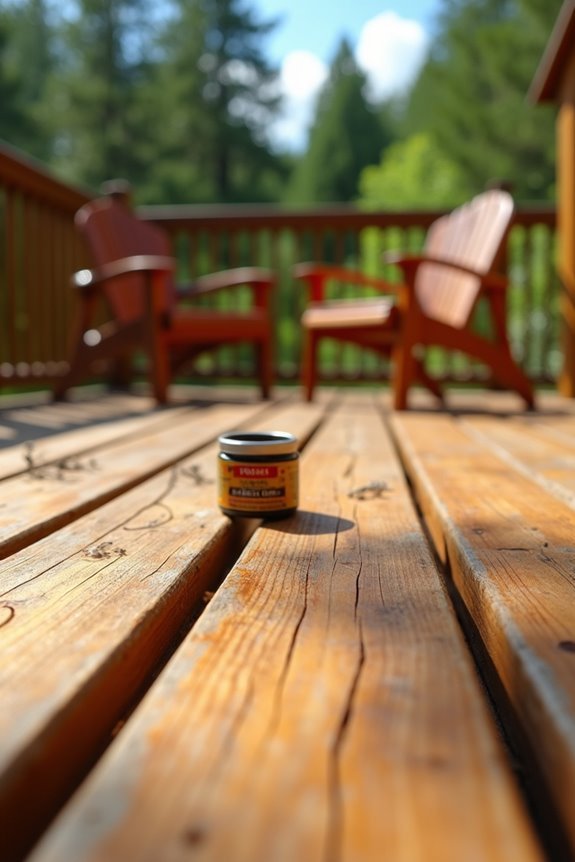
If you’re drawn to that rich, warm look of bare wood rather than a painted surface, oil finishes deserve serious consideration. I’ve found that wood oil delivers an authentic exterior finish that showcases your furniture’s natural grain.
Why Choose Oil?
Teak oil and similar wood oils offer moisture resistance without masking the wood’s character. They penetrate deeper than surface coatings, nourishing the fibers from within. However, they won’t provide long-term UV protection alone—you’ll need to reapply annually.
Application Essentials
Sand with 400-grit paper first, then massage the oil in thoroughly for better waterproofing. Allow overnight drying between coats. This method takes patience, but the results are worth the effort when sunlight hits that natural finish you’ve created.

Durable, protective poly for outdoor wood surfaces such as appliances, doors, windows, fences, trim and more
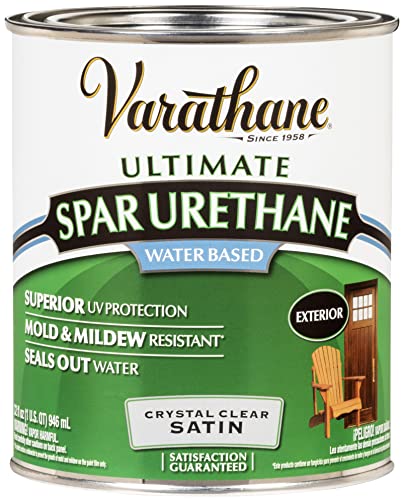
Durable, poly for outdoor wood surfaces such as furniture, doors, windows, fences, trim and more

Protects outdoor wood surfaces such as furniture, fences, railings, trim and more
Apply Heavy-Duty Sealants for Maximum Protection
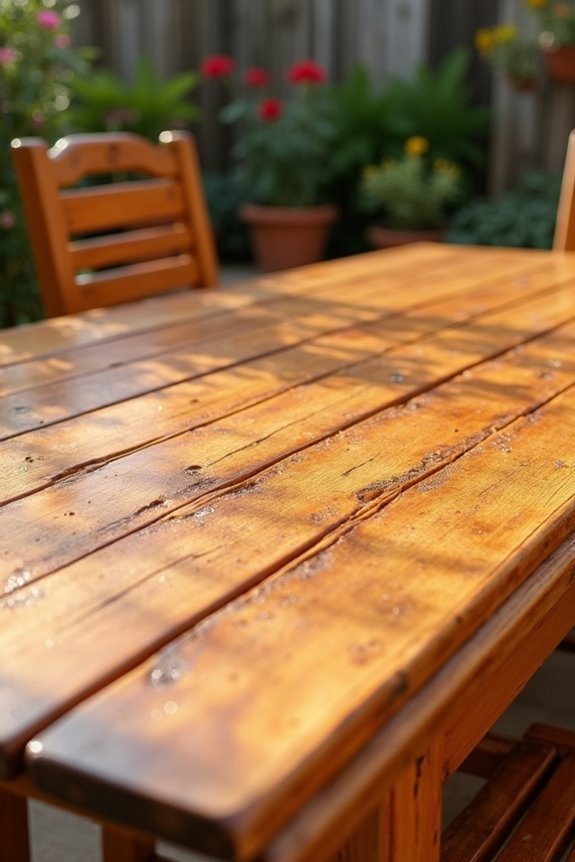
When you’re ready to prioritize wood protection, heavy-duty sealants like spar urethane and spar varnish are your best options—they’re specifically engineered to handle UV rays, moisture, and the natural movement that outdoor wood experiences. I’ll walk you through the different sealant types available, show you exactly how to apply them correctly so you don’t end up with a bubbled mess like I once did, and explain when and how often you’ll need to reseal to maintain that protection over time.

【PREMIUM MATERIAL】: Sandpapers Made Made from aluminium oxide for longer life; electro coated technology make grit distributed evenly; Will not fall apart, tear or crumble off during using。

400 Grit: Includes 8 sanding blocks (400 grit, extra fine); our sanding sponge is reusable, washable, and suitable for all your sanding needs

Pack of 10 Fine Sheets – Includes 400 grit sandpaper sheets in 9 x 11 in format for fine surface prep, primer smoothing, paint work, detailed sanding, and shop projects after coarser grits
Sealant Types and Options
Which sealant you choose affects your outdoor furniture’s longevity—and I’ve learned this the hard way after watching a favorite chair deteriorate from neglect.
I’ve discovered several reliable options that protect wood effectively:
- Spar urethane with UV absorbers comes in oil or water-based formulas, requiring multiple coats to handle wood movement
- Spar varnish delivers marine-rated protection lasting several years with proper maintenance
- Exterior latex paint offers durability and color choices, though it needs sanding and priming first
- Chalk paint requires a polyacrylic lacquer topcoat for fading prevention
- Teak oil and wood preservatives nourish wood but need annual reapplication
Each exterior finish serves different purposes. I’ve found that spar urethane and spar varnish provide superior UV protection compared to oils. Your choice depends on your furniture’s exposure level and how much maintenance you’re willing to commit to.
Application Process and Materials
Applying heavy-duty sealants properly is the difference between a finish that lasts years and one that peels away after a season—I’ve observed both outcomes in my own backyard.
Getting Started Right
Temperature matters significantly. I apply sealants between 60 and 80 degrees Fahrenheit; outside this range, the finish won’t cure properly. Before I begin, I stir (never shake) the can to avoid bubbles that weaken the protective barrier.
Application Technique
I use a natural-bristle brush or high-density foam roller for even coverage. I apply multiple coats with light sanding between them, which helps UV-resistant sealants bond better. After each coat, I wipe up any pooled excess—this prevents sticky spots.
Weather Protection Matters
With direct sun exposure, I recoat annually to maintain that weather-resistant seal. Consistency here produces reliable results.
Maintenance and Recoating Schedule
How often should you really refinish your outdoor wood furniture? I’ve learned that annual resealing keeps your pieces protected from the elements. Here’s what I recommend:
- Plan yearly recoating as your maintenance cadence
- Apply spar varnish or UV protectant spray each season
- Schedule application before peak sun damage months
- Check surfaces quarterly for wear or moisture penetration
- Document dates to stay consistent
Most heavy-duty sealants require reapplication annually because direct sun and moisture exposure break down protection quickly. I prepare surfaces by sanding lightly, removing dust with a tacky cloth, then applying fresh coats evenly. This moisture sealing routine prevents wood degradation and keeps your outdoor furniture looking vibrant. Setting reminders helps—I treat it like seasonal maintenance, similar to winterizing other possessions.
Reseal Annually to Maintain Weather Protection
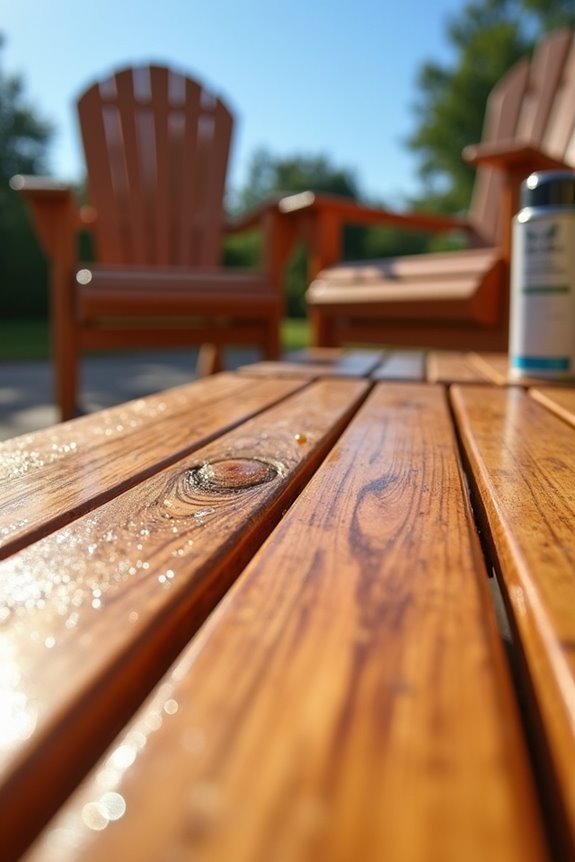
Every year, I’d watch my deck furniture fade a little more, wondering why last year’s seal wasn’t holding up—until I realized that annual resealing isn’t just maintenance, it’s the difference between furniture that lasts a decade and furniture that doesn’t make it past three seasons.
Why Annual Resealing Matters
UV filtering and moisture protection deteriorate over time. Rain, sun, and temperature swings break down your protective sealant, leaving wood vulnerable to rot and discoloration. I’ve learned that resealing annually keeps your outdoor wood furniture looking fresh and structurally sound.
The Right Approach
Use the same sealer type each year—consistency prevents chemical reactions. Between applications, lightly sand with 400-grit paper for better adhesion. Follow drying times carefully, wipe excess pooled oil, and allow proper curing before weather exposure. You’re investing in durability that protects what matters.
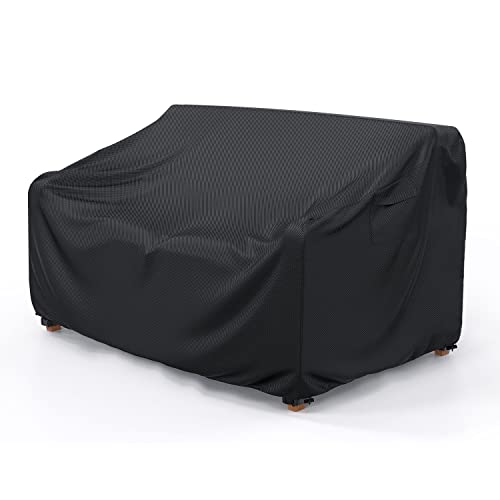
Proper Size: We have multiple sizes for you to choose. This outdoor sofa cover fits up to 60" L×34" D×30" H. Please kindly measure your patio sofa before purchasing and it’s better to choose the cover 1-2 inch larger than your sofa.
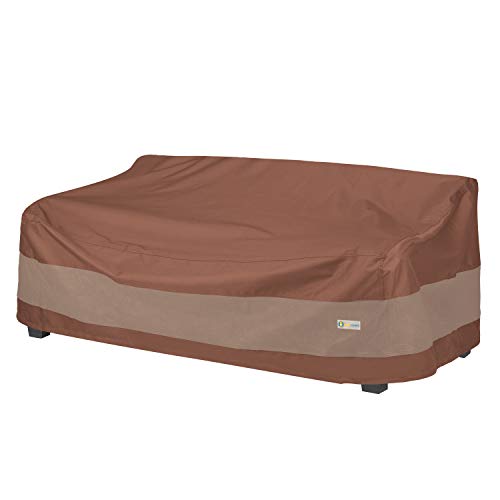

【Kipiea Outdoor Furniture Covers】 Would you like to protect your precious patio furniture from the elements with a high-quality cover? Kipiea patio furniture covers feature a double-layer PU waterproof coating on higher-density 420D fabric and quality waterproof tape at the seams to ensure the cover withstands up to 200,000 PA of water pressure and keeps your furniture dry even after years of use
Bring Furniture Inside (or Cover It) During Winter
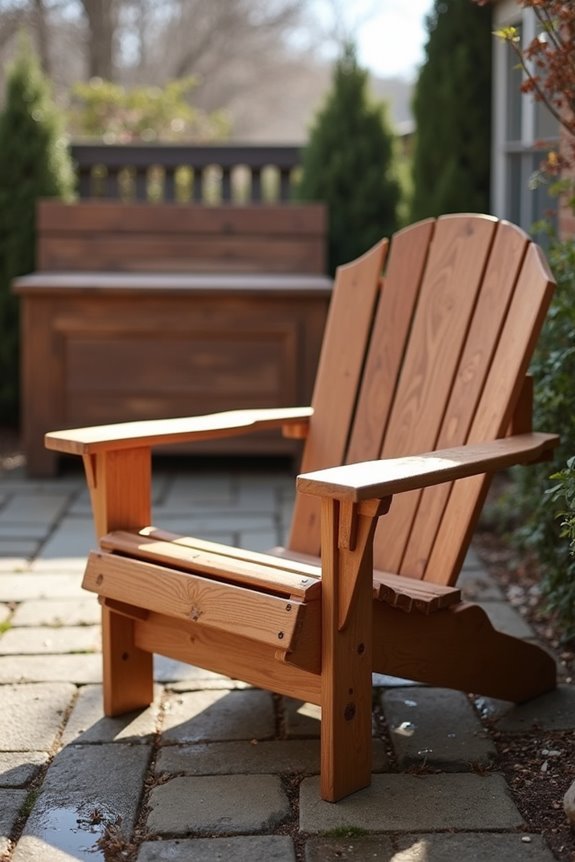
When winter arrives, I’ve learned that the best protection for my wooden furniture is moving it indoors or into a covered space where freezing temperatures and moisture can’t damage the wood. If indoor storage isn’t possible for you, I use snug-fitting weatherproof covers paired with elevation off the ground—this combination keeps snow and rain from settling directly on the furniture and causing rot. Either way, the key is removing that seasonal exposure before the cold months take their toll.

PROTECT WOOD SURFACES – Minwax Polycrylic Protective Finish protects and adds beauty to your interior wood projects, including woodwork, furniture, doors and cabinets. The clear top coat protects against scratches, spills, dirt and more.
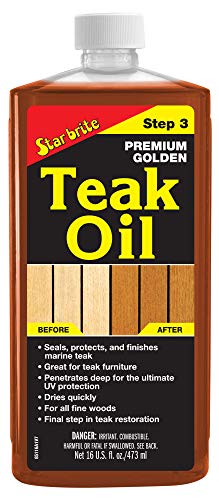
Advanced tung oil polymers provide maximum protection for teak and other fine woods

Waterproofs & Seals Softwood Timber – Advanced silicone wood sealer penetrates deeply to create a durable waterproof wood protection barrier, ideal for pressure treated wood, pine, fencing, decking, and outdoor lumber
Indoor Storage Solutions
Because winter’s freezing temperatures and moisture create the perfect conditions for cracking and rot, storing your outdoor wood furniture indoors is one of the smartest moves you can make. Thoughtful indoor storage keeps my pieces looking fresh year after year.
Here’s how I approach it:
- Clean thoroughly before storing to remove dirt, mildew, and oils that trap moisture
- Apply protective sealant or oil as a moisture barrier against humidity
- Keep furniture completely dry before covering or storing to prevent mold growth
- Use breathable covers if you must store in garages or basements, allowing air circulation
- Position pieces off the floor on blocks to maintain air circulation and prevent damage
Protective Cover Options
If you can’t bring your furniture inside—maybe your garage is already packed or you’re renting a place without storage—a good cover becomes your next best defense. I’ve learned that not all outdoor furniture covers are created equal.
What Makes a Cover Work
You’ll want weatherproof, breathable covers that shield against rain, sun, and dirt without trapping moisture underneath. Vented covers allow condensation to escape while preventing mold buildup during winter. Before covering anything, I always make sure surfaces are clean and dry—otherwise you’re just sealing in dirt and mildew.
Getting the Right Fit
Dimension compatibility matters more than you’d think. Measure your benches, chairs, and tables carefully, then match those numbers to the cover’s specifications. A cover that shifts or sags won’t protect properly. Keep a quick-reference list handy for future shopping.
Inspect and Refresh Sealed Surfaces Year-Round
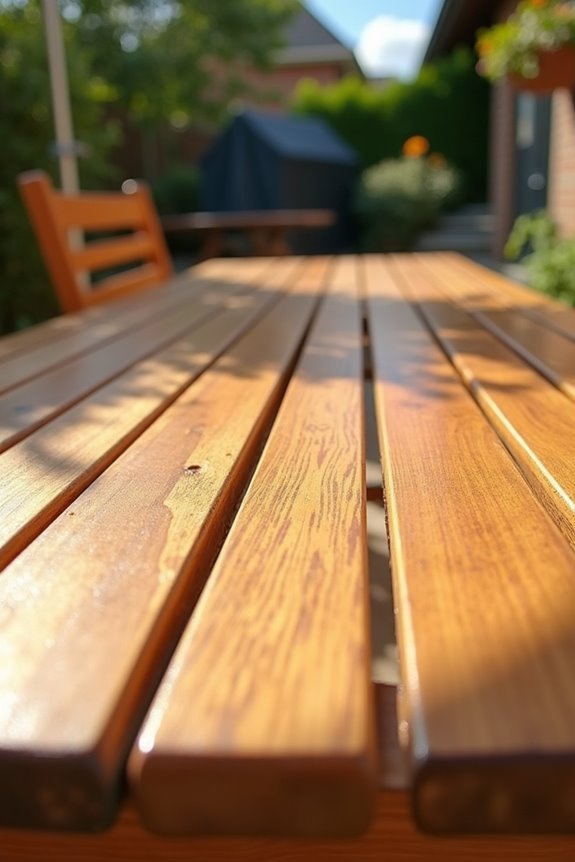
How often do you actually look closely at your outdoor wood furniture? I’ll admit—I used to skip this step entirely. But inspecting and refreshing sealed surfaces year-round is the difference between furniture that lasts and furniture that deteriorates.
Here’s what I’ve learned to watch for:
- Mildew, dirt, and oil buildup that compromise sealant adhesion
- Peeling or flaking spots indicating worn protection
- UV damage showing as discoloration or dullness
- Moisture penetration from compromised barriers
Annual resealing keeps your investment protected. I clean thoroughly, lightly sand with 400-grit paper to open grain, then wipe away dust with a tacky cloth. When applying fresh sealant, I stir well and apply evenly, wiping pooled oil immediately. Temperature between 60–80°F matters too. This routine makes maintenance manageable—and your outdoor wood furniture stays weather-resistant.

SUPERIOR BLEND OF LINSEED OIL & BEESWAX: Tried and True wood finish is a superior blend of linseed oil and beeswax. This time-tested combination of oil and wax provides a warm soft appearance and adds protection against water, liquids and daily use.
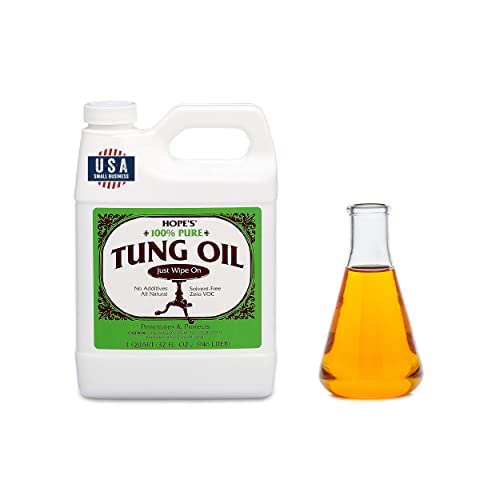
Easy to Use - Tung oil is a natural oil recognized by craftsmen to offer the ultimate hand-rubbed finish for all fine woods; just wipe on and allow the oil to cure at room temperature
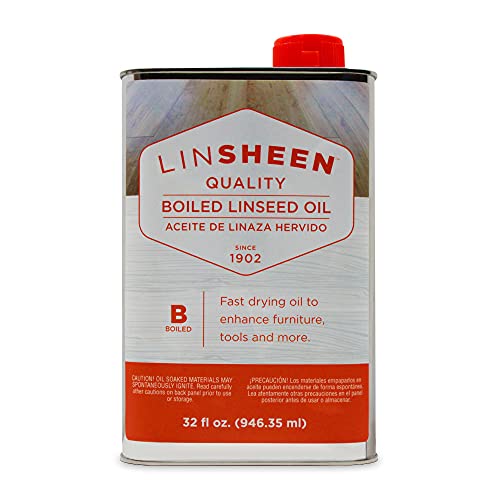
CLEAR WOOD FINISH - Boiled Linseed wood refinishing oil absorbs into the wood's grain, enhancing the natural color and the texture of the grain