
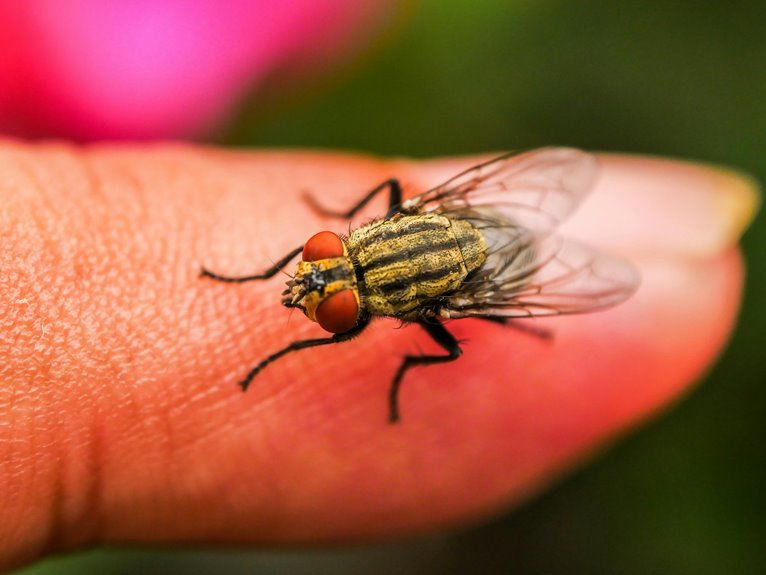
Fruit flies thrive in your bathroom because drains harbor decomposing food, hair, and grease—creating humid breeding grounds where they reproduce every 8–10 days.
These tan insects with red eyes enter through drain openings and lay eggs in biofilm buildup.
Stop them fast: run hot water thirty seconds after each use, install drain strainers, and clean stoppers weekly.
For immediate relief, try an apple cider vinegar trap with dish soap.
If flies persist beyond two weeks, you’ll want to explore what’s hiding deeper in your pipes.
Identify Fruit Flies by Size and Behavior
Identify Fruit Flies by Size and Behavior
What to Look For
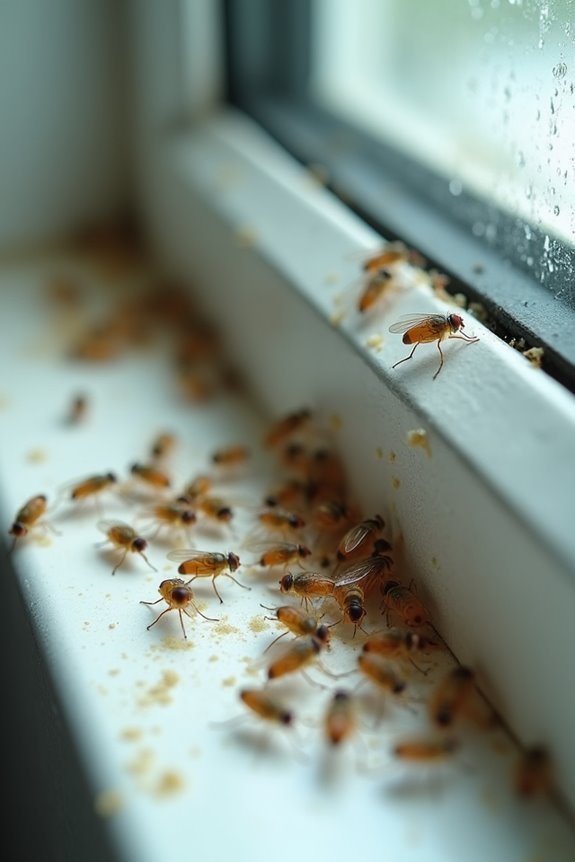
Fruit flies are remarkably small—about 1/8 inch long, roughly the size of a sesame seed. They’re tan-colored with distinctive red eyes that make them easy to identify once you know what to spot. You’ll notice they move erratically, darting around in quick, unpredictable patterns near damp areas.
Fruit flies measure about 1/8 inch with distinctive red eyes and move erratically in quick, unpredictable patterns near damp areas.
Their Behavior Pattern
These insects aren’t random visitors. They’re drawn to moisture and organic matter, hovering near drains and damp corners where soap scum and hair accumulate. If you’re seeing them repeatedly in your bathroom, they’re likely breeding nearby rather than just passing through.

Highly Effective & Reliable Fruit Fly Catcher: This fruit fly trap is expertly engineered to stop fruit flies where they hover most—kitchen counters, trash bins, and near fruit. See results in just 24 hours!

Catch Flying Insects 24/7: This plug-in flying insect trap uses blue and UV light to attract and catch house flies, fruit flies, gnats, and flying pests. Its continuous attraction helps catch insects day and night for everyday indoor flying pest control.

Catch Flying Insects 24/7: This plug-in flying insect trap uses blue and UV light to attract and catch house flies, fruit flies, gnats, and flying pests. Its continuous attraction helps catch insects day and night for everyday indoor flying pest control.
How Fruit Flies Get Into Your Bathroom
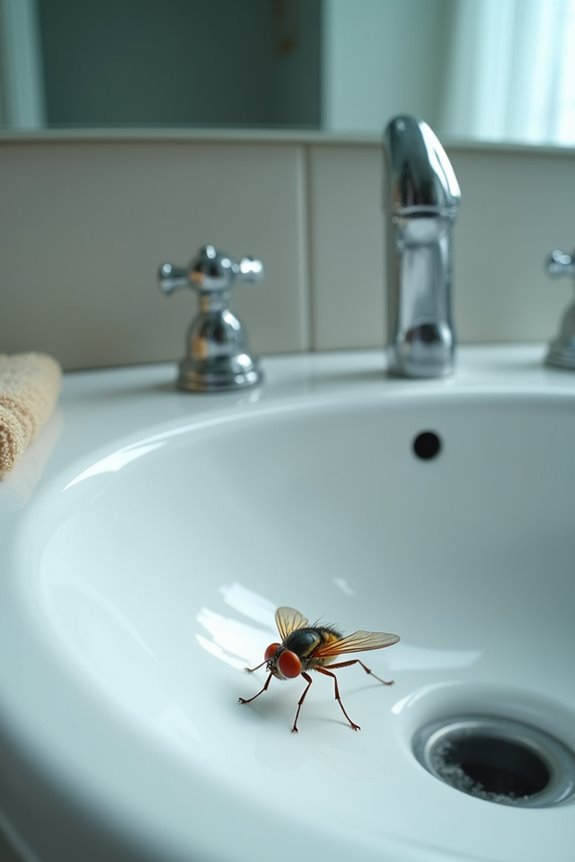
You might not realize it, but your bathroom’s drains are like an open invitation to fruit flies—they’re attracted to the decomposing food particles, grease, and organic buildup that accumulate inside. The moisture in your bathroom, combined with the warmth of your home, creates an ideal environment for these tiny insects to enter through drain openings and settle in damp areas around sinks and pipes. If you’ve noticed slow drainage or standing water, that’s a breeding ground where fruit flies can multiply rapidly, making the problem worse the longer you ignore it.

Effective Fruit Fly Trap Solution: The Fly Away Fruit Fly Liquid Lure is highly effective in attracting and trapping fruit flies, ensuring your kitchen and home remain free of these pesky insects.

Fruit Fly Trap Refill Liquid: this fruit fly trap refill easily attracts all major types of fruit flies and can be placed anywhere to keep those pesky fruit flies away from your home and kitchen; It is compatible with most fruit fly trap and works in any open style container, such as a small bowl or ramekin; Use this fruit fly trap refill for a "no more flies" home

Fruit Fly Trap Refill Liquid: this fruit fly trap refill easily attracts all major types of fruit flies and can be placed anywhere to keep those pesky fruit flies away from your home and kitchen; It is compatible with most fruit fly trap and works in any open style container, such as a small bowl or ramekin; Use this fruit fly trap refill for a "no more flies" home
Drain Entry Points And Access
Ever wonder why fruit flies seem to materialize in your bathroom despite there being no fruit in sight?
Your drain entry points are the culprits. Fruit flies navigate through bathroom drains where decomposing organic matter and grease residues create ideal breeding zones. They’re attracted to:
- Soap scum buildup
- Hair accumulation
- Biofilm layers
Tennessee’s warm, humid conditions accelerate their reproduction cycles dramatically. These tiny invaders exploit drain openings as highways into your space, establishing colonies within days.
The problem compounds when you pour grease down drains or leave disposal blades uncleaned. These fermentation sources fuel population explosions. Running hot water for 30 seconds after each use and installing strainers significantly reduces access. If your drains smell or drain slowly, you’ve likely got a serious issue requiring professional intervention to eliminate fruit fly entry points.
Moisture Attraction In Bathrooms
Why do fruit flies gravitate toward bathrooms when there’s no food lying around? The answer lies in moisture—your bathroom’s humid environment attracts these pests consistently.
Here’s what makes bathrooms irresistible:
- Standing water in sinks and tubs creates persistent moisture that sustains populations between feeding events
- Drain biofilm—that slimy buildup inside pipes—harbors decomposing particles and provides ideal breeding grounds
- High humidity from showers and baths maintains the damp conditions fruit flies crave year-round
Your warm bathroom accelerates their life cycles, allowing colonies to grow quickly. Slow-draining water compounds the problem, leaving stagnant pools where flies lay eggs. Even bathroom surfaces collect invisible organic residues that attract these persistent pests.
The moisture problem isn’t obvious until you realize fruit flies don’t need a fruit bowl—they need dampness and decomposition.
Why Your Bathroom Is a Fruit Fly Magnet
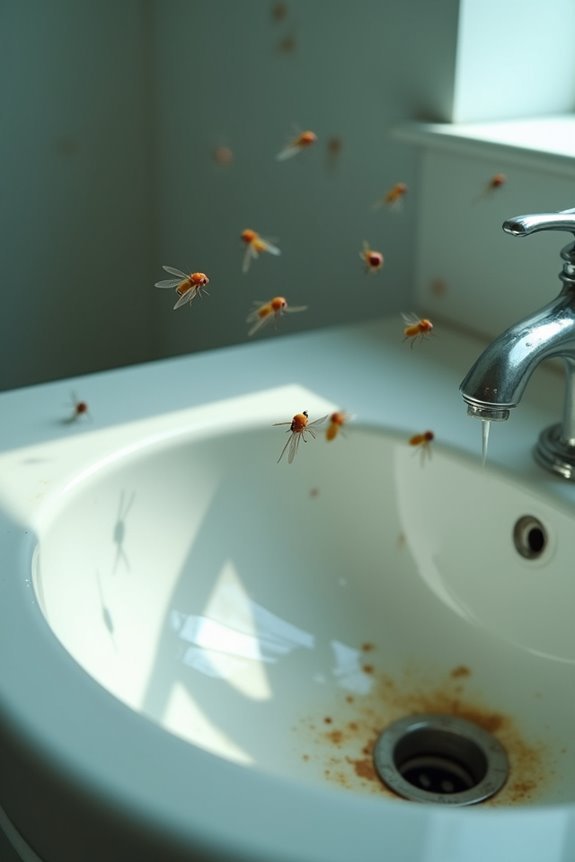
Your bathroom’s warm, humid environment creates the perfect conditions for fruit flies to thrive, and I’ve found that the culprits are often the moisture and organic matter lurking in places you don’t always think about—like soap scum, hair, and decomposing residues that accumulate on surfaces. The real problem intensifies in your drains, where standing water, biofilm buildup, and decomposing matter concentrate all the attractants fruit flies need to lay their eggs and multiply rapidly. Understanding these two interconnected issues is key because they’re what make your bathroom a full-blown fruit fly breeding operation.
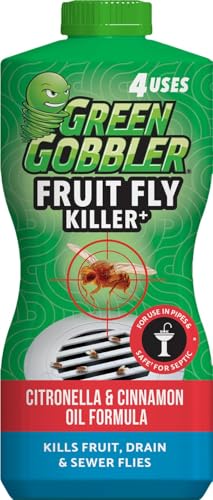
KILL FRUIT, DRAIN & SEWER FLIES: Get rid of the fly infestation and get back to enjoying your space. Green Gobbler's thick gel formula clings to pipes to eliminate annoying drain fly infestations. It kills fruit flies, drain flies and sewer flies.

KILL FRUIT, DRAIN & SEWER FLIES: Get rid of the fly infestation and get back to enjoying your space. Green Gobbler's thick gel formula clings to pipes to eliminate annoying drain fly infestations. It kills fruit flies, drain flies and sewer flies.
A Natural Fruit Fly Solution: Our non-toxic gel formula is safe for use around food and anywhere in the home, kitchen, bar, or restaurant.
Moisture And Organic Matter
Within the warm, damp confines of your bathroom lives an environment that fruit flies find absolutely irresistible. I’ve noticed that bathrooms create the perfect breeding ground because they’re naturally moist and packed with organic matter—the stuff fruit flies crave.
Here’s what’s happening in your space:
- Standing water collects on soap dishes, shower floors, and around faucets, providing hydration fruit flies need
- Organic debris like hair, soap scum, and food particles accumulate in drains, fueling larval development
- Warm temperatures speed up breeding cycles, especially when combined with humidity
Your drains deserve special attention since they concentrate all these attractants. The moisture, warmth, and decomposing matter create fermentation processes that draw fruit flies like magnets. Understanding this combination helps you tackle the real problem—not just the flies themselves, but the conditions enabling them.
Drain Conditions And Attractants
How do drains become fruit fly factories? Your bathroom drains are basically all-you-can-eat buffets for fruit flies. Hair, soap scum, grease, and decomposing food particles accumulate in those pipes, creating the perfect breeding ground. Tennessee’s warm climate—combined with your heated indoor spaces—speeds up their reproduction dramatically.
Simple preventive steps include:
- Running hot water for 30 seconds after each use
- Using drain strainers to catch debris
- Cleaning stoppers regularly to remove buildup
- Avoiding grease down drains
These actions reduce attractants substantially. If you’re noticing slow drains, odors, or gurgling sounds, or if fruit flies persist beyond two weeks despite your efforts, you might need professional drainage help. Sometimes the problem runs deeper than simple maintenance can fix.
Health Risks Fruit Flies Pose to Your Family
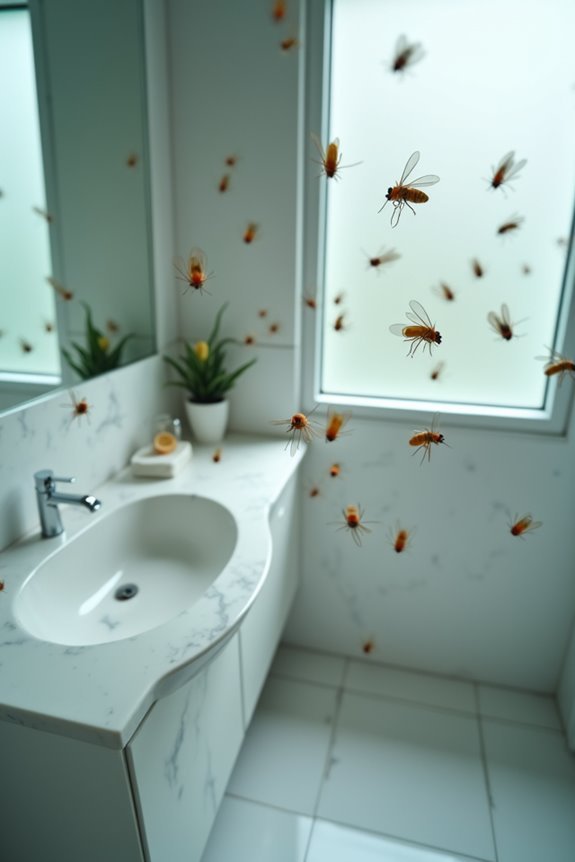
When fruit flies congregate in your bathroom, they’re doing more than just annoying you—they’re potentially ferrying dangerous bacteria into your home. I understand the concern, especially when you’re preparing meals for your family.
Here’s what worries me most:
- Bacterial transmission – Fruit flies carry E. coli and Salmonella, spreading contamination across kitchen surfaces during food prep
- Cross-contamination pathways – They transfer pathogens between bathroom drains and food areas, increasing illness risk
- Rapid population growth – Their 8–10 day life cycle means infestations spread quickly, extending your family’s exposure window
The bacteria thrives in decaying organic matter within drains, creating persistent breeding sites. Direct contact with fruit flies or contaminated surfaces poses real health threats. That’s why thorough cleaning and sanitation aren’t optional—they’re necessary protective measures for everyone you care about.

ELIMINATES CLOGS FAST: Our powerful shower drain clog remover dissolves hair & soap scum in as little as 30 minutes.

ELIMINATES CLOGS FAST: Our powerful shower drain clog remover dissolves hair & soap scum in as little as 30 minutes.
DRAIN CLOG REMOVER: Liquid-Plumr Hair Clog Eliminator is specially formulated for hair clogs, the most common reason for clogs in your drain
Fruit Flies vs. Drain Flies: How to Tell Them Apart
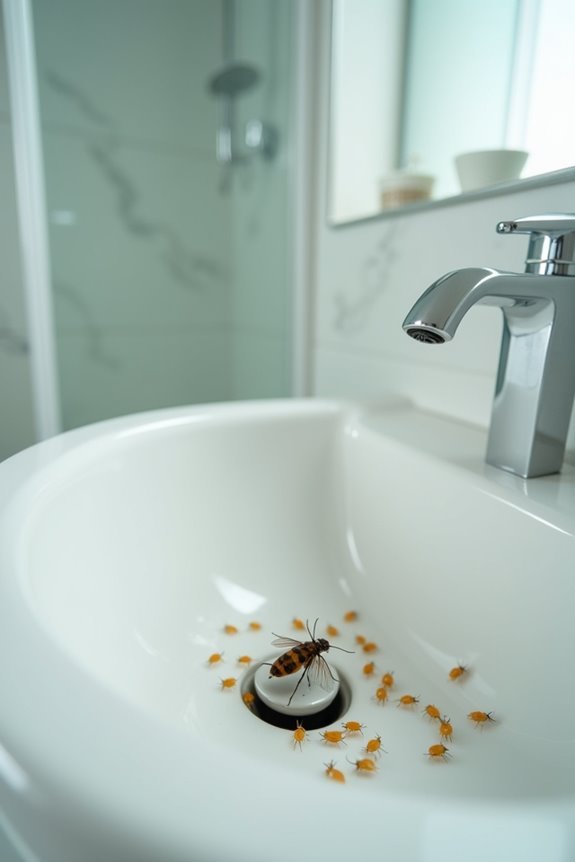
I’ve realized that figuring out which tiny pest is invading your bathroom is half the battle—so let me help you identify whether you’re dealing with fruit flies or their drain-dwelling cousins, drain flies. We’ll look at the physical traits that set them apart, explore where each type actually lives and reproduces, and then I’ll show you the trapping and control methods that work for each one. Getting this identification right means you’ll spend your time and effort on solutions that’ll actually eliminate your specific problem.

MULTIPLE BENEFITS – Extend the lifetime of your water heater, improve its efficiency, reduce your energy bill, and increase your hot water supply. This tool pays for itself in one use!


Start Fresh with FROG: Jet cleaner cleaning gel protects against cloudy water, clogged filters, scum lines and endless maintenance; give your hot tub or swim spa a fresh start so it feels and performs like new
Physical Characteristics And Identification
Mistaken identity—it’s probably the most common problem when you’re trying to figure out what’s actually flying around your bathroom. I’ve been there, staring at a tiny insect and wondering if I’m dealing with fruit flies or something else entirely. Here’s what I’ve learned helps distinguish them:
- Size and appearance: Fruit flies measure about 1/8 inch long with distinctive red eyes and tan bodies, while drain flies appear smaller, moth-like, with fuzzy bodies and wings
- Behavior patterns: I notice fruit flies hovering near fermenting produce, whereas drain flies cling to walls near moisture sources
- Location clues: Fruit flies congregate around kitchen areas; drain flies prefer bathroom drains and pipes
Recognizing these differences improves your identification confidence and guides your elimination strategy effectively.
Habitat Preferences And Breeding Sites
Now that you can spot the difference between fruit flies and drain flies, understanding where they actually live and breed makes eliminating them way easier.
I’ve learned that fruit flies gravitate toward your kitchen sink and bathroom counters, particularly near overripe fruit and fermenting liquids. They’re drawn to the sugary environments where decomposition happens. Drain flies, however, prefer the darker, damper spaces inside your pipes where organic debris accumulates.
Tennessee’s warm humidity creates ideal breeding conditions year-round. Standing water mixed with grease, hair, and food particles in your drains becomes a reproduction paradise for drain flies. Your kitchen sink strainer and shower drain are prime suspects.
Here’s what I discovered: simple drain maintenance—hot water flushes and regular stopper cleaning—significantly reduces habitat suitability. This single step slows population growth considerably before infestations develop.
Effective Trapping And Control Methods
How do you actually get rid of these tiny invaders once you’ve identified which type you’re dealing with?
I’ve found that trapping works best when you match your method to your pest. Here’s what I recommend:
- Apple cider vinegar trap – Mix equal parts vinegar and dish soap in a shallow bowl near problem areas; the soap breaks surface tension, drowning flies on contact
- Commercial traps – Terro or Zevo products target fruit flies effectively around sinks and trash zones
- Drain treatment – If you’re battling drain flies instead, flush hot water weekly and clean stoppers thoroughly
The key difference matters: fruit flies cluster around fermenting produce with their distinctive red eyes, while drain flies breed directly in pipes. Once you’ve trapped visible flies, focus on eliminating breeding sites through regular drain maintenance and sanitation to prevent reinfestation.
Why Your Drains Attract Fruit Flies
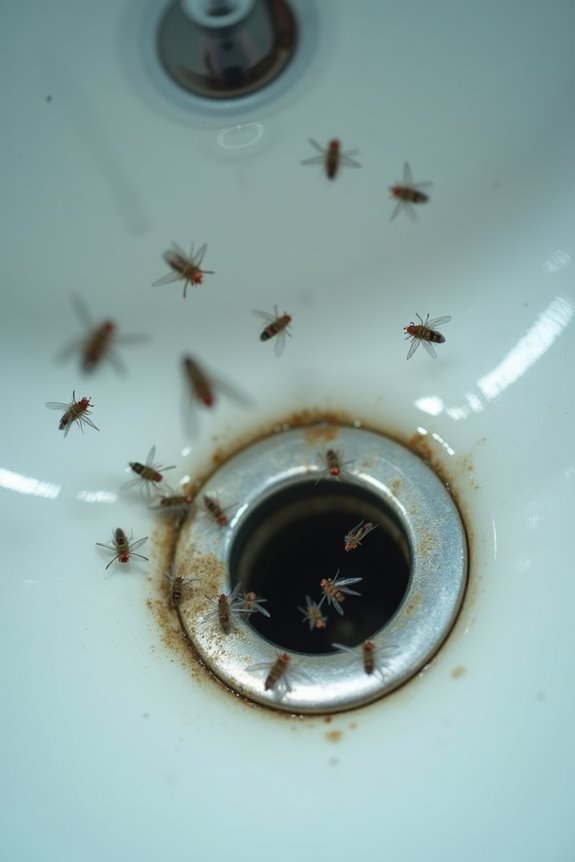
Ever wondered why those tiny flies seem to materialize from your bathroom sink? Your drains are basically fruit fly hotels. Decomposing food particles, grease, hair, and biofilm create perfect breeding grounds in your pipes. Tennessee’s warm, humid climate makes this worse—it speeds up fermentation and reproduction cycles.
| What Accumulates | Why It Matters | Impact |
|---|---|---|
| Food particles | Nutrient source | Rapid fly population growth |
| Grease residue | Microbial growth | Extended breeding habitat |
| Hair and soap scum | Stagnant water pockets | Larval development zones |
Your drains function as a microscopic ecosystem where fruit flies thrive. Understanding this helps you fight back effectively.

Upgrade Fruit Fly Traps: LFSYS plug-in fly trap now feature 10 high-quality lamp bulbs with dual wavelengths of 365nm and 395nm. This advanced lighting technology allows the capture rate of various flying insects, including fungus gnats, fruit flies, and moths.

Catch Flying Insects 24/7: This plug-in flying insect trap uses blue and UV light to attract and catch house flies, fruit flies, gnats, and flying pests. Its continuous attraction helps catch insects day and night for everyday indoor flying pest control.

Fruit Fly Control: Fly-Zyme's powerful enzyme formula targets and eliminates the root cause of drain and fruit flies by digesting food remnant buildup and preventing fly breeding in your drains, providing a cleaner and healthier environment
Step 1: Eliminate Bathroom Fruit Fly Breeding Sites
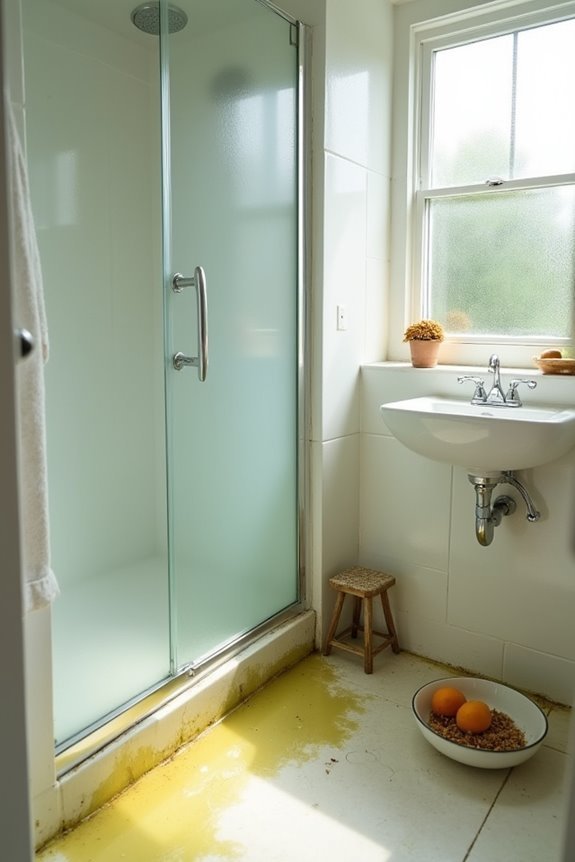
Since fruit flies need specific conditions to multiply, you’ll want to remove the exact environments where they’re thriving.
Fruit flies thrive in specific conditions—remove their preferred environments and you eliminate the infestation at its source.
I’ve found that targeting three key areas makes a real difference:
- Clean your drain thoroughly – Pour hot water down it daily, then scrub the stopper with an old toothbrush to eliminate organic buildup where larvae develop.
- Wipe down all surfaces – Remove soap scum, hair, and moisture from sinks and counters where flies feed and rest.
- Eliminate standing water – Fix slow drains immediately and don’t leave damp sponges sitting around.
These steps disrupt the humid breeding ground fruit flies love. You’re taking away their home and food supply simultaneously. Once you’ve cleaned thoroughly, maintaining these habits prevents reinfestation from taking hold again.

【All-Target Attraction】Tired of fruit flies invading your home? Our fruit fly trap refill liquid is engineered to attract all major types of fruit flies, with a powerful yet safe fruit fly trap bait. Simply place the fruit fly trap refill liquid only near fruits, sinks, or trash bins, and watch it effectively lure and trap pests. Why keep swatting when you can eliminate them effortlessly? This gnat killer indoor solution works continuously, so your home stays protected without chemicals or mess.
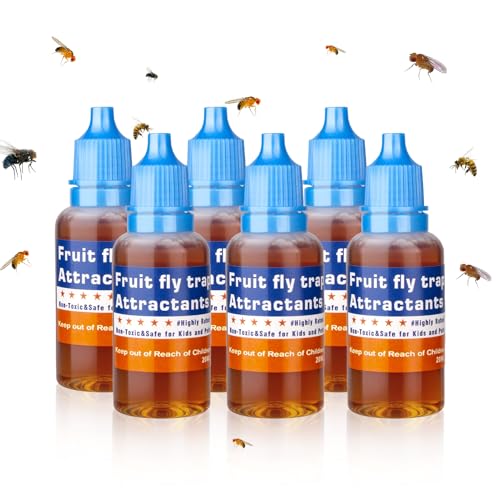
【All-Target Attraction】Tired of fruit flies invading your home? Our fruit fly trap refill liquid is engineered to attract all major types of fruit flies, with a powerful yet safe fruit fly trap bait. Simply place the fruit fly trap refill liquid only near fruits, sinks, or trash bins, and watch it effectively lure and trap pests. Why keep swatting when you can eliminate them effortlessly? This gnat killer indoor solution works continuously, so your home stays protected without chemicals or mess.

Fruit Fly Trap Refill Liquid: this fruit fly trap refill easily attracts all major types of fruit flies and can be placed anywhere to keep those pesky fruit flies away from your home and kitchen; It is compatible with most fruit fly trap and works in any open style container, such as a small bowl or ramekin; Use this fruit fly trap refill for a "no more flies" home
Step 2: Deep Clean and Sanitize Your Drains
Step 2: Deep Clean and Sanitize Your Drains
What’s lurking in your drain right now? Probably grease, food particles, and hair—basically a fruit fly buffet. Deep cleaning drains is necessary if you’re serious about stopping these pests.
Your Action Plan:
Start by flushing drains with hot water for 30 seconds after each use. This removes residue before it becomes a breeding ground. Next, install drain strainers to catch organic matter before it settles inside.
Weekly, clean your stoppers thoroughly—they harbor biofilm and eggs that restart the fruit fly cycle. For deeper cleaning, flush drains periodically with vinegar or enzyme solutions. These preventive measures keep drains substantially less inviting to breeding fruit flies.
This multifaceted approach turns your pipes into an inhospitable environment for pests.

A Natural Fruit Fly Solution: Our non-toxic gel formula is safe for use around food and anywhere in the home, kitchen, bar, or restaurant.

Drain Flies, Sewer Flies, Gnats, or Fruit Flies, any flies that live and breed in drains, pipes, or garbage disposals will be evicated by our all-natural formula; And it's safe for use in any plumbing

【Kitchen Sink Accessories】2 pack kitchen sink drain stopper silicone to solve sink water storage problems, can hold water with not leaking, and 2 pack stainless steel sink strainers for kitchen sink to capture food scraps, effectively prevent sewer blockages, they make great kitchen sink gadgets.
Step 3: Set Up DIY Traps Using Apple Cider Vinegar or Wine
You’ve cleaned your drains thoroughly—good work—but fruit flies that’re already flying around your bathroom need to go, and that’s where traps come in. I’ll share three effective DIY methods that work well:
- Bowl with soap: Pour apple cider vinegar into a shallow bowl, add a drop of dish soap to break the surface tension, and watch flies sink in.
- Plastic wrap trap: Cover the same vinegar mixture with plastic wrap, poke tiny holes, and let the scent lure them inside where they can’t escape.
- Funnel jar: Fill a glass jar with apple cider vinegar and insert a paper funnel—flies enter easily but struggle finding their way out.
Replace these traps every few days and position multiple ones near your sink and trash. You’re breaking the cycle.

DRAIN CLOG REMOVER: This Liquid-Plumr Pro-Strength Clog Destroyer Gel is fortified with 3X action to protect, prevent and destroy clogs; Packaging may vary

TRUSTED BRAND: Drano has been used and trusted for generations. Avoid spending money on a plumber, and use Drano once a month for drain maintenance and clog prevention.

SAFE ON PIPES: Drain cleaner that's safe for use on all pipes; great for drains and sinks. Formulated with only essential ingredients needed to break down clogs, this liquid Drano is non-corrosive to pipes and has no harsh smell.
Step 4: Try Commercial Traps and UV Light Solutions
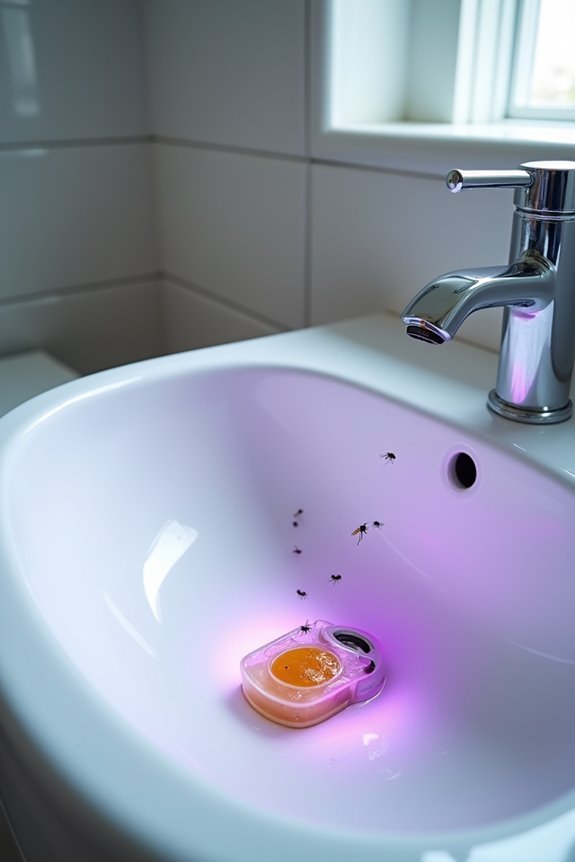
Step 4: Try Commercial Traps and UV Light Solutions
If your DIY traps are working but you’re still spotting flies after a week or two, commercial traps might be the speedier route.
Ready-Made Solutions That Work
Commercial traps like Terro and Zevo units outperform homemade versions because they’re specifically engineered to attract and capture fruit flies. Terro traps claim up to 45 days of effectiveness when placed near sinks and trash areas. Zevo offers UV light technology paired with sticky surfaces, plus larger units you can position centrally to monitor your entire home.
Commercial traps like Terro and Zevo outperform DIY versions with engineered attraction technology and strategic placement options.
Maximize Your Results
Using multiple traps simultaneously accelerates population reduction significantly. Place them strategically throughout problem zones. Refresh attractants regularly and dispose of captured flies promptly—this prevents larvae from developing in hidden spots and keeps your traps performing at peak efficiency.

VERSATILE CLEANING FOR MULTIPLE SURFACES & SHAPES Designed to handle a wide range of cleaning tasks, the Pipe Perfect Original Set makes it easy to clean different shapes, openings, and components with one complete kit.

67 inch length Stainless Steel, flexible and durable, cleaning tubes, very convenient/easily to across the U bend

Pure Water Dedicated Outlet: 3-in-1 design saves space, keeps your countertop clutter-free, and delivers efficient convenience for modern living. Our product does not include a water purification system. If needed, you may purchase a separate water purification device to connect to the faucet.
Bathroom Habits That Prevent Fruit Flies
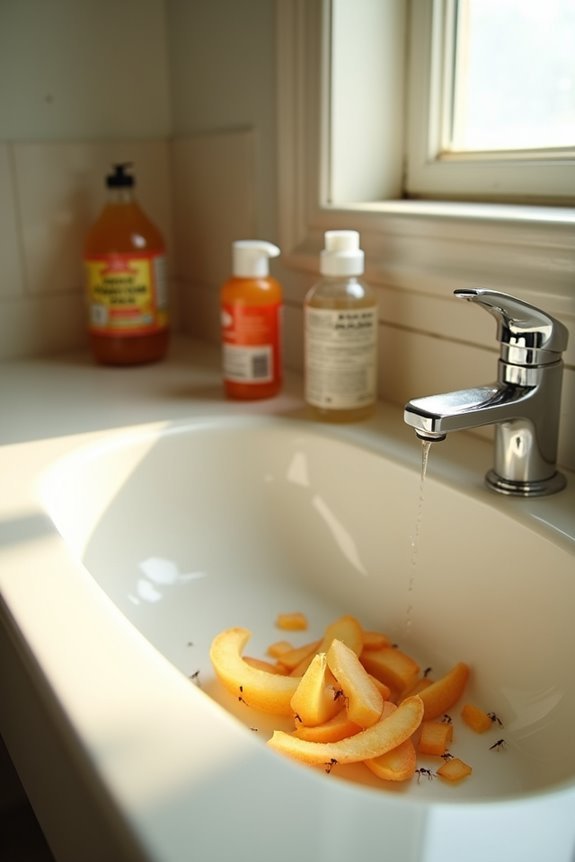
How much of your fruit fly problem actually starts in the bathroom? I’ve realized that my daily routines either invite these pests or shut them out entirely. The key is consistency—small habits compound into real protection.
I’ve found three practices make the biggest difference:
- Wipe surfaces weekly to remove soap residue, hair, and moisture that fuel breeding
- Clean bathroom drains monthly using hot water and vinegar to eliminate decomposing organic matter
- Fix leaks promptly so standing water doesn’t create humid havens
I’ve also started using drain strainers and avoiding pouring grease down pipes. These aren’t glamorous tasks, but they’ve eliminated my bathroom as a fruit fly breeding ground. You’ll notice results within weeks when you commit to these habits.
When Professional Drain Cleaning Stops Fruit Flies
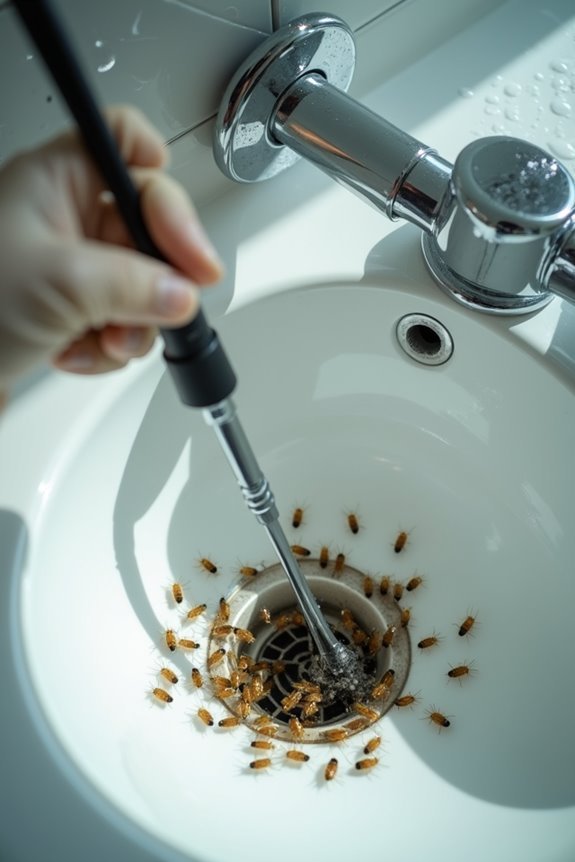
Those weekly wipe-downs and monthly vinegar flushes work great for surface-level prevention, but sometimes fruit flies won’t quit because the real problem lurks deeper in your plumbing.
Professional drain cleaning addresses what DIY efforts miss. When your drains slow down or emit odors, professionals use video inspections to locate hidden clogs harboring egg-laden residues and biofilm—the exact breeding grounds fruit flies love. They remove organic matter thoroughly, cleaning disposal blades and pipe interiors beyond what you can reach.
Call professionals when fruit flies persist beyond two weeks despite basic maintenance. They eliminate ongoing moisture sources and organic buildup fueling fly populations. Quick action prevents water damage and extended infestations, giving you relief when the problem exceeds your control.
Quick Action Plan to Eliminate Bathroom Fruit Flies
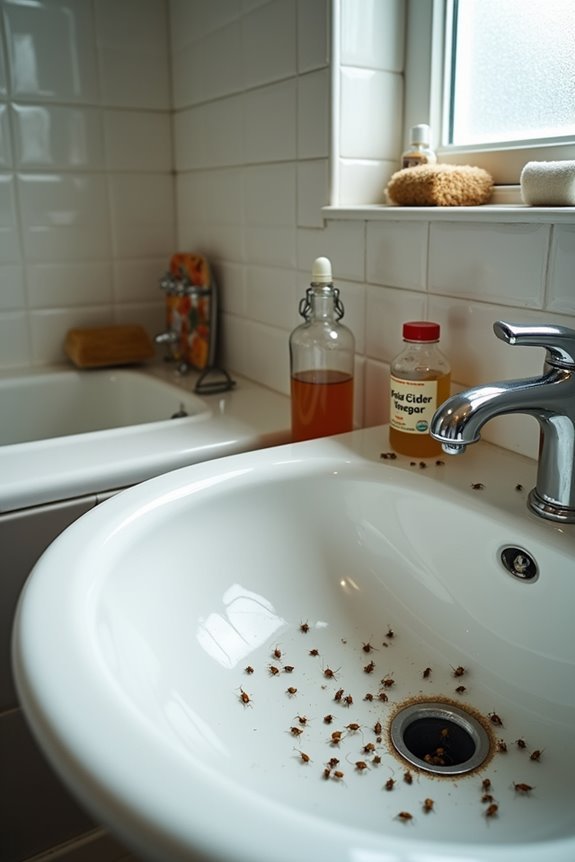
When fruit flies have already set up camp in your bathroom, waiting around isn’t an option—you’ve got to act fast. I’ll walk you through what actually works.
- Run hot water for 30 seconds after each use to flush away organic debris that attracts eggs and larvae in your drain
- Install drain strainers to catch hair and soap scum before they accumulate
- Clean stoppers weekly by removing buildup that feeds reproduction cycles
Next, pour vinegar or drain-clearing products down pipes to coat them and reduce residues. Dry standing water immediately and seal your trash can. These steps interrupt the breeding cycle quickly. If problems persist beyond two weeks or multiple drains stay slow, you’ll need professional inspection to identify hidden clogs or structural issues.